

Thank you! Your submission has been received!
Oops! Something went wrong while submitting the form.
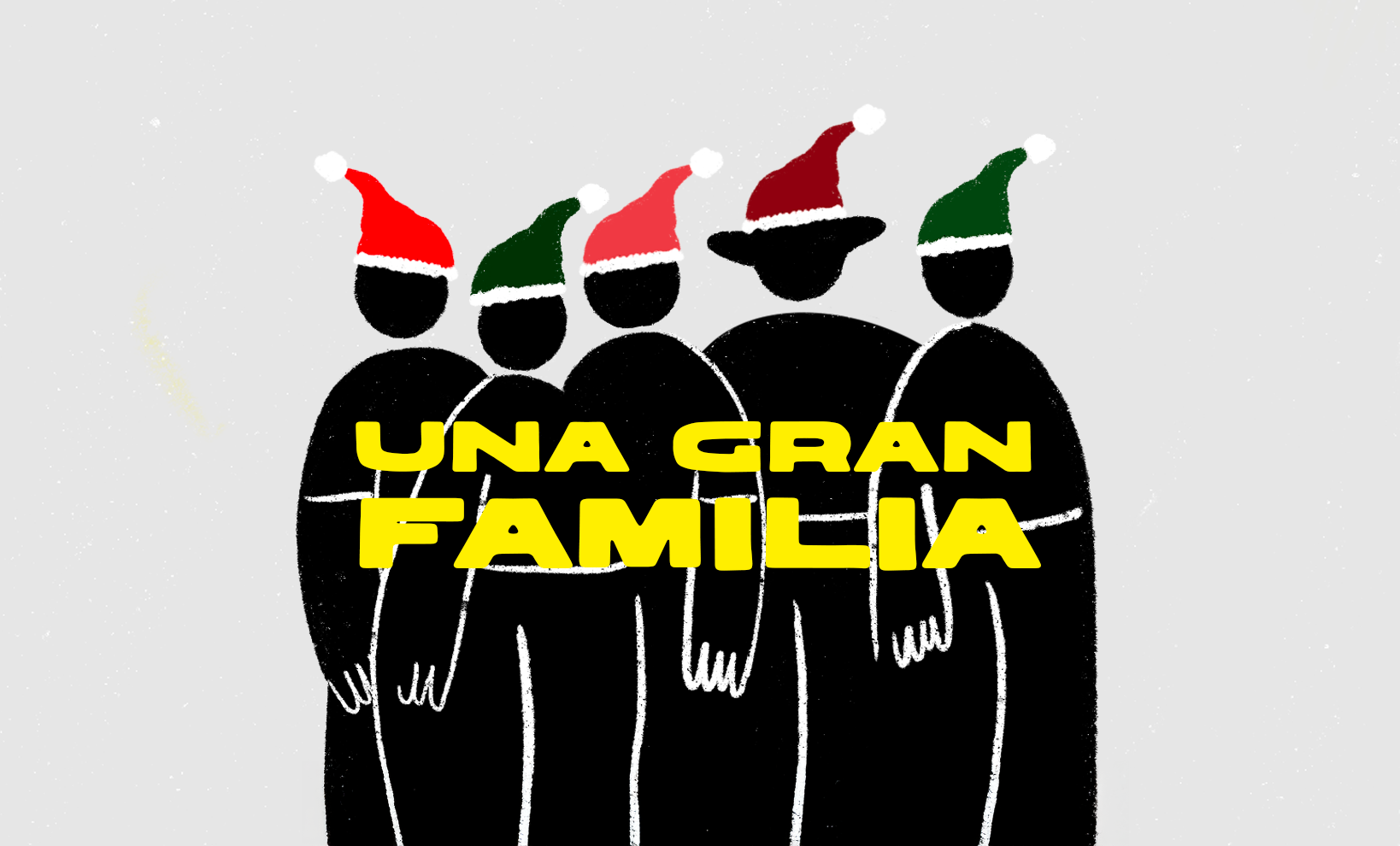
Unity is a term that deeply defines the world of agave spirits, where nature and humanity are intertwined. Mezcal signifies community and social bonds, as it is shared in celebrations and rituals. It also embodies a spiritual unity with nature, with some rituals including an offering of the first drink to the earth.
There are profound ties that link producers with their ancestors through generational knowledge and practices, their peers through cooperative work, and a growing global community of consumers through a united passion for artisanal spirits.
When I began documenting agave spirits, what stood out most clearly was how integrated the process was with community, guided by empirical knowledge passed down through families.
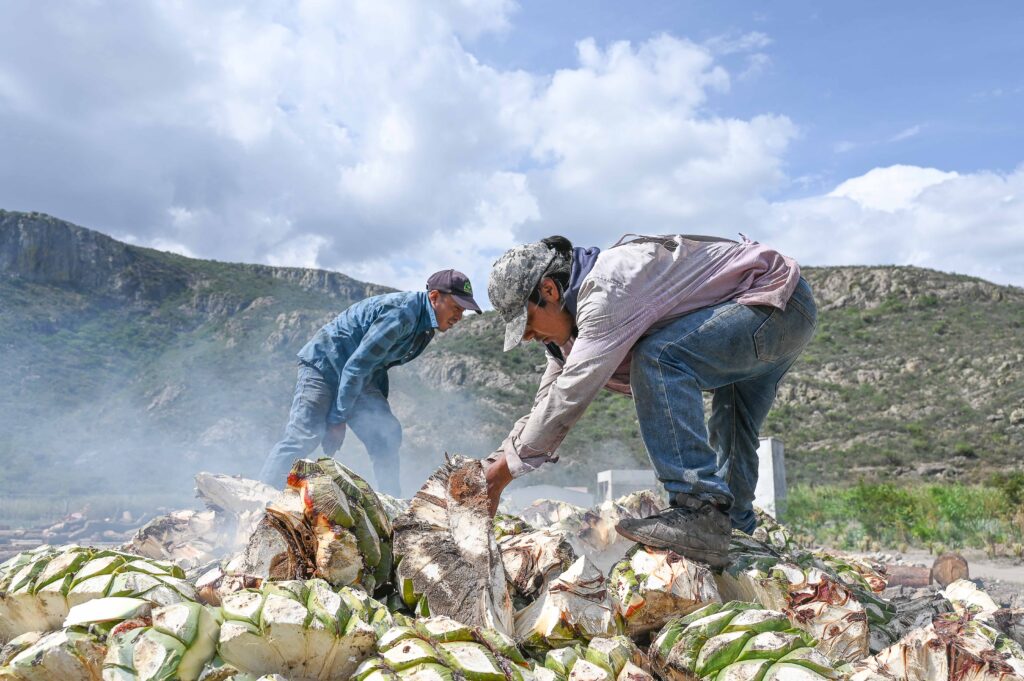
The first palenque I visited was in San Dionisio, Oaxaca. There were three generations working together: from twelve-year-old Chucho and his father, Justino, to the patriarch, Don Margarito. They were joined by a local team to fill the agave oven, a physically demanding job fueled by laughter and mezcal.
In Oaxaca, there is a system called “tequio.” This is a form of communal, unpaid work for the community. This ancient tradition fosters unity through collective action and mutual support. Tequio is often applied in the production of mezcal, with neighbors helping with labor-intensive parts of the process, such as harvesting and cooking agave.
Cooperation in the mezcal industry goes beyond the physical action of making the spirit. In recent years, more producers are banding together in cooperatives. Mezcal cooperatives allow small producers to compete in a global market while maintaining control over their craft, their land, and their cultural identity.
A unified approach between agave farmers, producers, and their communities contributes to the long-term well-being of the land and economic stability. Producers pool resources, labor, and profits, ensuring fairer wages and profit sharing among members. Collaboration also helps implement environmentally friendly initiatives, such as producers working together to replant agaves and use water with care.
Uniting through cooperative strategies strengthens small producers’ negotiation power against larger brands and intermediaries. This also makes small-scale production, beloved by mezcal connoisseurs, more viable. Unity is a strength, mitigating the social and ecological challenges brought by the rising demand for agave spirits.
Sergio Garnier is the founder of Ultramundo mezcal. He developed Ultramundo with the support of several producers in Nombre de Dios, Durango, before consolidating production at his family ranch in Mapimí. He describes the team as the Pelayo collective, after the name of the ranch.
Ultramundo is best known for distilling the agave variety “lamparillo.” Sergio describes lamparillo as the perfect hybrid for the unique environment on the ranch. After years of seeing the ranch erode, Sergio and the team have witnessed the supportive effect of this agave, holding the soil together. Together, they have focused on growing more of the plant to restore the landscape while providing the raw material for this delicious mezcal.
Sergio explains how unity is an essential concept for the Ultramundo brand and the collective that manages production: “It is important that we are all aware of everyone's needs and that we are all aligned towards the same goal. It also means uniting a lot of variables: integrating nature, humanity, and the commercial part. It is having all the pieces together to generate a synergy. The final result is something that is authentic and that means something to the people who try it.”
Like all great food and drink, mezcal stimulates conversation, bringing people together over flavors, opinions, and stories. Sipping these spirits unites us with the earth and hundreds of years of human experience. Raising a glass allows us to join an ancient ritual shared through agave spirits.
Anna Bruce is an award-winning photojournalist and author of Tequila, Mezcal and More. Since a 2013 media residency with Mexico’s foreign ministry, she has documented the history and production of agave spirits, contributing to various publications and independent projects. She lives in Oaxaca, where she and her partner run Rambling Spirits, offering bespoke experiences with mezcal producers.
If you want to learn more about Anna’s work, you can find her on social media:
People are always telling us, “G4 is everywhere,” as if it all happened overnight. The truth is, nothing could be farther from that. The growth and reach of PKGD is a classic “ten-year overnight success” story
MORE INFOBy accessing and using PKGD´s website, you agree to the cookie policy outlined in our privacy notice.


Leave a reply
Lorem ipsum dolor sit amet, consectetur adipiscing elit. Suspendisse varius enim in eros elementum tristique. Duis cursus, mi quis viverra.
Lorem ipsum dolor sit amet, consectetur adipiscing elit. Suspendisse varius enim in eros elementum tristique. Duis cursus, mi quis viverra.