



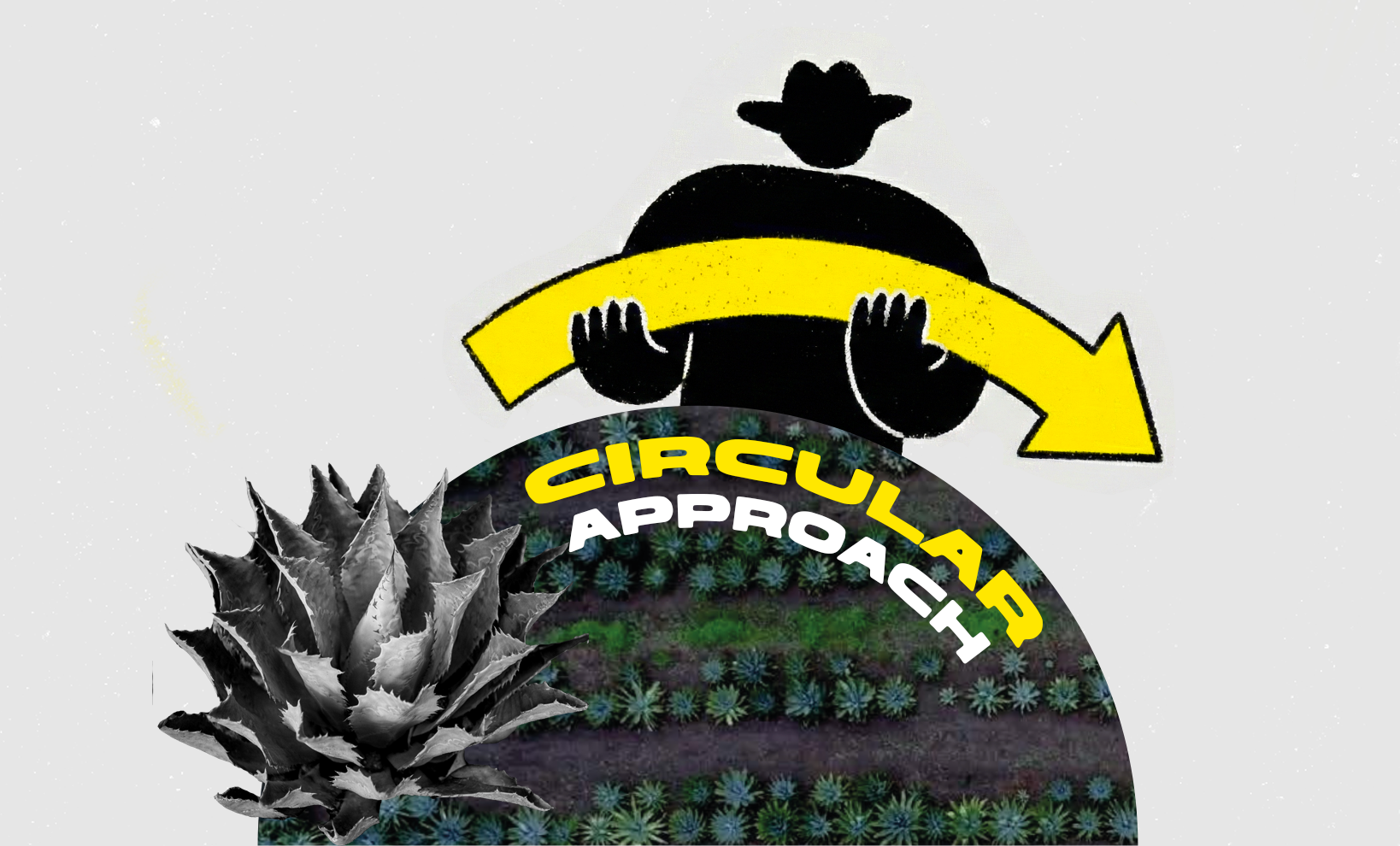
Agave has, since pre Hispanic times, been a foundational resource in the cultural and economic life of multiple regions in Mexico. Used by Indigenous communities for food, medicine, construction, and the production of ritual beverages such as pulque, agave represents a deep and lasting relationship between land and collective identity. Today, its economic relevance has expanded through the production of tequila, mezcal, raicilla, bacanora, and other distillates that generate employment, support local economies, and position agave as a central element of cultural heritage and international trade.
In recent years, agave distillate production has experienced significant growth. The table below reflects estimated volumes produced in 2024. According to data from the Tequila Regulatory Council and the Mezcal Regulatory Council, exports reach more than 120 and more than 65 countries, respectively.
.png)
*Strictly speaking, sotol is not an agave distillate. It comes from a desert plant known as Dasylirion, part of a botanical family distinct from agave. Its production process, however, closely mirrors that of other distillates.
Beyond economic impact, cultural symbolism, and the identity these spirits carry, there is a less visible reality behind each liter of tequila, mezcal, bacanora, sotol, and raicilla. This series on a circular approach to agave distillates focuses on that reality. The environmental footprint embedded in their production.
Multiple environmental challenges must be acknowledged, examined, and addressed. One of the most pressing relates to vinazas, the liquid residues left after distillation. These dark, highly acidic liquids carry a significant organic load and, without proper treatment, can contaminate soils, waterways, and aquifers. It is estimated that for every liter of distillate produced, approximately ten liters of vinazas are generated.
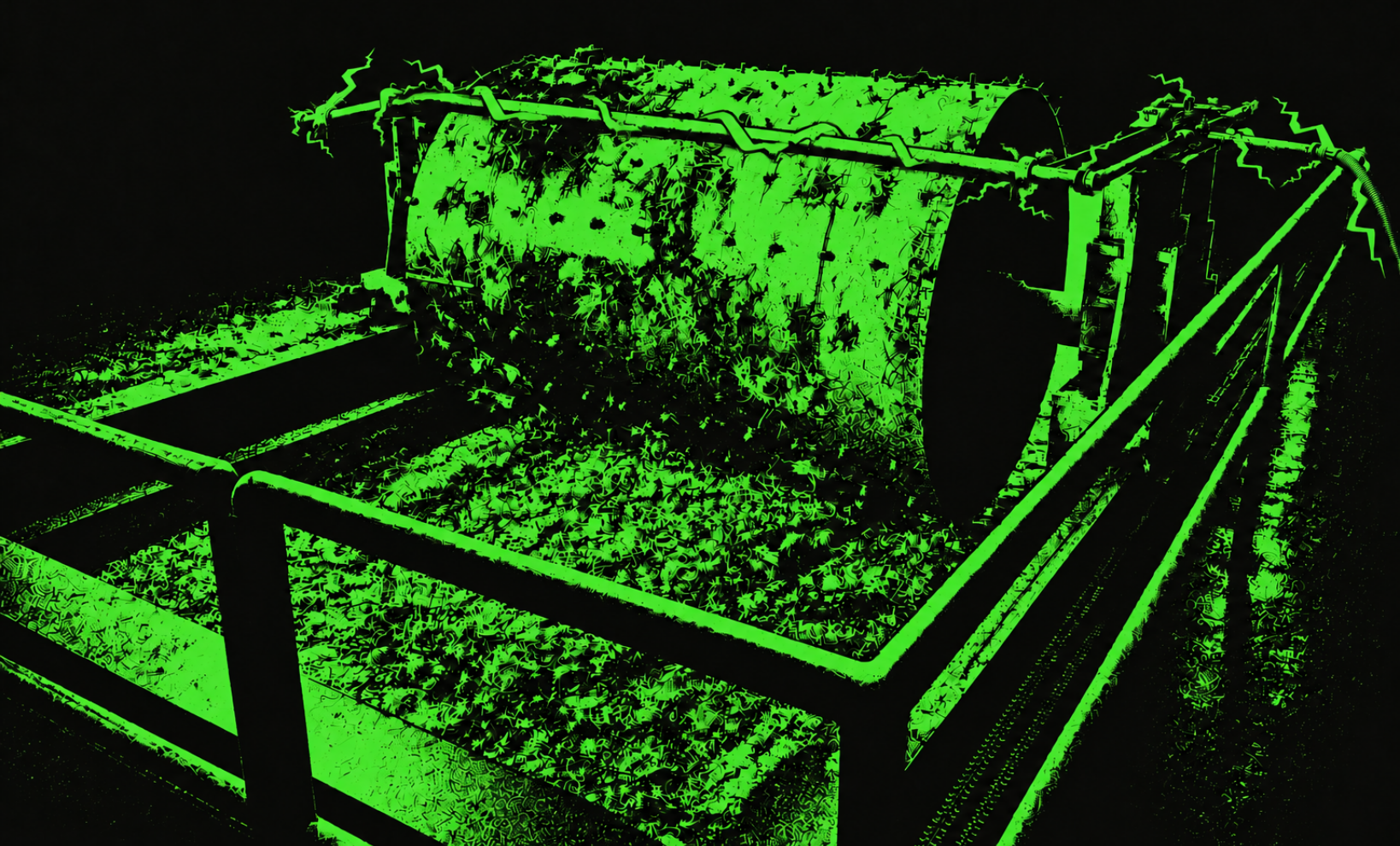
Another significant challenge is bagasse, the solid fibrous residue remaining after juice extraction during production. When left outdoors without adequate treatment, it can lead to spontaneous fermentation, attract pests, pose fire risks, and generate leachates during the rainy season.
Monoculture and speculation associated with large scale agave cultivation present an additional challenge. These practices contribute to deforestation, extreme price fluctuations, and soil erosion, particularly in the absence of holistic or regenerative agricultural management.
These challenges are not without solutions. Existing public and private initiatives are already working across different scales. Among them are the Agave Responsable Ambientalmente program promoted by the Government of Jalisco and the Tequila Regulatory Council, the Green Distinction issued by the Mezcal Regulatory Council, and the Sustainable Raicilla Production Support Program led by the Agency for Coinvestment in Sustainable Development of Jalisco.
In the following installments, we will explore each of these challenges in greater depth, along with the strategies proposed for mitigation and transformation. Within this framework, the principles of circular economy and regenerative agriculture play a central role.
Yani Limberopulos, Director of Planning and Project Development at the Co Investment Agency for Sustainable Development of Jalisco.
He has over ten years of experience in the design, implementation, and evaluation of public policies, having worked across the Federal and State governments, Civil Society Organizations, and International Organizations.
This article was structured with the assistance of artificial intelligence (ChatGPT). All content is based on human input and editorial oversight. For more details on how PKGD integrates AI responsibly, please refer to our AI Policy.
This article was structured with the assistance of artificial intelligence (ChatGPT). All content is based on human input and editorial oversight. For more details on how PKGD integrates AI responsibly, please refer to our AI Policy.
At PKGD, we continue investing in brand-led storytelling, creating work designed not only to perform, but to build long-term brand equity.

By accessing and using PKGD´s website, you agree to the cookie policy outlined in our privacy notice.
By accessing and using PKGD´s website, you agree to the cookie policy outlined in our privacy notice.





































Leave a reply
Lorem ipsum dolor sit amet, consectetur adipiscing elit. Suspendisse varius enim in eros elementum tristique. Duis cursus, mi quis viverra.
Lorem ipsum dolor sit amet, consectetur adipiscing elit. Suspendisse varius enim in eros elementum tristique. Duis cursus, mi quis viverra.