

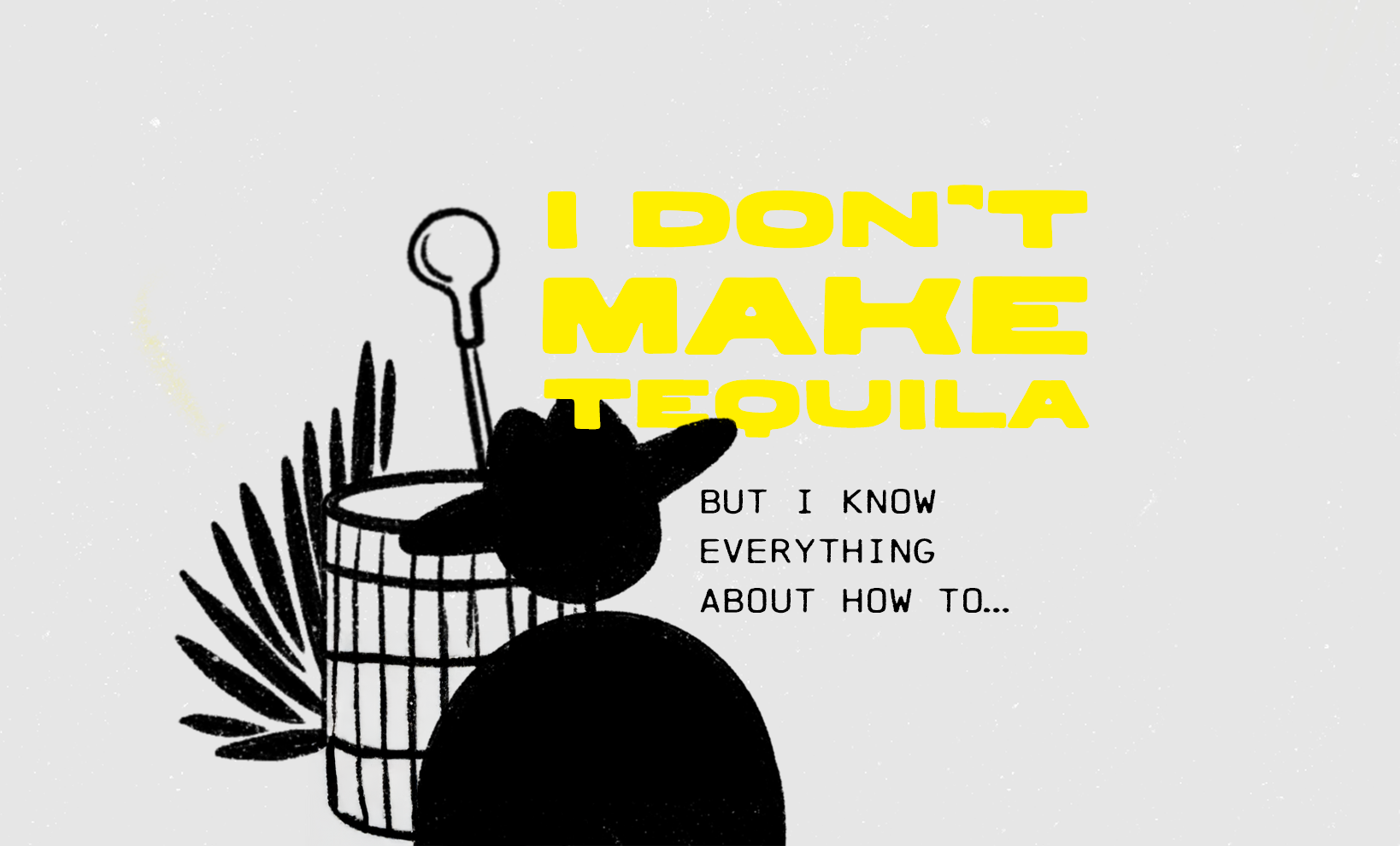
There’s a strange irony in this business. I’ve spent years learning everything there is to know about how tequila is made: the fields, the ovens, the fermentation tanks, the barrels, the water. I can tell you how still design changes a distillate’s mouthfeel and how wood fermentation creates complexity that you can smell. I can read a distiller’s log book, I can measure brix in the lab, and I even know the lady who sells the agave flavoring to the places running diffusers.
And yet, I don’t make tequila.
That’s not humility. It’s honesty. Because making tequila isn’t a passive experience or a concept and it doesn’t go on a marketing deck. It’s an act of creation that lives in muscle memory, weathered hands, and generations of experience.
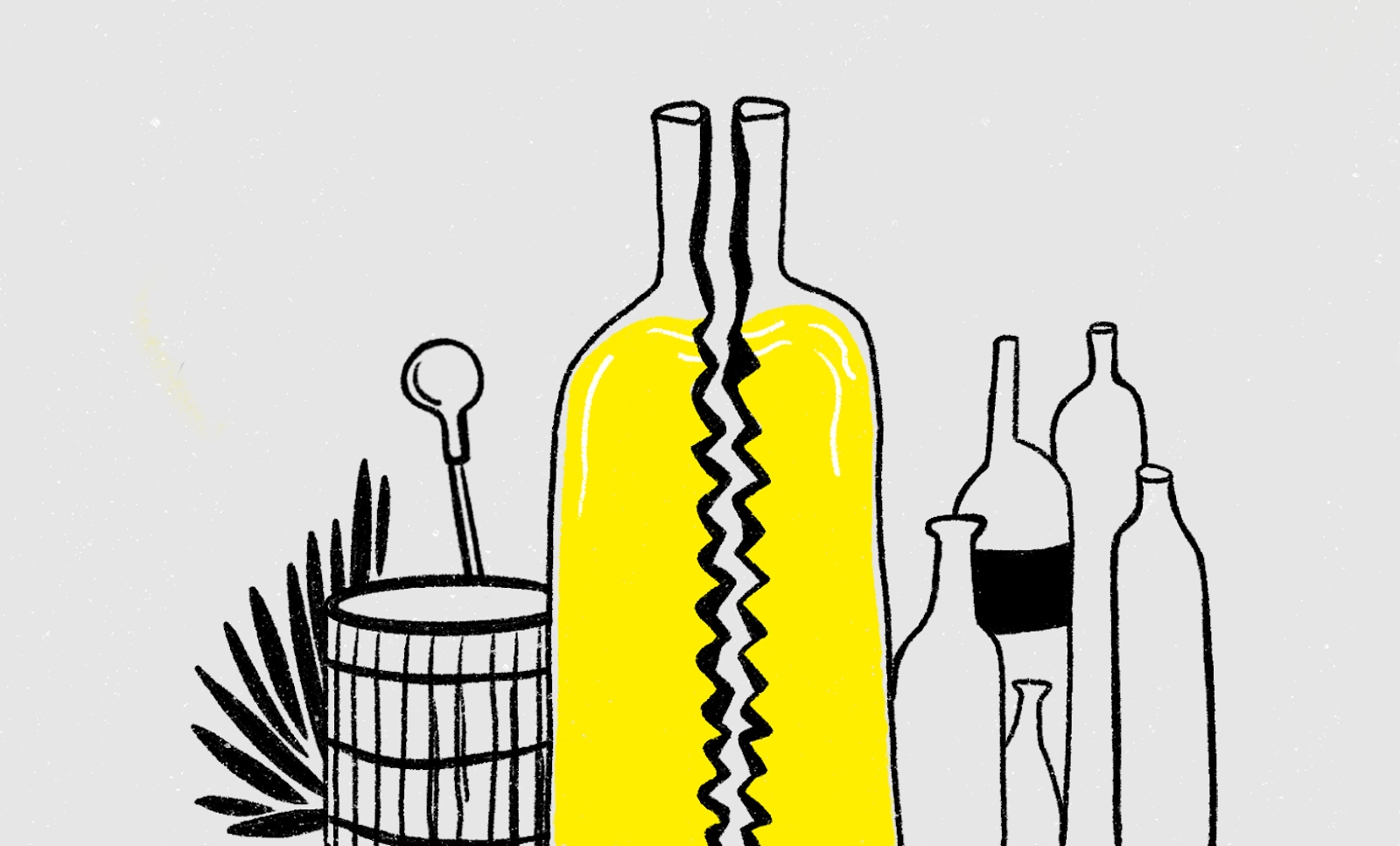
Today, there are more than 3,700 tequila brands registered, but only about 260 actual producers — the distilleries that make the product. That means most of those brands aren’t makers at all; they’re clients. They buy liquid, design a label, and create a story around it.
There’s nothing inherently wrong with that model, but too often those brand owners cross a line. They start talking about how they make tequila when, in truth, they don’t. They talk about “our distillery,” “our agaves,” “our process,” but none of those things are theirs.
And the really uncomfortable truth? Many don’t even know what’s in their own bottle!
I find that dissonance frustrating — not because I’m competing with them, but because I’ve seen what true production looks like. It’s hot, it’s hard, it’s humbling work. It’s not romantic. It’s relentless. When you’ve stood beside someone like Felipe Camarena in El Pandillo or Carlos Méndez Blas in Matatlán, you understand immediately that this isn’t a hobby or a branding exercise. It’s their life’s work.
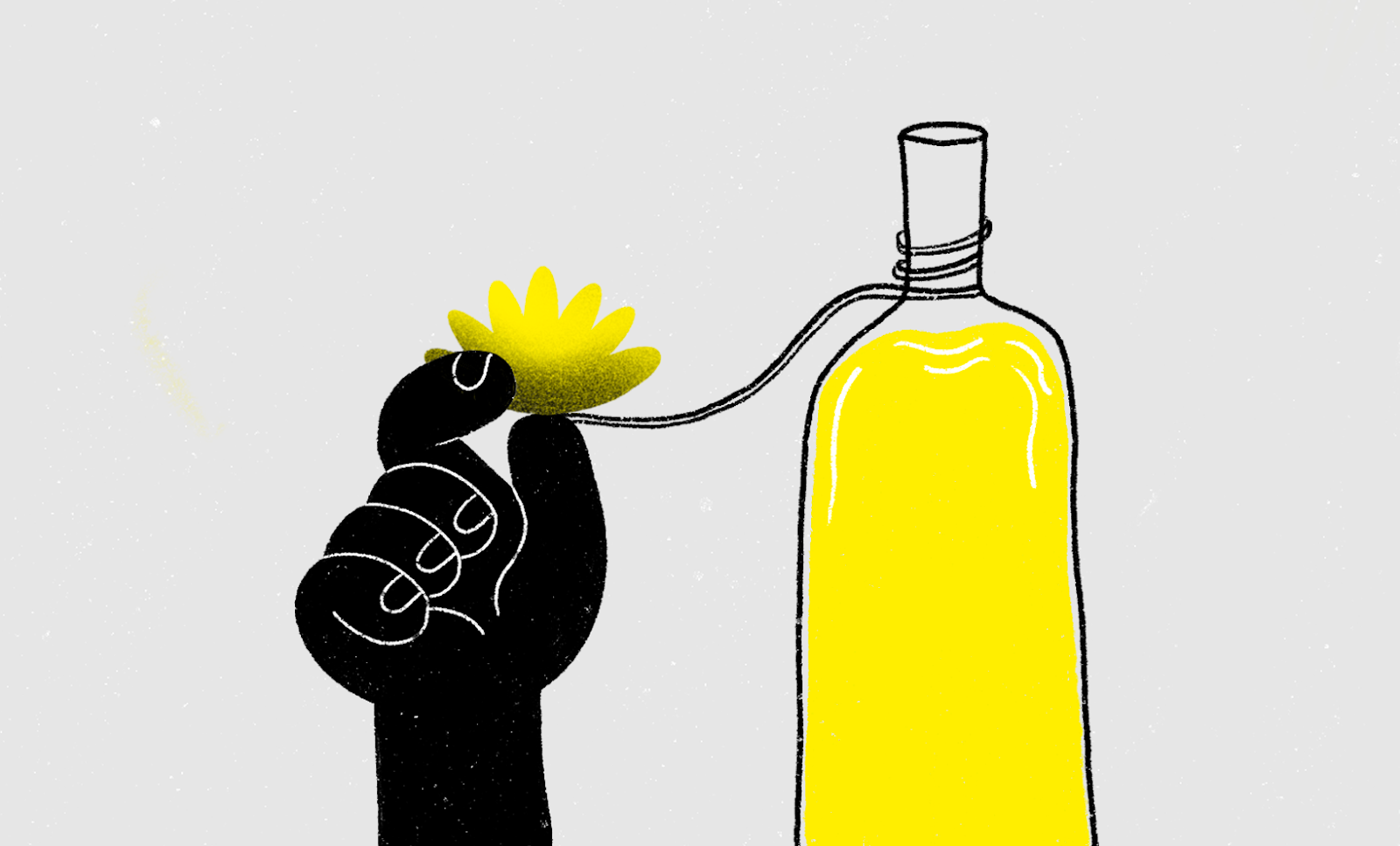
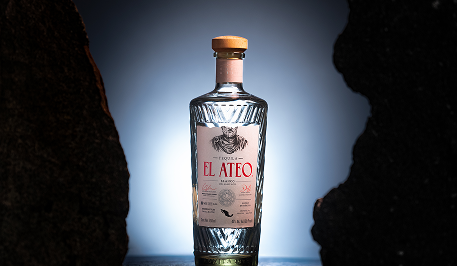
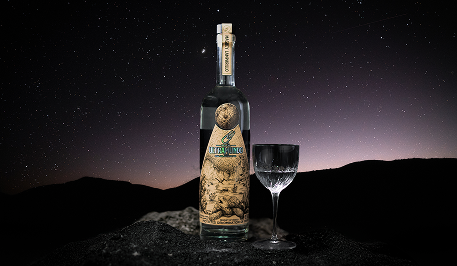
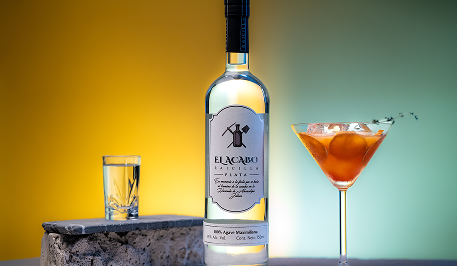
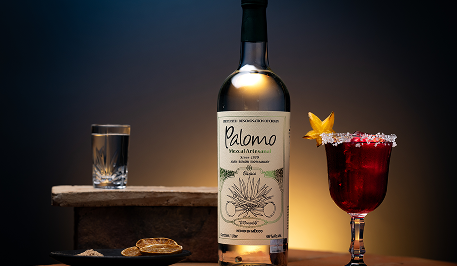
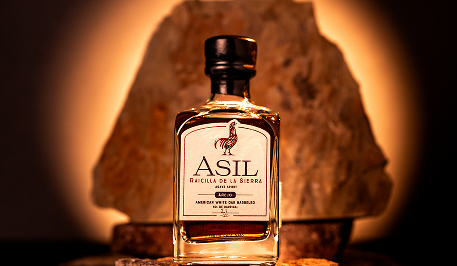
At PKGD, we don’t make tequila, mezcal, or raicilla. We work with the people who do — and not just any producers, but with families who own their own brands, who carry their own name and reputation in every bottle.
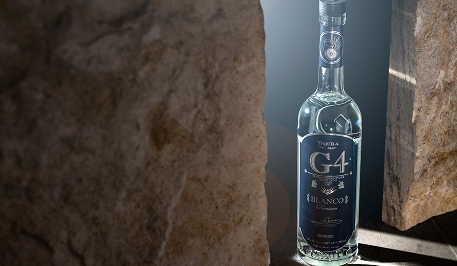
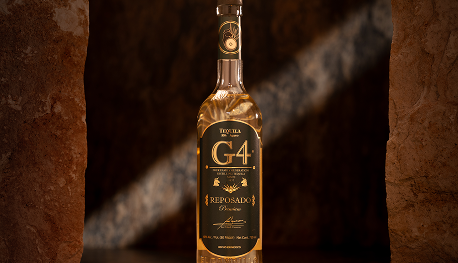
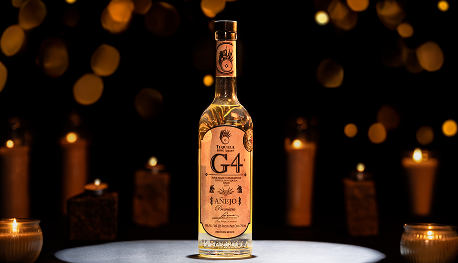
Producer-owned brands are the foundation of transparency in agave spirits. They’re accountable because they’re visible. When Felipe says how G4 is made, he’s not repeating marketing copy; he’s describing what he did today and yesterday. When Carlos at Palomo talks about roasting agaves from his own fields, that’s not a metaphor. It’s his livelihood.
That connection between the hands and the bottles is what gives authenticity its meaning. Without it, all they have is a story.
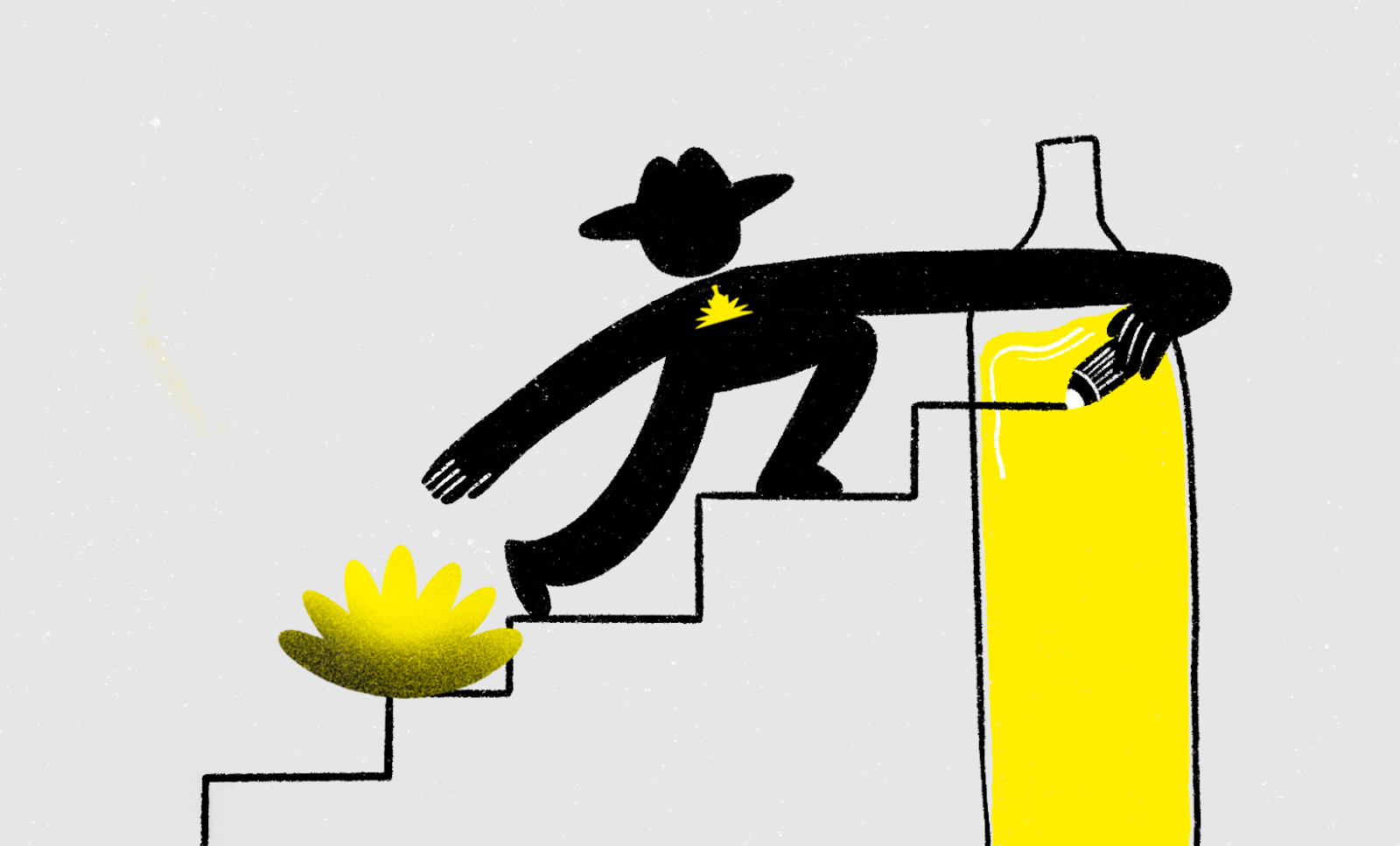
What PKGD does is simple: we build the bridge. We take the producers who make extraordinary spirits and give them the visibility, structure, and storytelling they deserve. We don’t invent myths; we document truth.
It’s an act of respect — for the producers, for the culture, and for the consumers who deserve to know what they’re drinking.
In a world where branding too often overshadows substance, PKGD stands on the side of the makers. We shine a light on the hands behind the heritage.
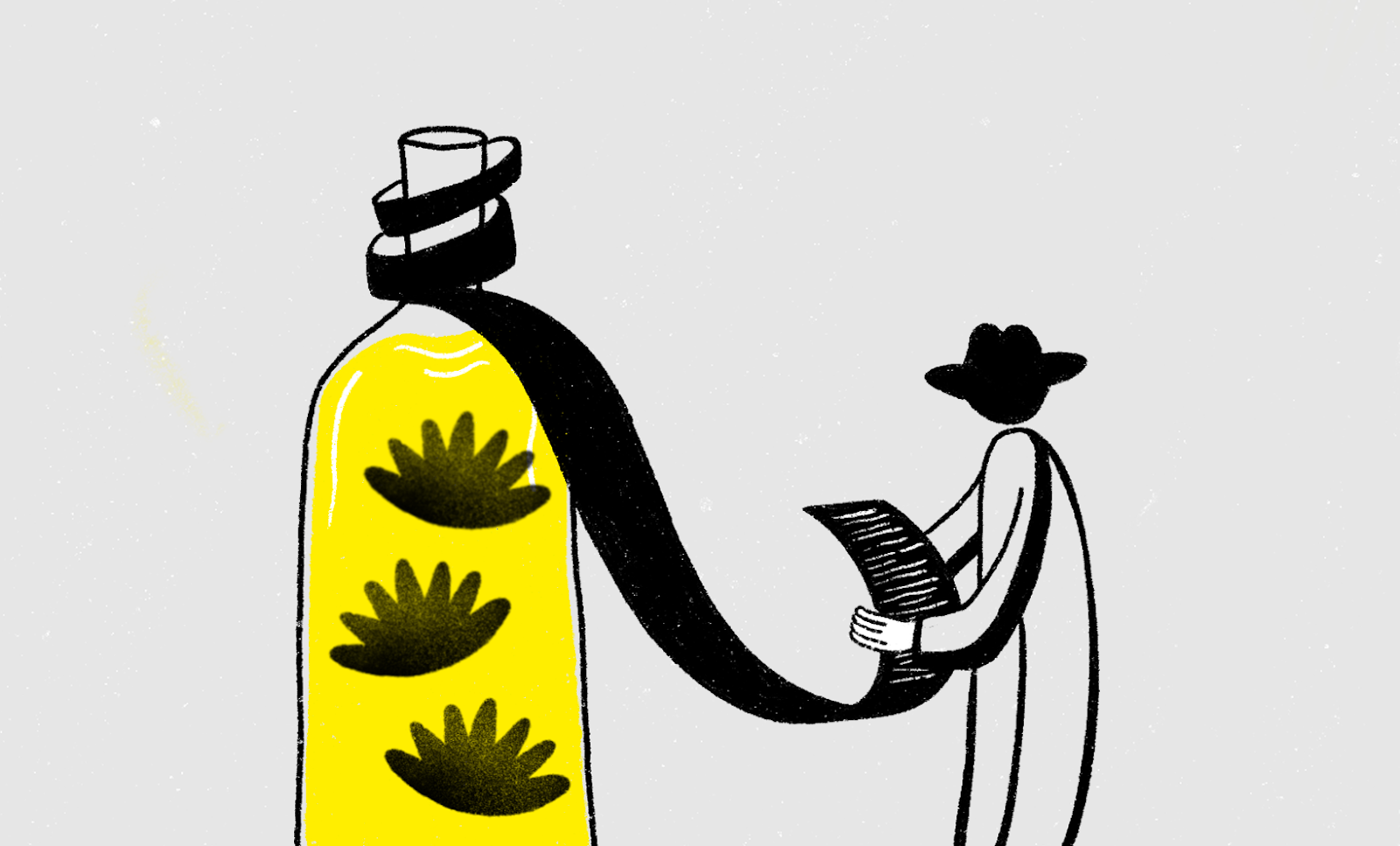
The deeper I’ve gone into this world, the more I’ve realized that knowledge and authorship are not the same thing. You can know everything about how tequila is made — every chemical reaction, every production step — and still not know how to make tequila.
That difference matters; a lot.
Because when we blur it, we disrespect the people who actually create it. And when we honor it, we elevate the whole category.
The best thing anyone can do for tequila, mezcal, and raicilla is to tell the truth about who makes them.
And that’s what I intend to keep doing — because I may not make tequila, but I know who does.
This article was structured with the assistance of artificial intelligence (ChatGPT). All content is based on human input and editorial oversight. For more details on how PKGD integrates AI responsibly, please refer to our AI Policy.
This article was structured with the assistance of artificial intelligence (ChatGPT). All content is based on human input and editorial oversight. For more details on how PKGD integrates AI responsibly, please refer to our AI Policy.
At PKGD, we continue investing in brand-led storytelling, creating work designed not only to perform, but to build long-term brand equity.

By accessing and using PKGD´s website, you agree to the cookie policy outlined in our privacy notice.
By accessing and using PKGD´s website, you agree to the cookie policy outlined in our privacy notice.










Leave a reply
Lorem ipsum dolor sit amet, consectetur adipiscing elit. Suspendisse varius enim in eros elementum tristique. Duis cursus, mi quis viverra.
Lorem ipsum dolor sit amet, consectetur adipiscing elit. Suspendisse varius enim in eros elementum tristique. Duis cursus, mi quis viverra.