
Mature agave piñas are slowly cooked in traditional brick and stone ovens for 28 hours. This slow cooking caramelizes the natural sugars and develops the rich, sweet flavors of cooked agave. After cooking, the agave is left to cool naturally in the oven to preserve its full aromatic profile.

.png)
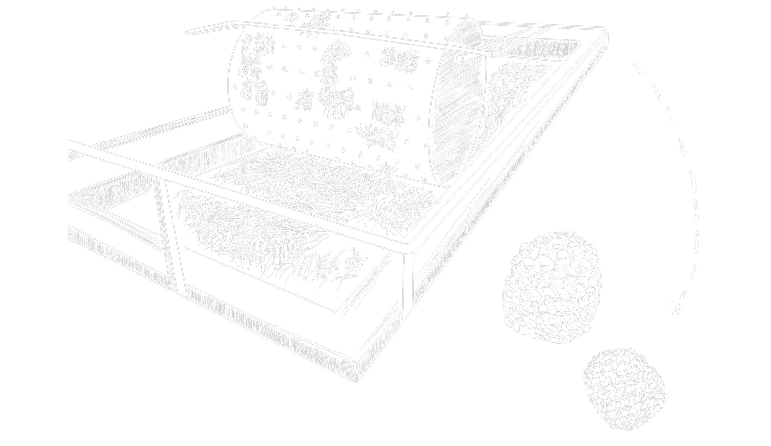
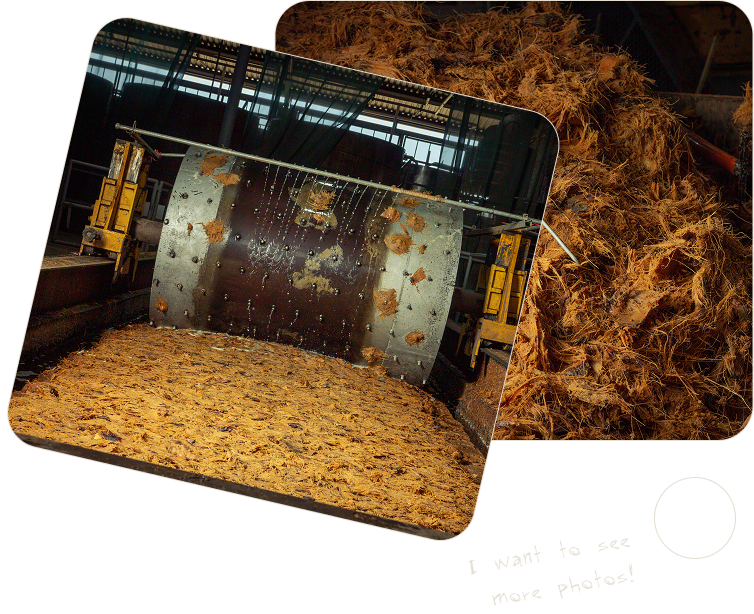
At the heart of G4 Tequila’s unique production process is an ingenious creation by master distiller Felipe Camarena: a custom-built tahona affectionately called “Felipestein.”
This innovative milling machine is made from repurposed industrial parts, including the axle of an old railroad car and the base of a steamroller. Despite its Frankenstein origins, it plays a crucial role in preserving tradition while enhancing efficiency.

Mature agave piñas are slowly cooked in traditional brick and stone ovens for 28 hours. This slow cooking caramelizes the natural sugars and develops the rich, sweet flavors of cooked agave. After cooking, the agave is left to cool naturally in the oven to preserve its full aromatic profile.

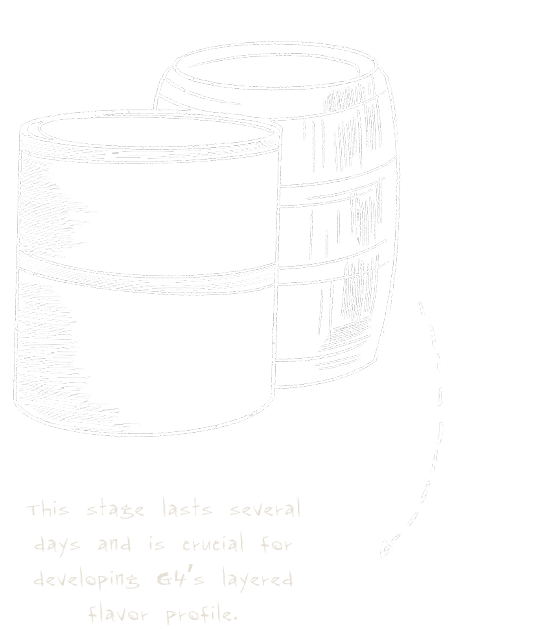
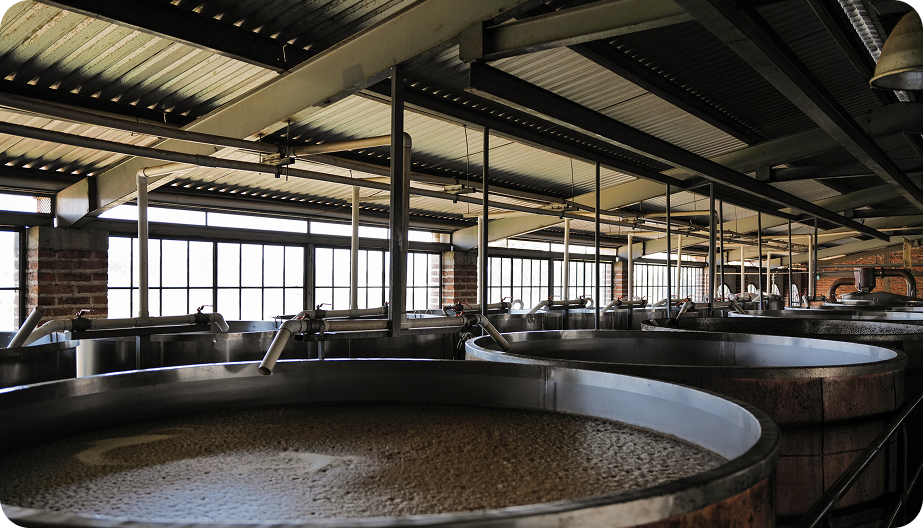
The extracted agave juice (mosto) undergoes natural fermentation using wild yeasts from the local environment, no commercial yeasts, chemicals, or accelerants are added.
Fermentation takes place in two types of vessels: stainless steel and wooden tanks.


By accessing and using PKGD´s website, you agree to the cookie policy outlined in our privacy notice.
By accessing and using PKGD´s website, you agree to the cookie policy outlined in our privacy notice.