







In Mexican celebrations, agave spirits like mezcal and tequila often play a central role, reflecting their deep-rooted connection to traditional rituals and community gatherings. Cinco de Mayo, often referred to as “Cinco de Drinko”, has become one of the most popular parties in the U.S., a time to sip margaritas in the spring sunshine.
However, despite being one of the best-recognized “Mexican-themed” holidays, this day is rarely celebrated in Mexico. Cinco de Mayo may be the fiesta where drinking culture overshadows the true history behind the date.
Cinco de Mayo commemorates the Battle of Puebla, the Mexican army’s 1862 victory over France during the Franco-Mexican War (1861–1867). It was a defining moment in Mexican history, when a small and under-equipped force achieved an unexpected victory. The holiday is frequently confused with Mexican Independence Day, which actually takes place on September 16.
Unlike September 16, which is officially recognized and widely celebrated in Mexico, Cinco de Mayo began as a grassroots celebration among Mexican-American communities in the United States. It is not typically observed in Mexico, except in Puebla itself.
As more Mexicans migrated to the U.S., they brought their traditions with them, including Cinco de Mayo, sometimes using it as a way to unite communities and express political resistance. As David Hayes-Bautista, author of Cinco de Mayo: An American Tradition, explains, “By celebrating Cinco de Mayo, we were celebrating resistance.”
This activism continued as the Chicano Movement grew, using celebrations like Cinco de Mayo to highlight cultural heritage and empower Mexican-Americans. The holiday came to symbolize resilience, a kind of “David vs. Goliath” narrative.
As the holiday has grown in popularity, its connection to the original meaning has weakened. It wasn’t until the late 1980s that Cinco de Mayo became the marketing phenomenon it is today.
In 1989, Texas-based distributors of Corona launched a campaign encouraging Mexican-Americans to embrace their heritage through Mexican beverages. The celebration quickly gained nationwide traction and expanded to include tequila and mezcal, often in cocktail form.
This marketing push, particularly for lower-cost agave spirits, can distance consumers from the roots of these drinks and from the historical significance of dates like Cinco de Mayo.
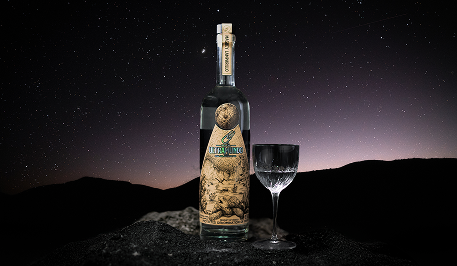
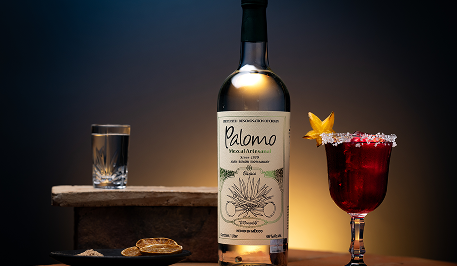
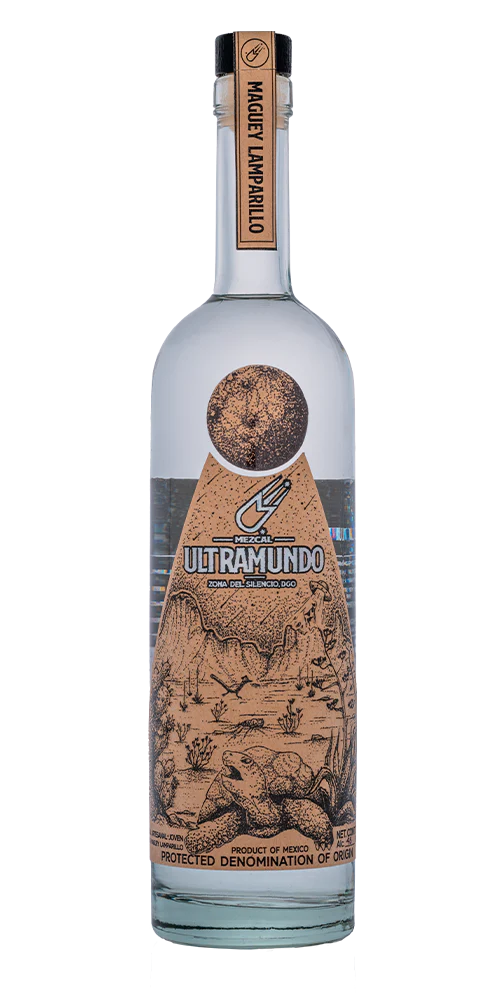
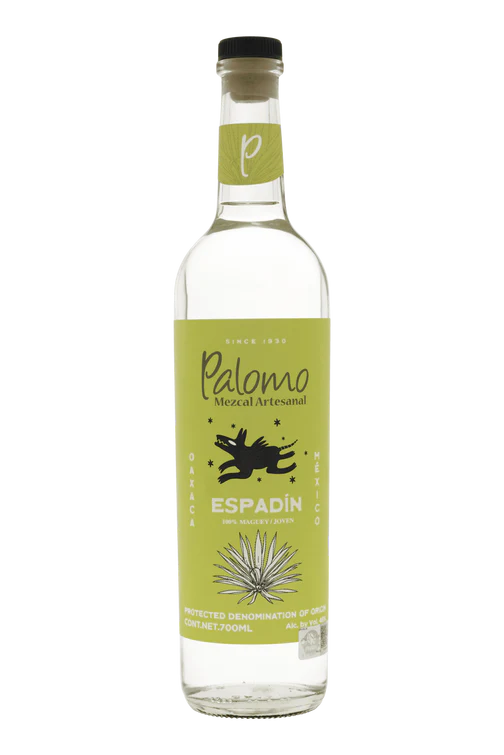
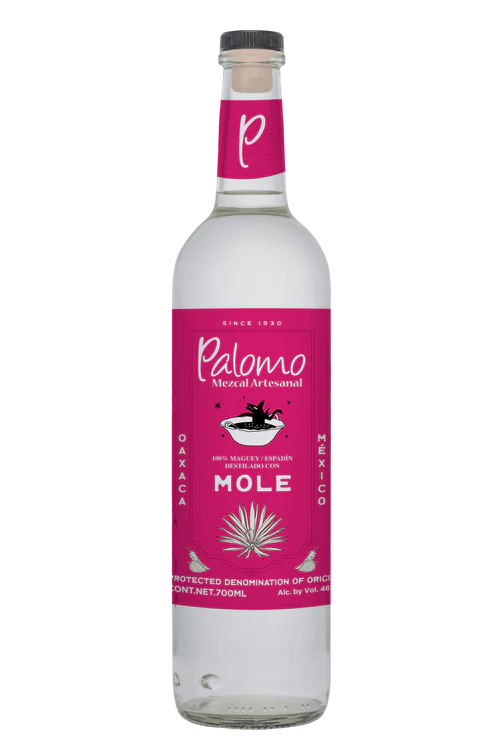
Fortunately, the efforts of producers such as Colectivo Pelayo, Ultramundo, and Carlos Méndez Blas of Mezcal Palomo help preserve traditional practices, prioritizing respect for the land and heritage over market demands. The act of traditional production, combined with environmental stewardship, becomes a powerful expression of identity and a defense against cultural dilution.
Colectivo Pelayo, based in Durango and founded by Sergio Garnier, is pioneering landscape restoration through the planting of endemic agave. As Garnier explains, “We are reforesting with agave. It’s not only neutral, it’s beneficial for the environment and the community. It’s very Mexican, it’s very authentic.”
When it comes to mass consumption during Cinco de Mayo, Garnier notes that they resist pressure to lower costs. “For us, the secret to resisting this pressure is authenticity.”
He also sees entry-level tequilas as a starting point. “For me, this is where the journey begins, eventually leading to wild agave and higher ABV, traditionally made mezcals. It’s about making sure consumers understand what’s behind their favorite spirits, the cost, the story, and everything that comes with them.”
Based in Oaxaca, Blas and his family are key figures in the world of artisanal mezcal, working tirelessly to protect traditional production methods.
As these artisanal producers gain visibility among agave enthusiasts, they are increasingly able to share their work with a broader audience. Blas views Cinco de Mayo as “a good opportunity to promote Mexico as a country. It benefits the economy because Mexican products like mezcal, tequila, and beer are consumed. In my opinion, it’s a great excuse to celebrate Mexico and support Mexican-made goods.”
Agave spirits represent a deep connection to Mexican identity and history, strengthening community ties and social networks. They symbolize resilience and cultural pride, reflecting the richness and diversity of Mexican traditions. As seen with Palomo and Ultramundo, these spirits can act as a form of cultural resistance, protecting traditional knowledge from the pressures of modernization and homogenization.
If you’re planning to celebrate Cinco de Mayo this year, consider sipping artisanal agave spirits like Ultramundo and Palomo, while also taking time to explore the history and meaning behind the date.
This article was structured with the assistance of artificial intelligence (ChatGPT). All content is based on human input and editorial oversight. For more details on how PKGD integrates AI responsibly, please refer to our AI Policy.
At PKGD, we continue investing in brand-led storytelling, creating work designed not only to perform, but to build long-term brand equity.
This article was structured with the assistance of artificial intelligence (ChatGPT). All content is based on human input and editorial oversight. For more details on how PKGD integrates AI responsibly, please refer to our AI Policy.

Four producers reveal what cannot be sacrificed if a spirit is to remain fully itself.
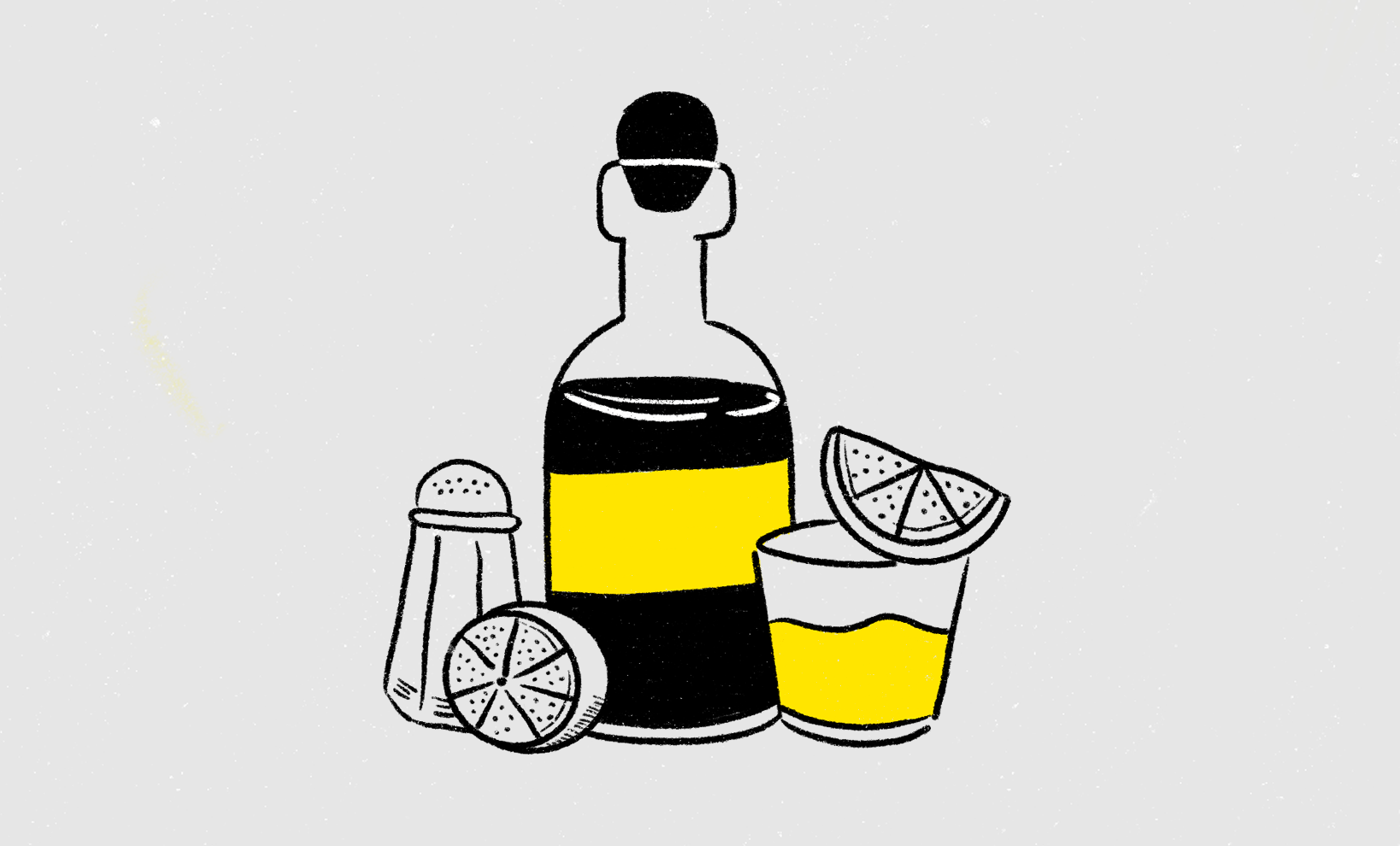
The way we learn to drink tequila can shape what we notice in the glass, and what habit trains us to ignore.
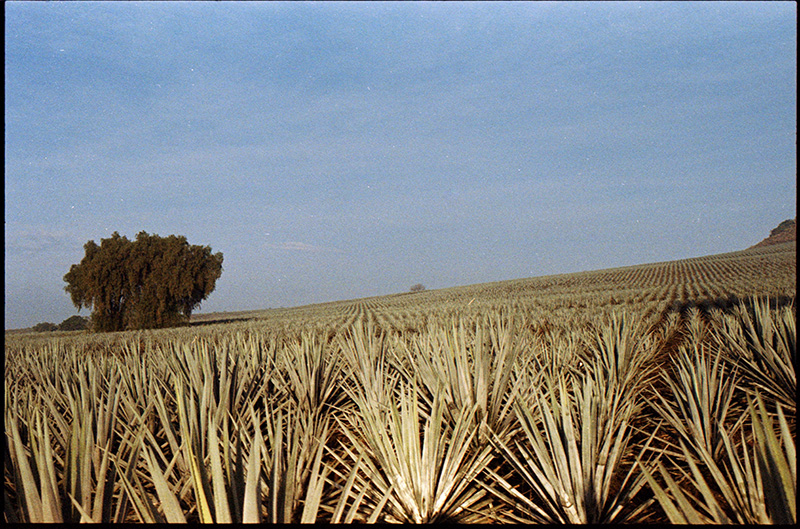
Cheap agave does not erase cost; it delays it, until neglected fields turn a price collapse into an agricultural risk.
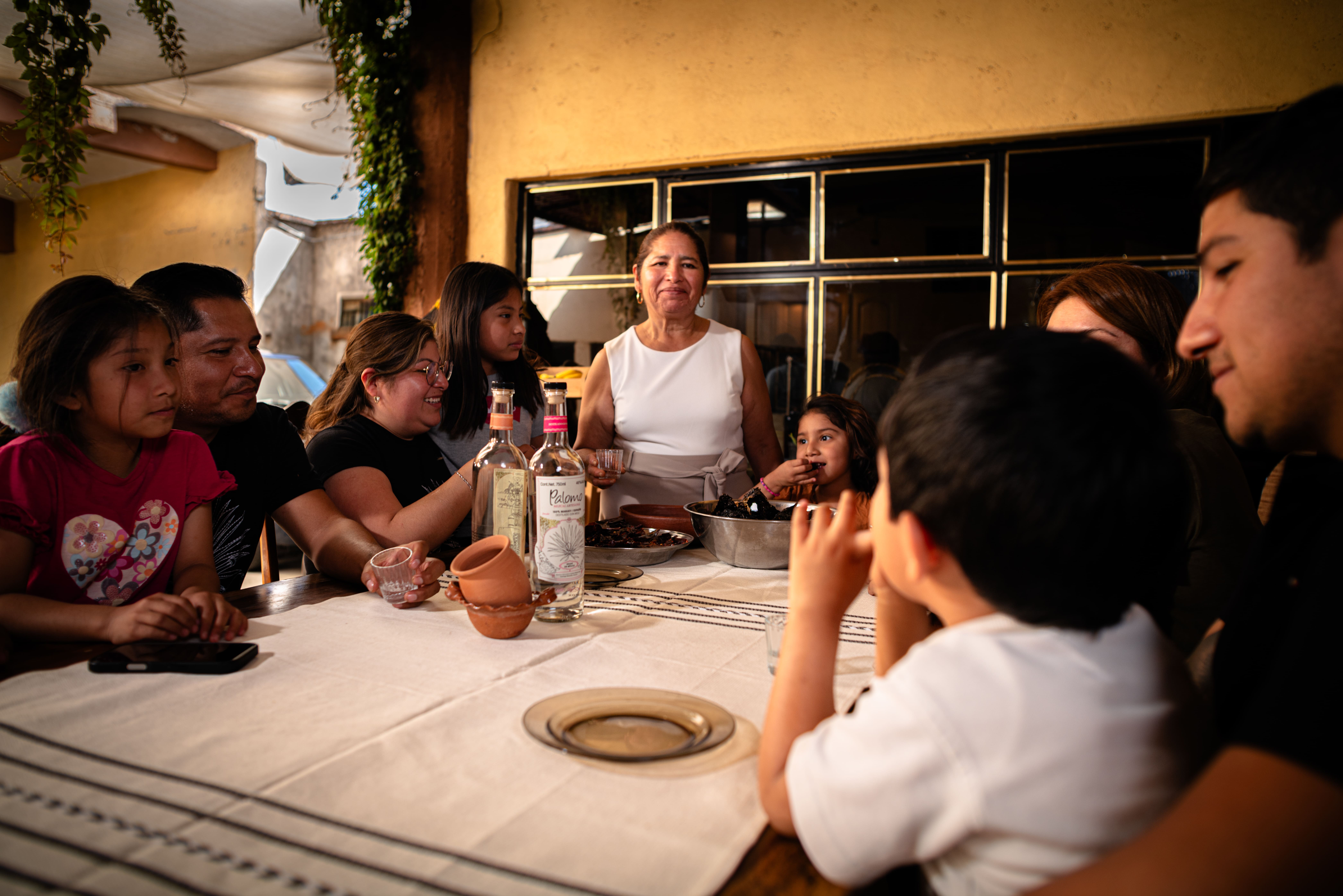
Buying the symbol is celebration; real support begins when the bottle stays connected to its maker.
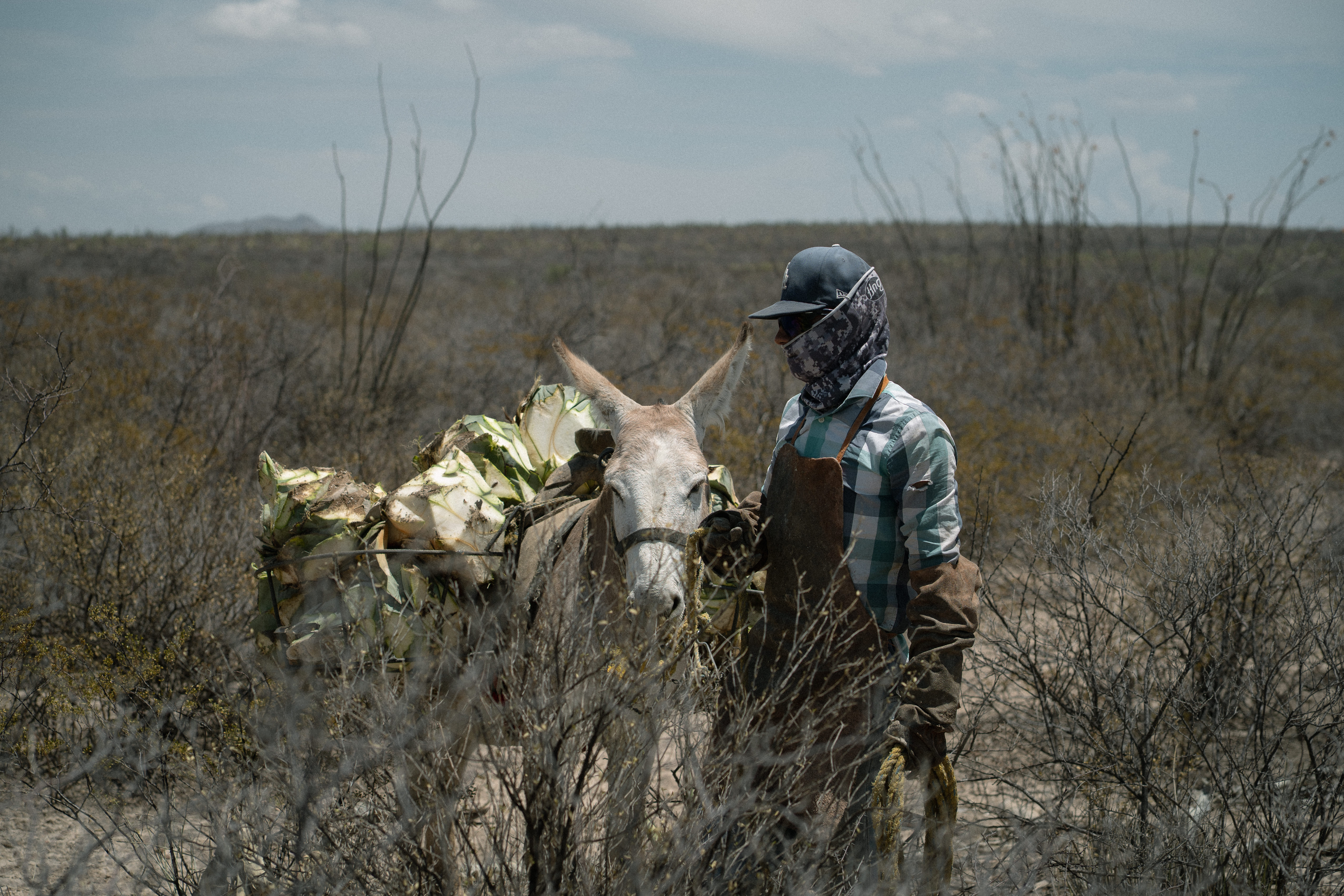
Agave spirits carry more than flavor: they hold memory, land, and forms of resistance against erasure.
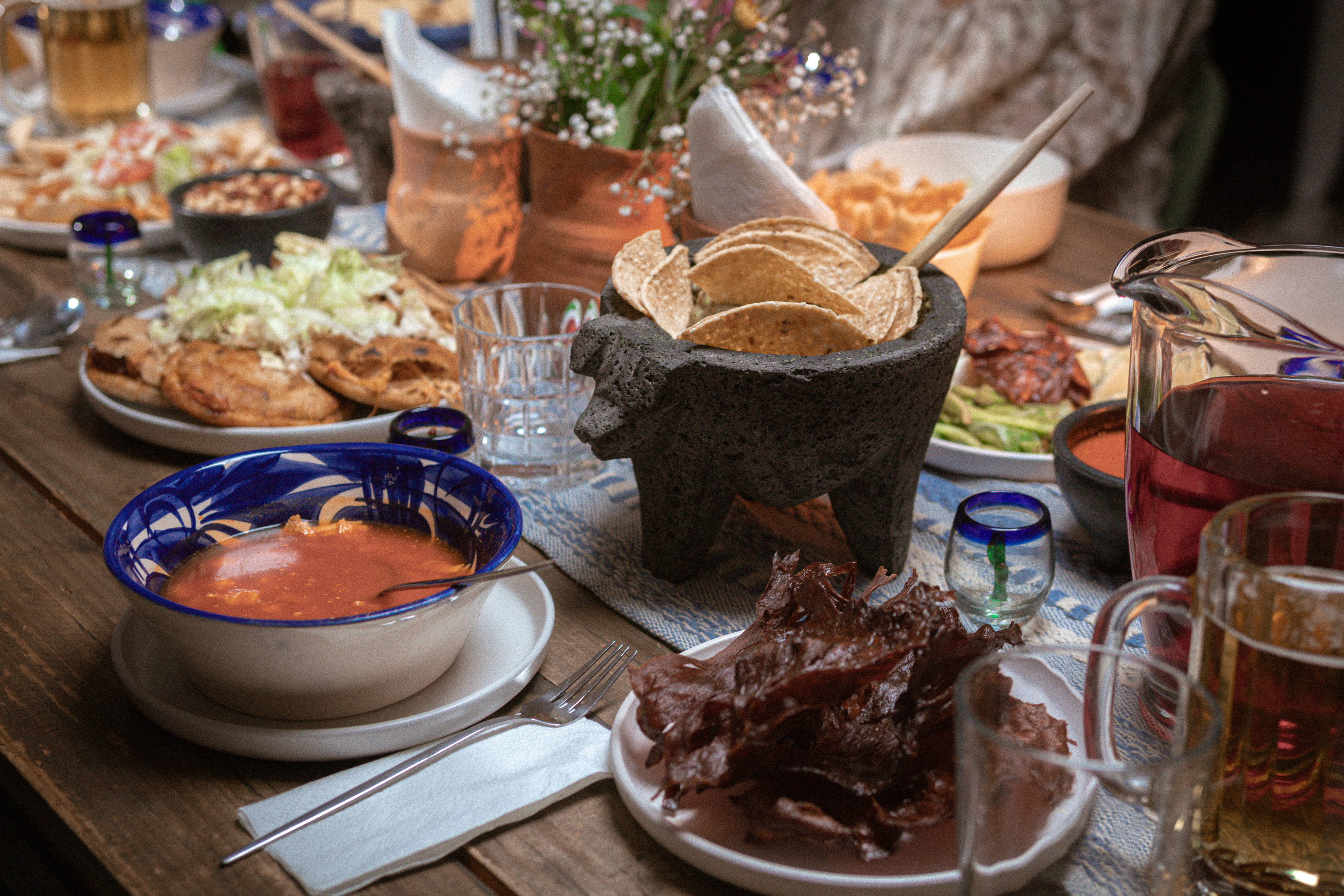
In a month crowded with symbols, representing Mexico responsibly means preserving context, limits, and the living truth behind what becomes visible.

By accessing and using PKGD´s website, you agree to the cookie policy outlined in our privacy notice.
By accessing and using PKGD´s website, you agree to the cookie policy outlined in our privacy notice.























Leave a reply
Lorem ipsum dolor sit amet, consectetur adipiscing elit. Suspendisse varius enim in eros elementum tristique. Duis cursus, mi quis viverra.
Lorem ipsum dolor sit amet, consectetur adipiscing elit. Suspendisse varius enim in eros elementum tristique. Duis cursus, mi quis viverra.