



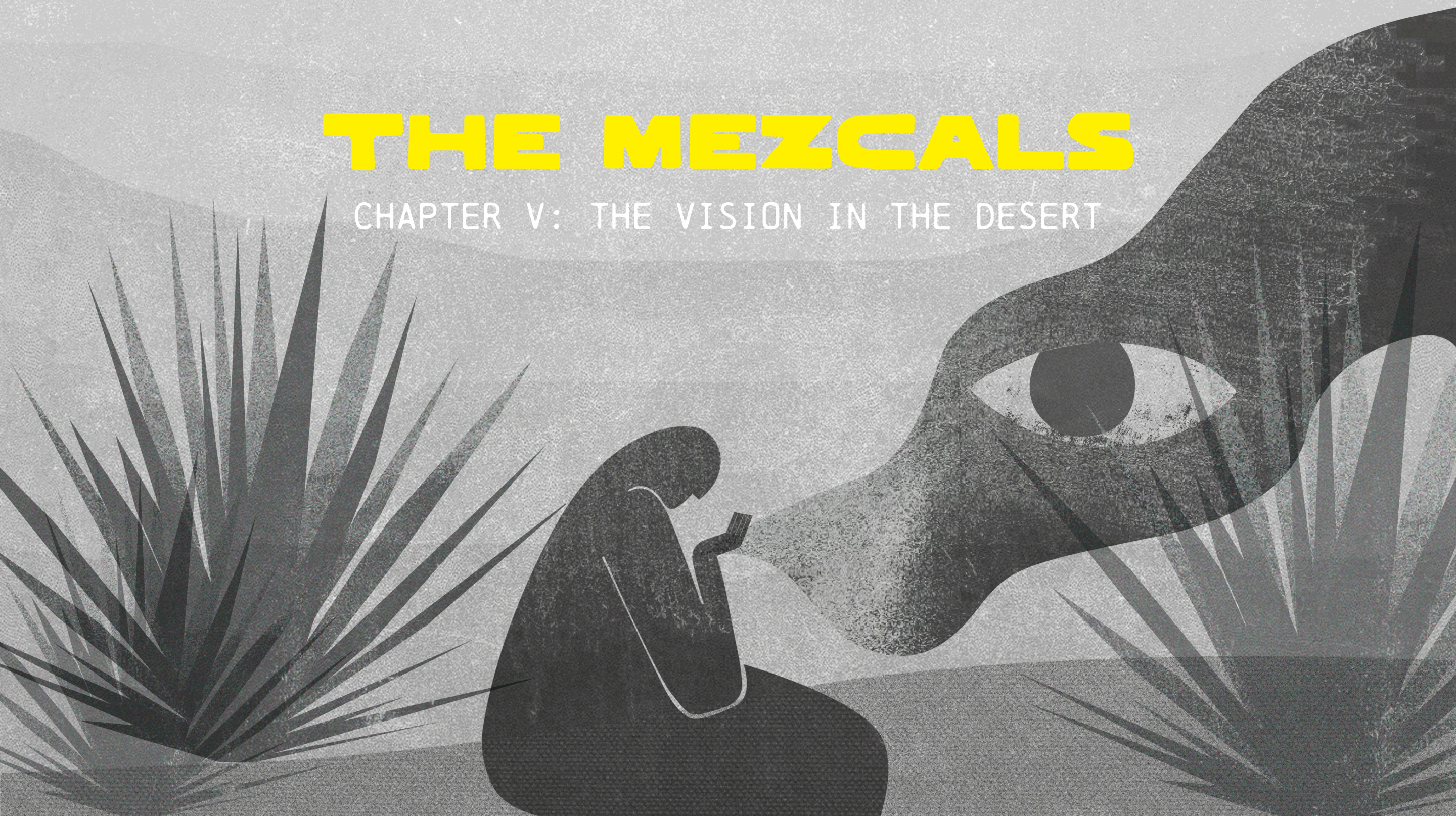
The Yaquis led him into silence. No words, only the rasp of sand beneath their feet, the slow rhythm of a drum carried on the wind. A circle was drawn, smoke coiled upward, and the medicine passed to his lips. Bitter, alive. He swallowed, and the world loosened.
His body grew heavy, but his mind unfastened. The fire dimmed, the night widened. He tried to resist, but the Yaquis’ painted eyes held him in place. They did not speak. They did not allow him to turn away. The desert had opened, and he had to enter.
At first there was only darkness, vast and humming. Then a pulse in his chest—not his own, but someone else’s. Heat, steady and restrained, until it swelled into something unbearable. He saw fields, stone ovens, smoke rising like prayer. A man’s back bent under invisible weight. Fear coiled tightly, disguised as strength. It was Verde. Duty wrapped around him like fire contained, and Hijuelo felt it burn inside his own ribs.
The heat collapsed into iron. Chains clattered against his skin. He stood inside walls gleaming white, polished glass reflecting his own face—but not his face. Cheers echoed, foreign tongues pronouncing a name that wasn’t his. Weber. Applause thundered, but the sound was hollow. Pride laced with emptiness, grandeur forged by another’s hand. He felt Azul’s hunger—an endless reaching, a greatness bound in chains. Hijuelo recoiled, but the Yaquis’ eyes pulled him back. He had to watch.
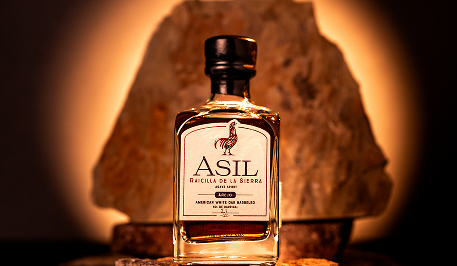
Then sweetness. A sudden softness spreading through his veins, almost unbearable. He saw her—the one he had left. Raicilla, fierce and luminous, standing at the edge of shadow. Her laughter, her solitude, her unyielding presence. She was alive, defiant, yet condemned to walk unseen, her name whispered in secret. In her, he tasted both tenderness and exile. The sweetness lingered like a wound that would never heal.
The visions twisted, folding over each other. Verde’s fear, Azul’s chains, Raicilla’s solitude—all inside him now, indistinguishable. He stumbled through a maze of voices, every corridor leading him back to himself. He called out, but no answer came. The walls tightened, faceless yet suffocating. He understood nothing, only that something immense and terrible approached.
He fell to his knees within the vision. “What am I?” he cried. “Whose heart beats inside me?”
Silence. The desert did not answer. Only the weight of a war he could not name pressed on him, thick as stone.
From the edge of the trance, the elder’s voice entered, dry as bone:
“The enemy has no face because it lives in you. When the battle comes, you will bleed either way. Every choice will cut. Every path will wound. And still—you must walk the labyrinth, or be crushed inside it.”
Hijuelo gasped awake, the firelight cutting into his eyes. His body trembled, drenched in sweat. Around him, the Yaquis remained still, their silence heavier than words. The prophecy echoed not as promise but as burden.
He lay staring into the flames, knowing nothing had been solved. Only this: the desert had not killed him. It had given him a question too heavy to bear.
The Yaquis did not let him leave unnamed. They spoke among themselves. Then one elder leaned close, dipped his thumb in ash, and pressed it hard into his forehead. It burned like a mark, not a blessing.
“We found you in the hillside of reeds,” he said. “Bacanoraco. Bacanora. That is your name now.”
The syllables cut. Not gift, not comfort. A scar. A command to fight.
Hijuelo clenched his jaw. The word lodged inside him like a blade—half-burden, half-chain. No escape. No return. A baptism without water, only fire.
He did not thank them. He did not weep. He carried the name like a wound.
In the silence that followed, the fire hissed. The desert gave nothing back. Only the prophecy remained, heavier now: not only a question, but a name sharpened into destiny. Bacanora was not merely a name—it was a summons to battle. It was also the fracture from his past, the cut that severed him from Mezcal, from Raicilla, from Tequila. For the first time, Hijuelo was no longer defined by family or drink. The desert had stripped him, burned him, and given him a name of its own. In that wound he felt something new: independence. The beginning of himself.
This article was structured with the assistance of artificial intelligence (ChatGPT). All content is based on human input and editorial oversight. For more details on how PKGD integrates AI responsibly, please refer to our AI Policy.
This article was structured with the assistance of artificial intelligence (ChatGPT). All content is based on human input and editorial oversight. For more details on how PKGD integrates AI responsibly, please refer to our AI Policy.
At PKGD, we continue investing in brand-led storytelling, creating work designed not only to perform, but to build long-term brand equity.
This article was structured with the assistance of artificial intelligence (ChatGPT). All content is based on human input and editorial oversight. For more details on how PKGD integrates AI responsibly, please refer to our AI Policy.

Four producers reveal what cannot be sacrificed if a spirit is to remain fully itself.
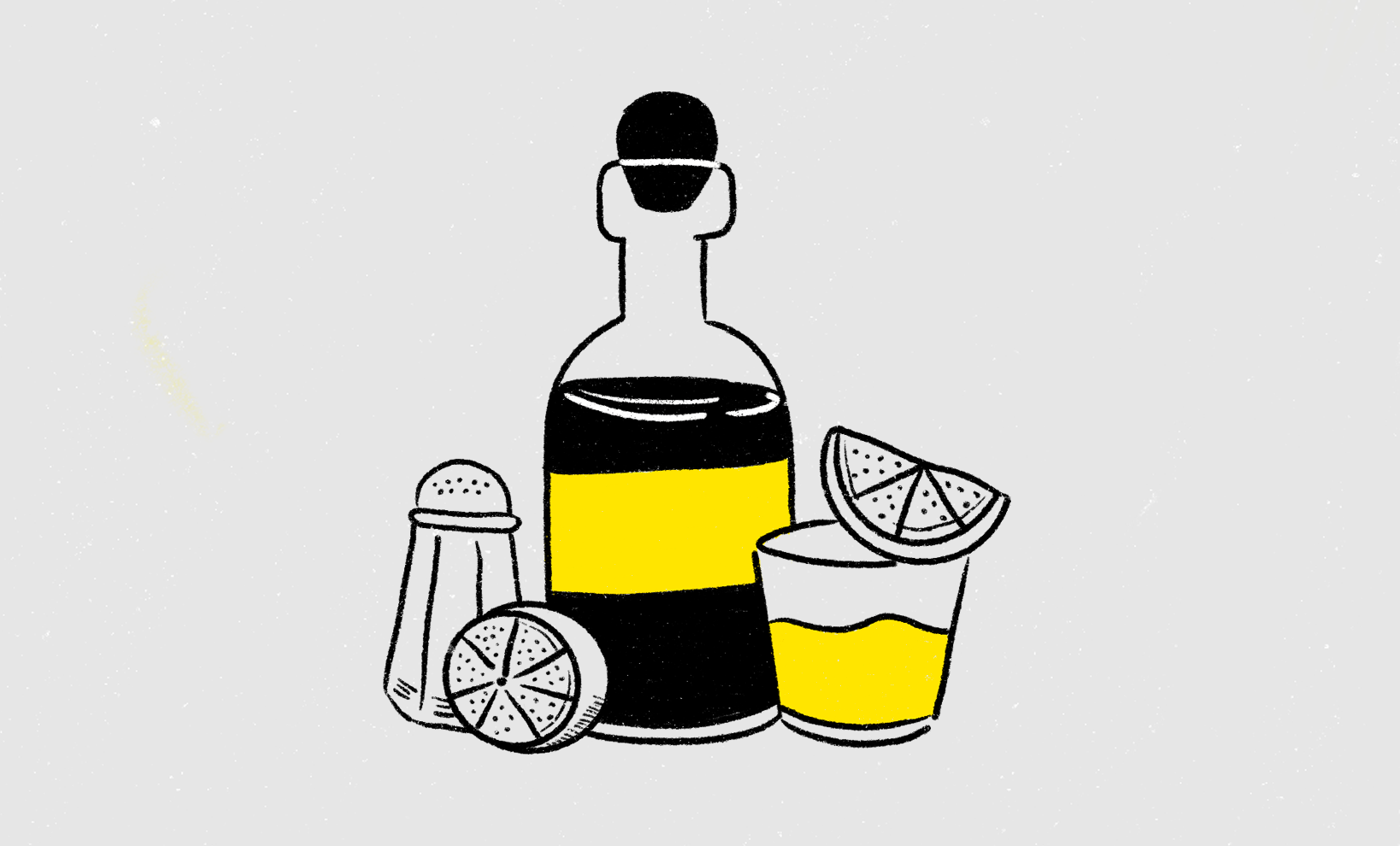
The way we learn to drink tequila can shape what we notice in the glass, and what habit trains us to ignore.
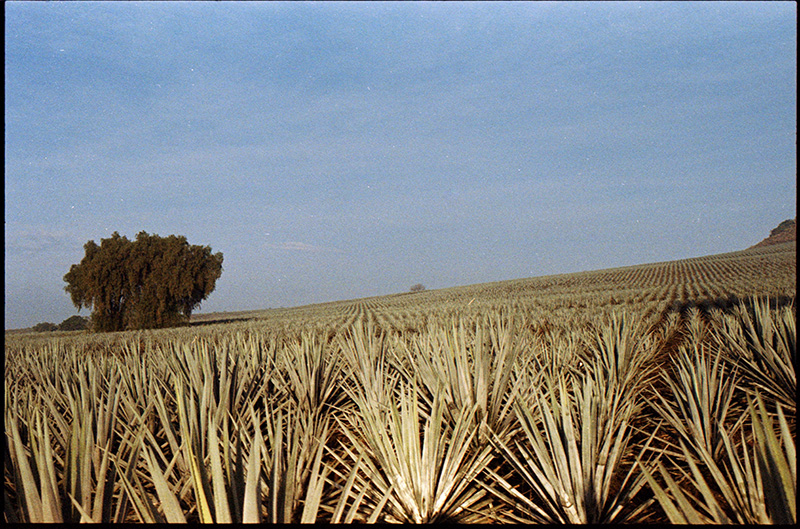
Cheap agave does not erase cost; it delays it, until neglected fields turn a price collapse into an agricultural risk.
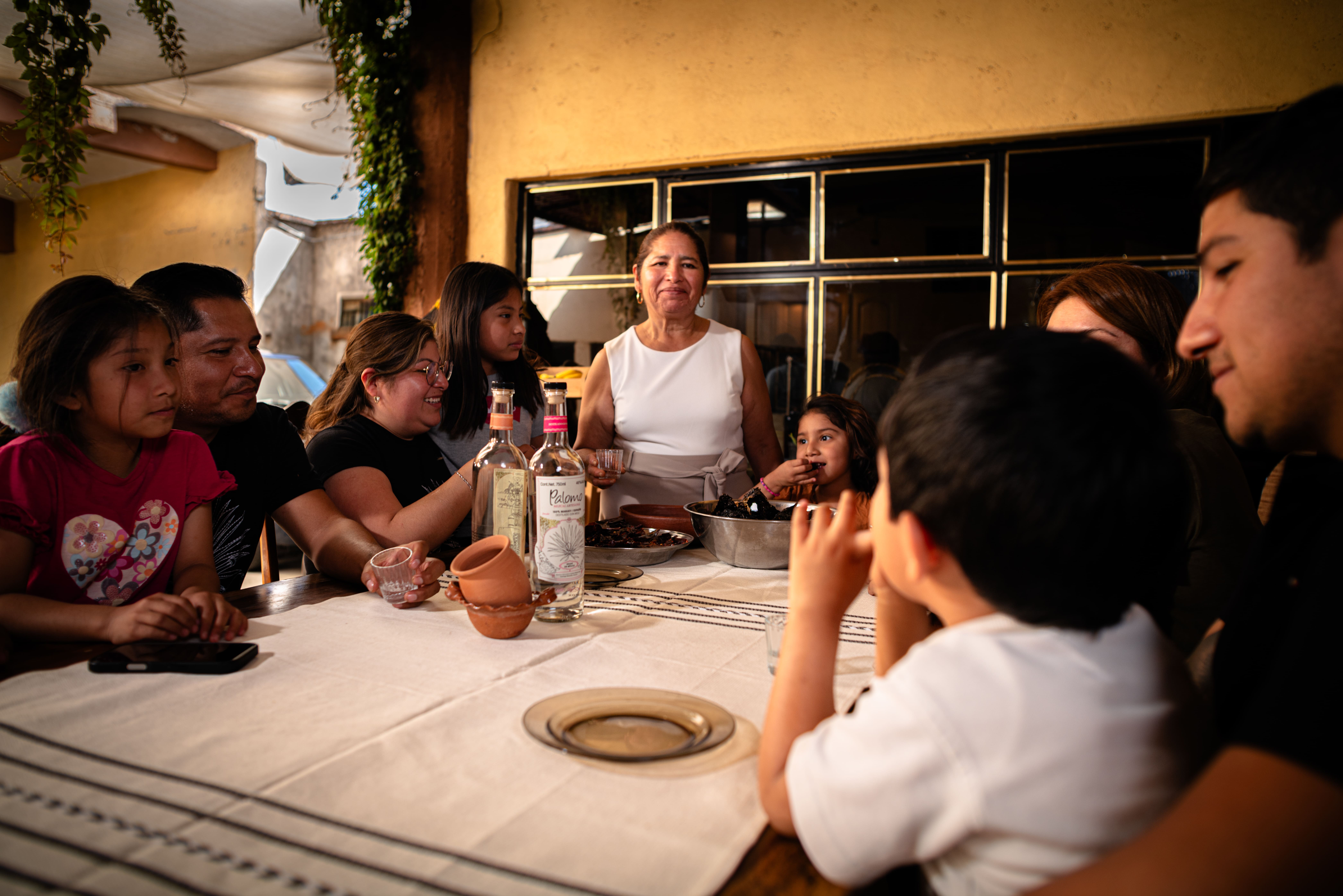
Buying the symbol is celebration; real support begins when the bottle stays connected to its maker.
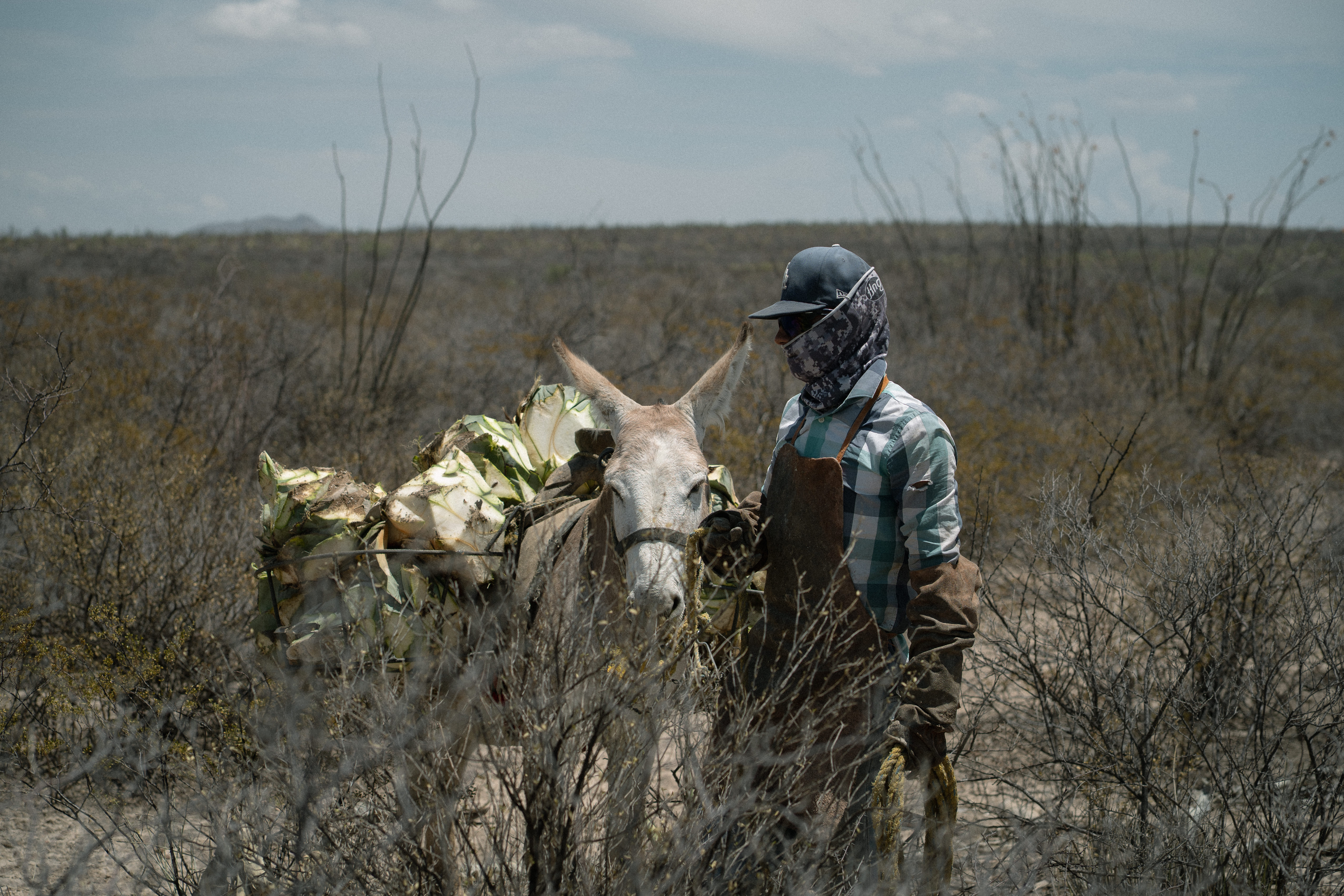
Agave spirits carry more than flavor: they hold memory, land, and forms of resistance against erasure.
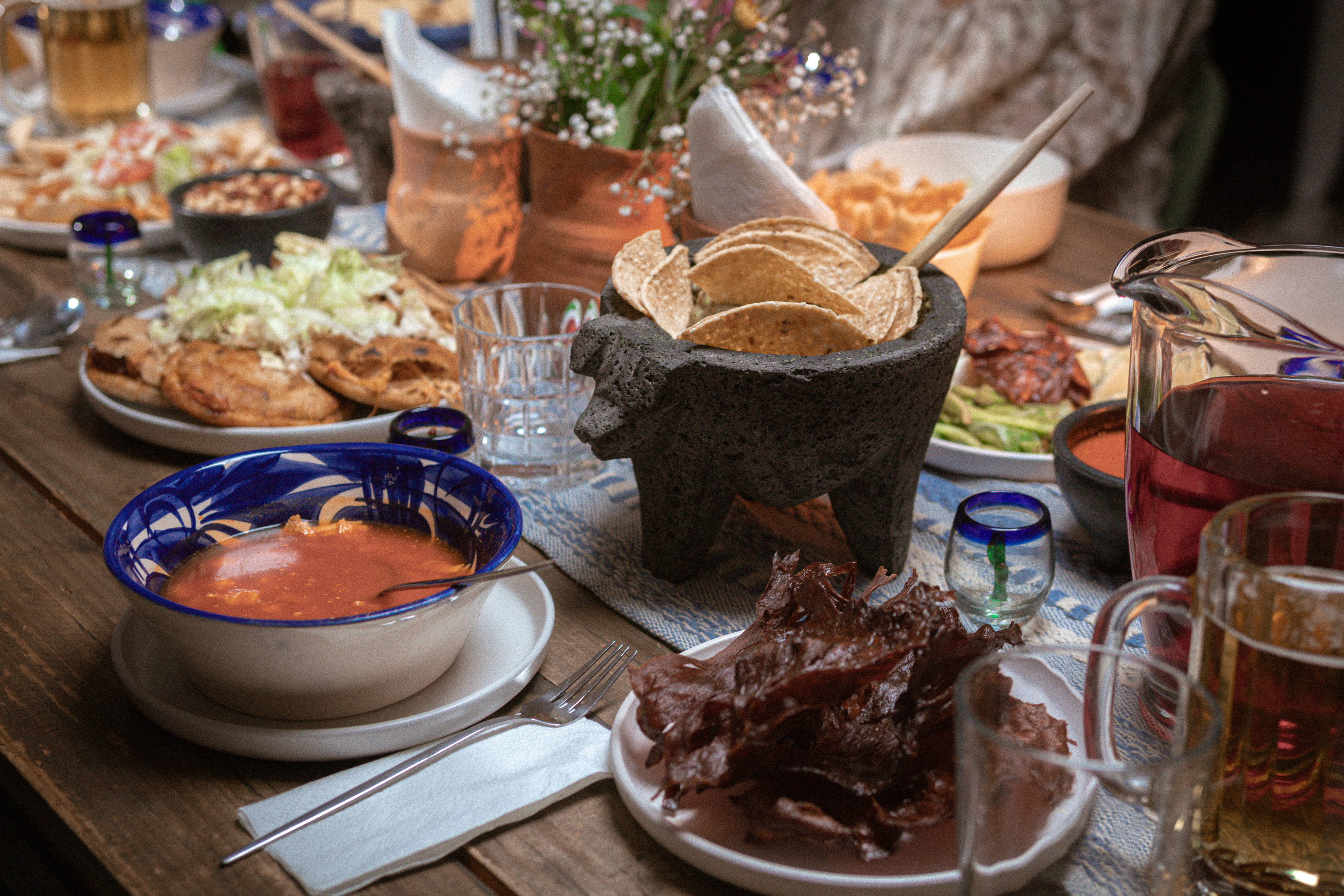
In a month crowded with symbols, representing Mexico responsibly means preserving context, limits, and the living truth behind what becomes visible.

By accessing and using PKGD´s website, you agree to the cookie policy outlined in our privacy notice.
By accessing and using PKGD´s website, you agree to the cookie policy outlined in our privacy notice.















Leave a reply
Lorem ipsum dolor sit amet, consectetur adipiscing elit. Suspendisse varius enim in eros elementum tristique. Duis cursus, mi quis viverra.
Lorem ipsum dolor sit amet, consectetur adipiscing elit. Suspendisse varius enim in eros elementum tristique. Duis cursus, mi quis viverra.