




The Time Before Mezcal
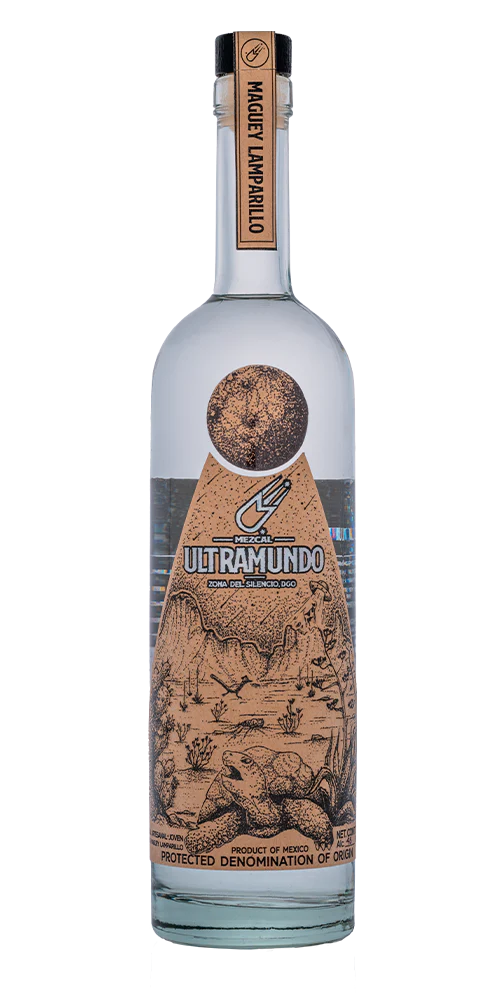
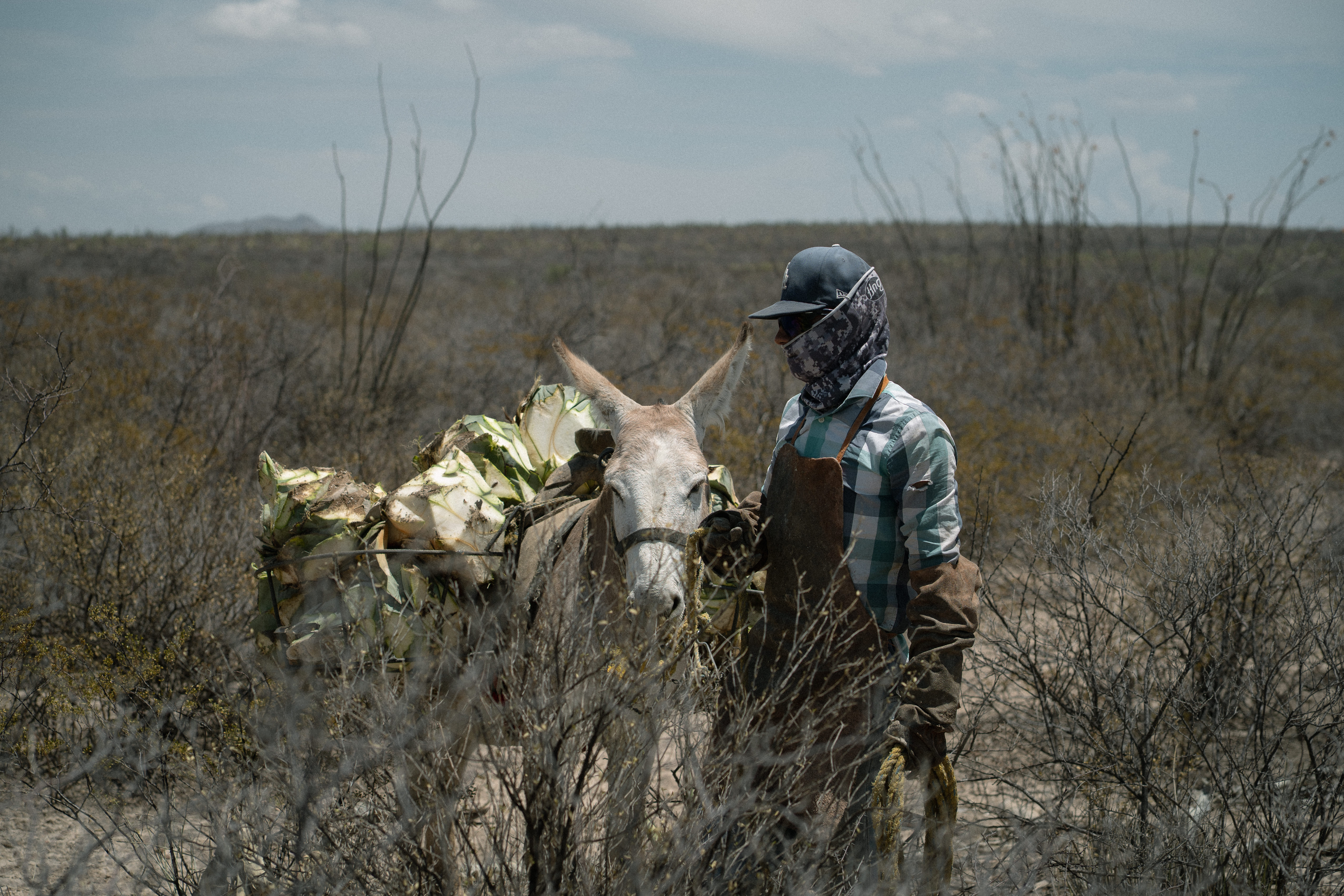
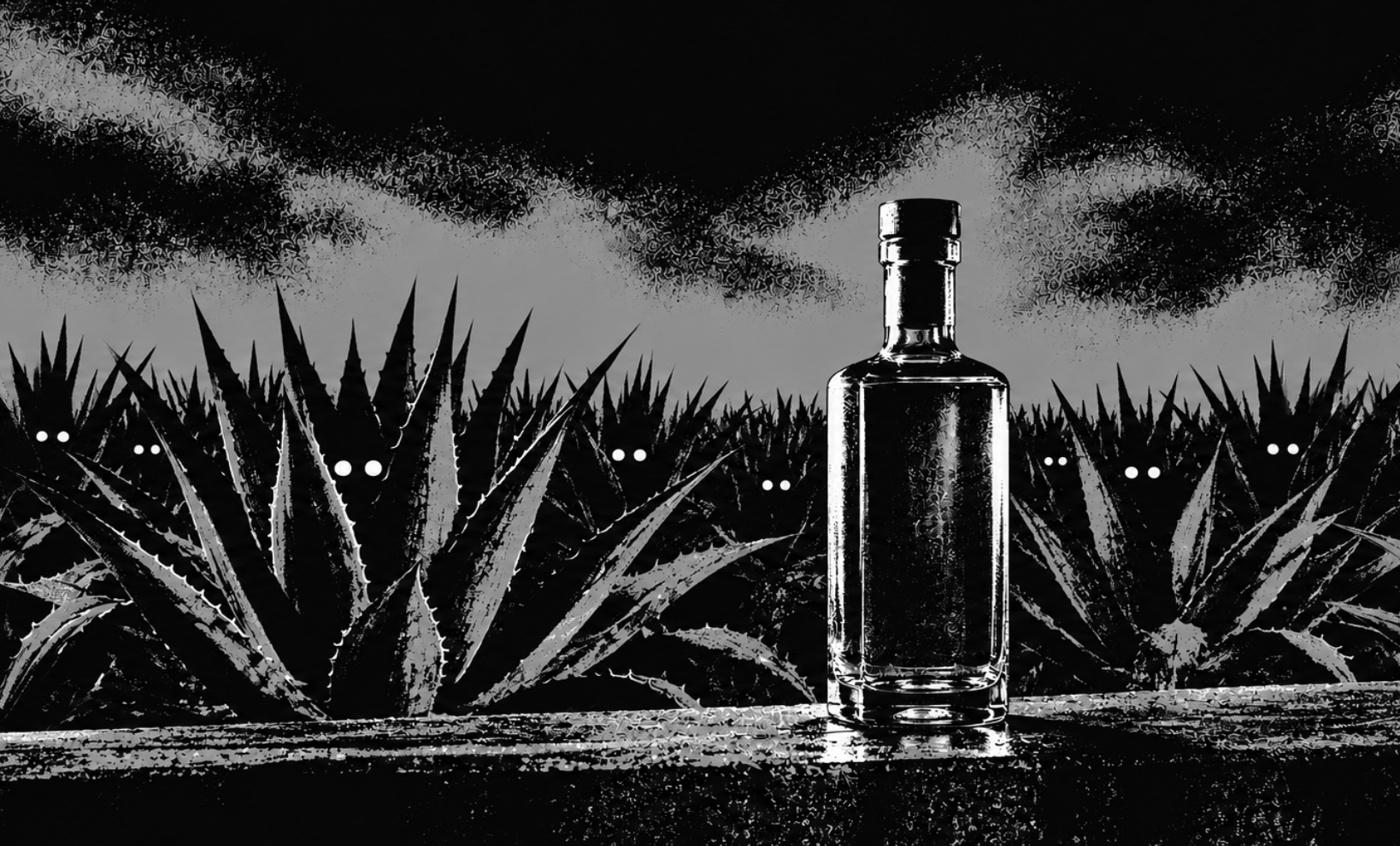
Before becoming mezcal, agave undergoes a long, silent and deeply resilient process. In our case, we work with Asperrima, commonly known as Lamparillo, a distinctive agave endemic to the Chihuahuan Desert and adapted to the most extreme conditions of the region.
It can take up to 20 years to reach maturity. That maturity arrives when it sends out its flowering stalk, the quiote, and dies. It is one of the few plants capable of withstanding prolonged drought, temperatures above 45 degrees Celsius in summer, and frosts down to -10 degrees Celsius during the coldest winters. It is no coincidence that it is the only agave that thrives here. In many ways, it is a super agave that has learned to survive where almost nothing else can.
Its role in the ecosystem is essential. Its root system holds the soil structure together and prevents erosion, one of the most serious environmental problems in the desert. It also produces numerous offshoots that form small vegetative islands. They provide shade to one another, fix nutrients, and create microenvironments where other plants and animals can survive.
I believe all that hardship, all that resistance, ultimately expresses itself in the unique notes of our mezcal.
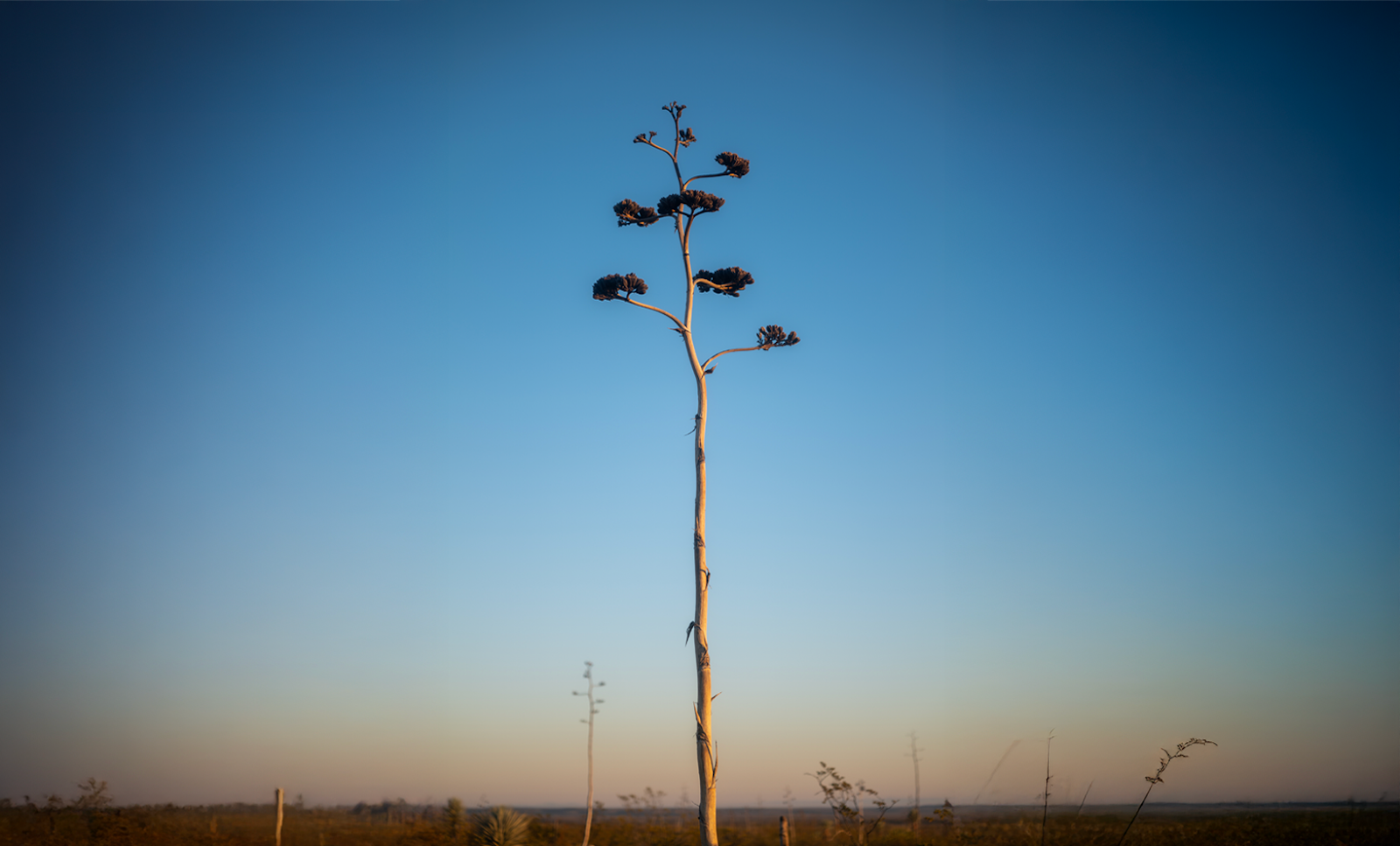
Under normal conditions, Lamparillo produces the quiote when it has reached full maturity. I like to think that when it senses the end approaching, it concentrates all the energy it has stored for years and releases it in one final surge. In just three or four weeks, it can reach four to five meters in height.
This phenomenon coincides with the abrupt temperature shift from the cold winter to the intense heat we call summer, a period that begins in early March and can extend through October.
When the agave sends up the quiote and dies, it leaves behind between 15 and 20 hijuelos. However, we also see cases of premature flowering during particularly extreme years. When the plant perceives that it will not survive another cycle, especially after seasons of insufficient rainfall, it accelerates its flowering. It is a harsh and almost ruthless mechanism of natural selection. Over the centuries, only the fittest have remained.
For me, the quiote represents joy. It is the awakening of the desert and, at the same time, the starting signal for us to begin our work and honor these plants by transforming them into mezcal.
We do not usually measure time in hours of light, but rather in heat hours. Even so, it is evident that the system is completely interconnected. From soil microbiology to insects, plants and predators such as eagles, coyotes and rattlesnakes, everything responds in sequence. It is a natural domino effect.
In recent years, climate patterns have been atypical, with prolonged droughts, rainfall out of season, milder winters and seasonal shifts into months that were once warmer. Last year we experienced an almost catastrophic event. There was virtually no flowering of agaves, nor of other species that share the same season, such as ocotillo, yucca, nopal and cardenche. We have not found previous records of anything similar.
When seasonal cycles are disrupted, the entire desert feels it.
In our region, bats and bees are fundamental allies. We see more bees because bats work at night, and we usually only hear them. Even so, their presence is decisive, and they also help control flies and mosquitos. Hummingbirds are present as well, though in smaller numbers.
For pollinators, the quiote is food. For migratory bats, it represents a strategic stop along a long journey. For the agave, it is the opportunity to reproduce sexually and generate genetic variability, ensuring stronger and more resilient populations.
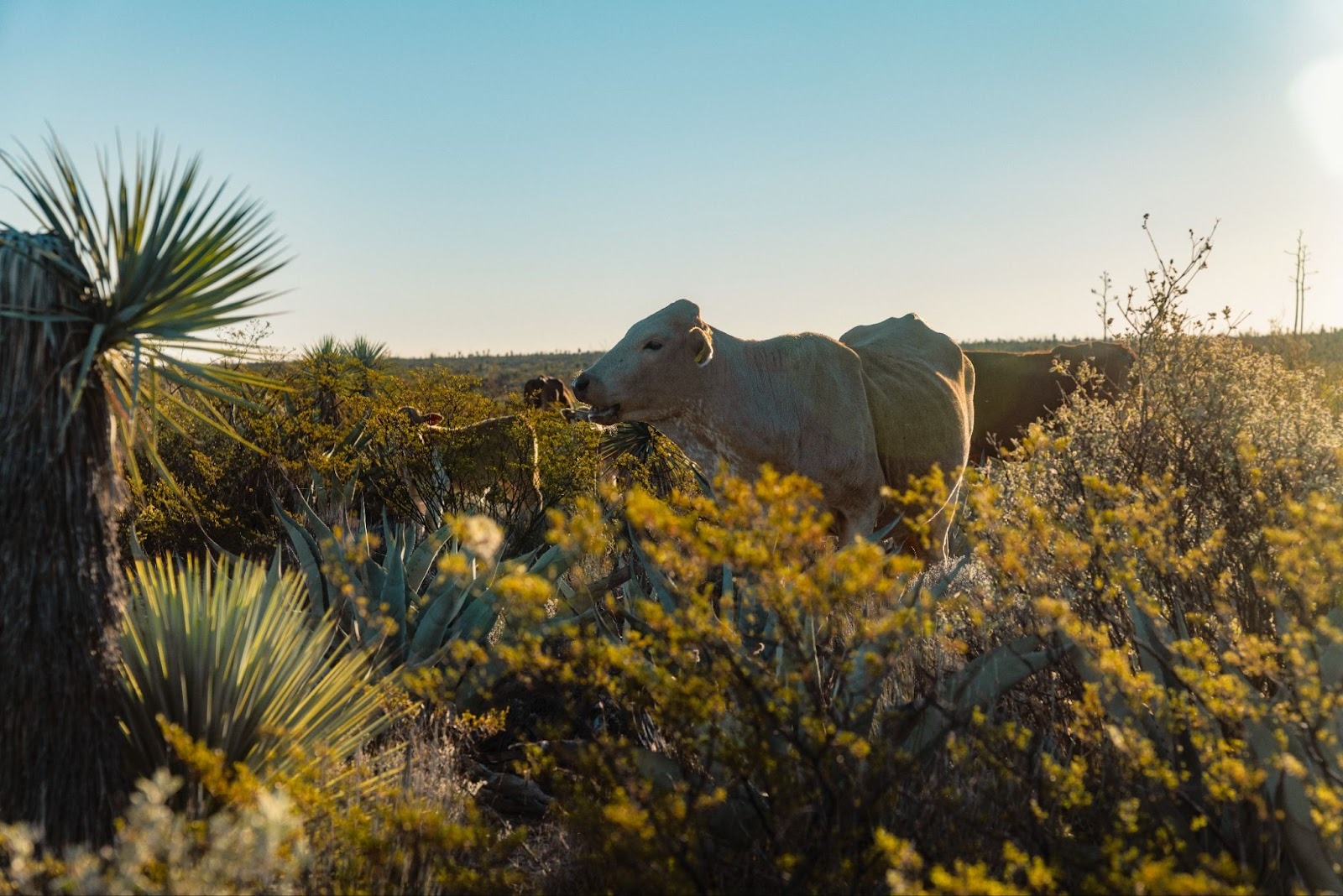
When the quiote dries, its function does not end. It becomes a refuge for woodpeckers and a lookout point for birds of prey such as eagles and hawks. It also feeds wild boars, deer and cattle. Even after it dies, the agave continues to sustain life.
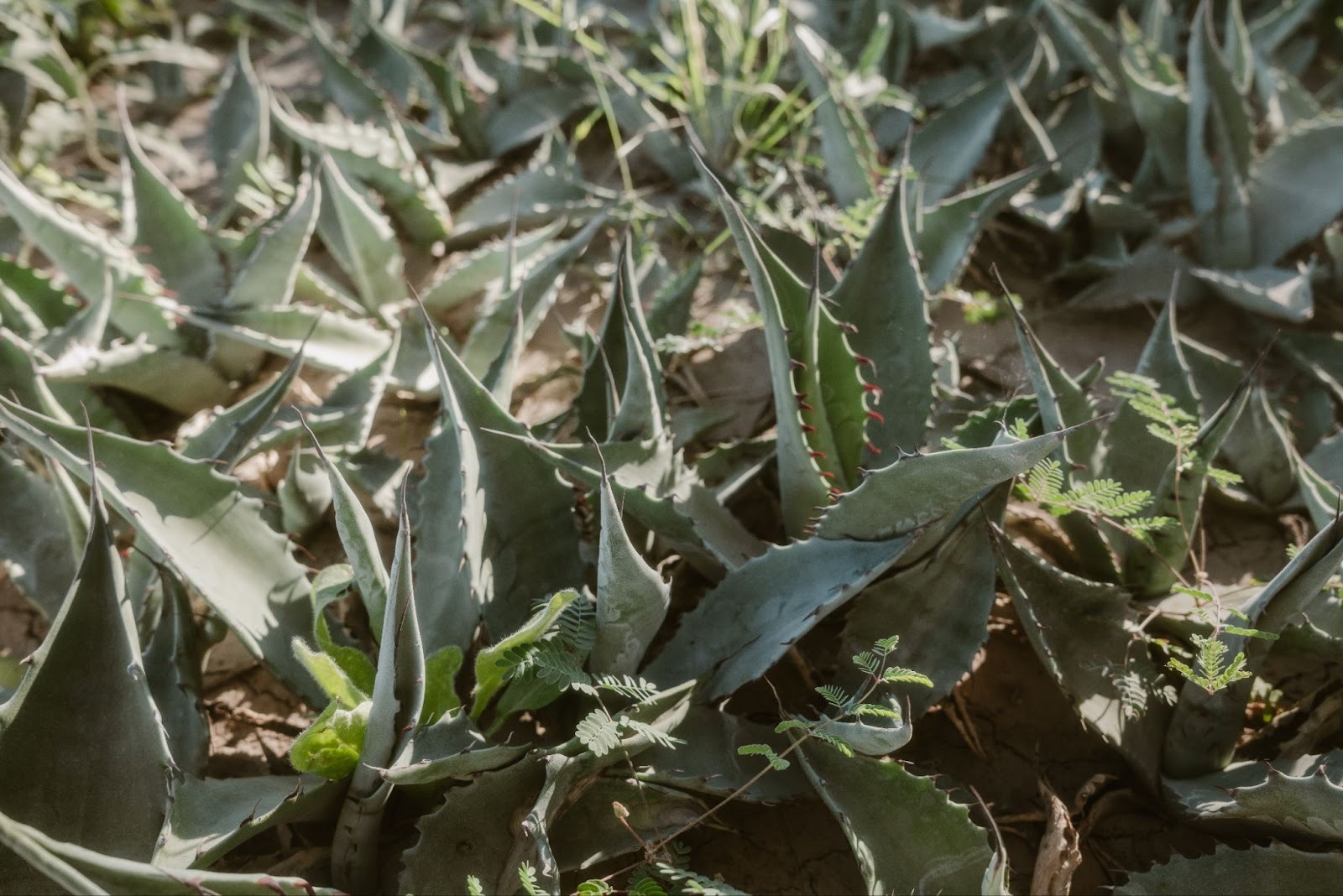
Allowing agaves to flower is not only an ethical conviction, but it is also a regulatory commitment. We comply with the NOM and with our sustainable management program supervised by the Secretaría de Medio Ambiente y Recursos Naturales (SEMARNAT).
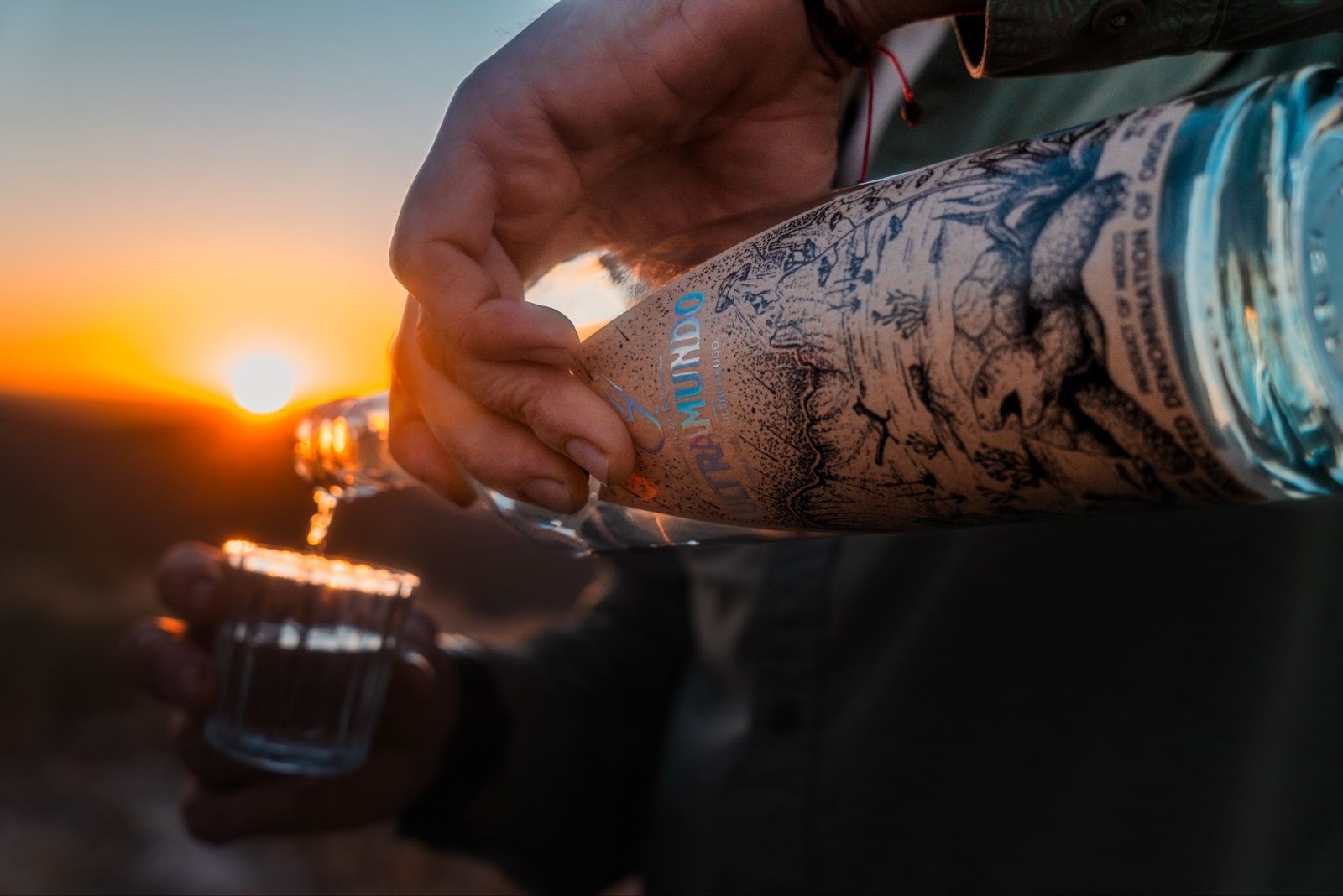
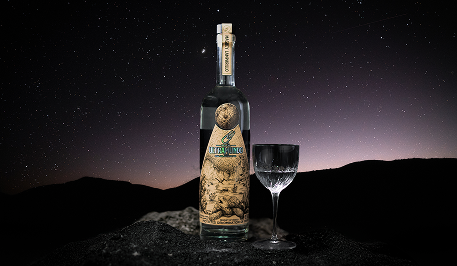
One of the pillars of Ultramundo’s philosophy is to produce mezcal in harmony with biodiversity and with the smallest possible footprint. For that reason, we leave at least 20 percent of our agaves unharvested so they can complete their reproductive cycle.
We are fully aware that our production will never be massive. The limit is determined by the agave population itself. As long as we respect that limit, the endemic species will remain strong.
This decision restricts us in volume but rewards us in character. The plant offers flavors and aromas I have not found in any other natural distillate. Each bottle we produce is, in essence, a limited edition.
We select the best specimens to produce seed, germinate them in our nursery and later reintroduce them into the field. Under natural conditions, the germination rate is close to zero. Reproduction occurs mainly through offshoots. That is why we intervene strategically, relocating plants and strengthening populations.
We see agave as a tool for reforestation in eroded areas and as a way to reverse desertification. Together with regenerative livestock and agricultural practices, it forms part of our environmental mission. We estimate that for every plant we have harvested, we have planted at least four more.
Last year was a clear lesson. We do not control nature, but we do control our decisions. Over the long term, those decisions can contribute to mitigating climate change. As an interesting fact, an equivalent agave population can absorb significantly more carbon than a forest.
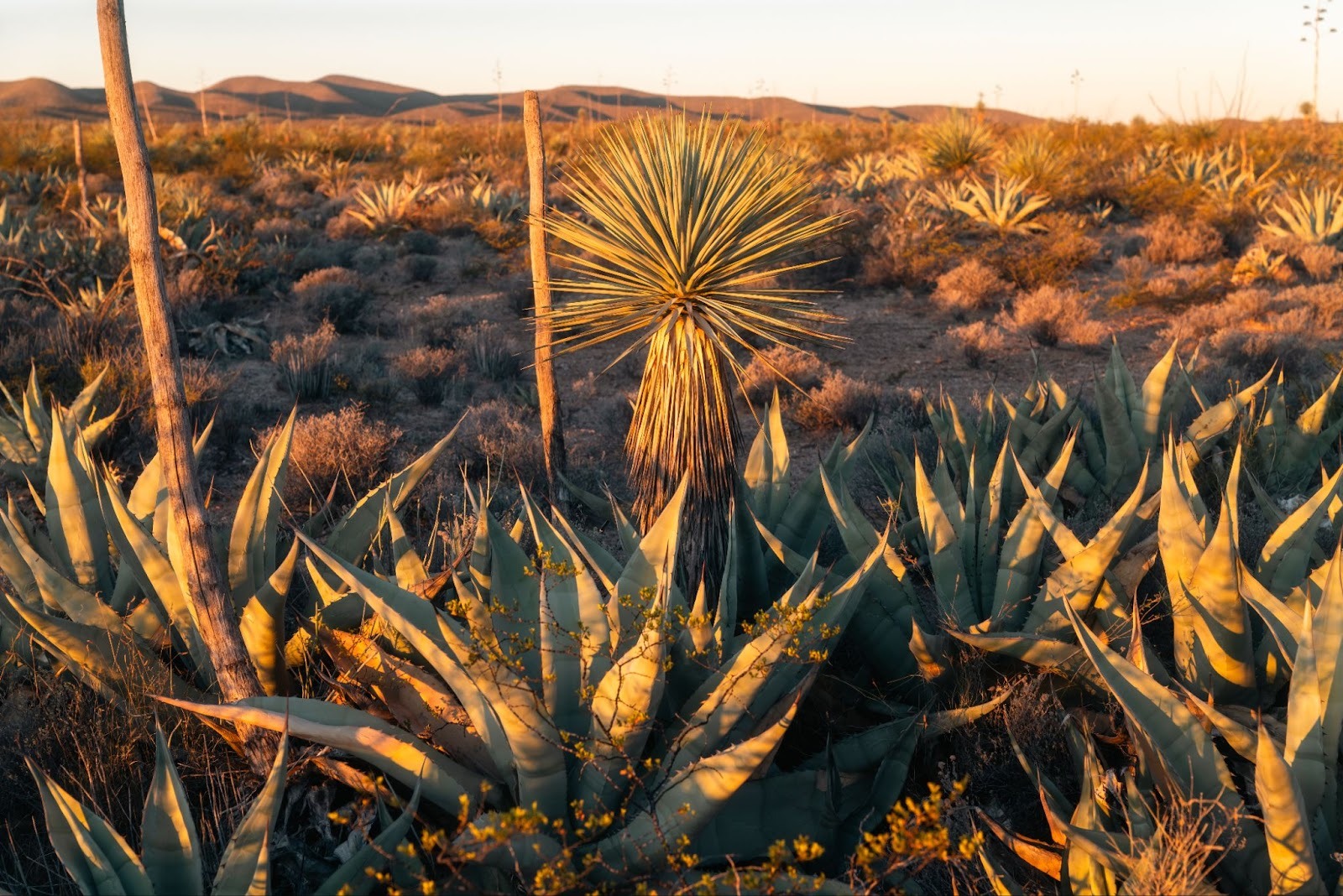
In the desert of Durango, spring is a radical transformation. From an almost monochromatic palette, intense colors emerge: the red of the ocotillo, the white of the palmilla, the yellow of the quiotes, and the purple and pink tones of nopales and cacti.
What seemed still comes alive. Pollinators, hares, coyotes and roadrunners reappear. At night, the sounds of animals break the deep silence of the region.
Personally, I feel an energy of joy that emanates from the earth during this season.
I have observed that spring speaks not only of the present, but also of the past. This year’s desert reflects the rainfall and conditions of the previous cycle. If the year was good, we will see it turn green. What happens today will manifest next year.
This is how we understand time here, as consequence, not as moment.
This article was structured with the assistance of artificial intelligence (ChatGPT). All content is based on human input and editorial oversight. For more details on how PKGD integrates AI responsibly, please refer to our AI Policy.
This article was structured with the assistance of artificial intelligence (ChatGPT). All content is based on human input and editorial oversight. For more details on how PKGD integrates AI responsibly, please refer to our AI Policy.
At PKGD, we continue investing in brand-led storytelling, creating work designed not only to perform, but to build long-term brand equity.

By accessing and using PKGD´s website, you agree to the cookie policy outlined in our privacy notice.
By accessing and using PKGD´s website, you agree to the cookie policy outlined in our privacy notice.






















.jpg)











Leave a reply
Lorem ipsum dolor sit amet, consectetur adipiscing elit. Suspendisse varius enim in eros elementum tristique. Duis cursus, mi quis viverra.
Lorem ipsum dolor sit amet, consectetur adipiscing elit. Suspendisse varius enim in eros elementum tristique. Duis cursus, mi quis viverra.