



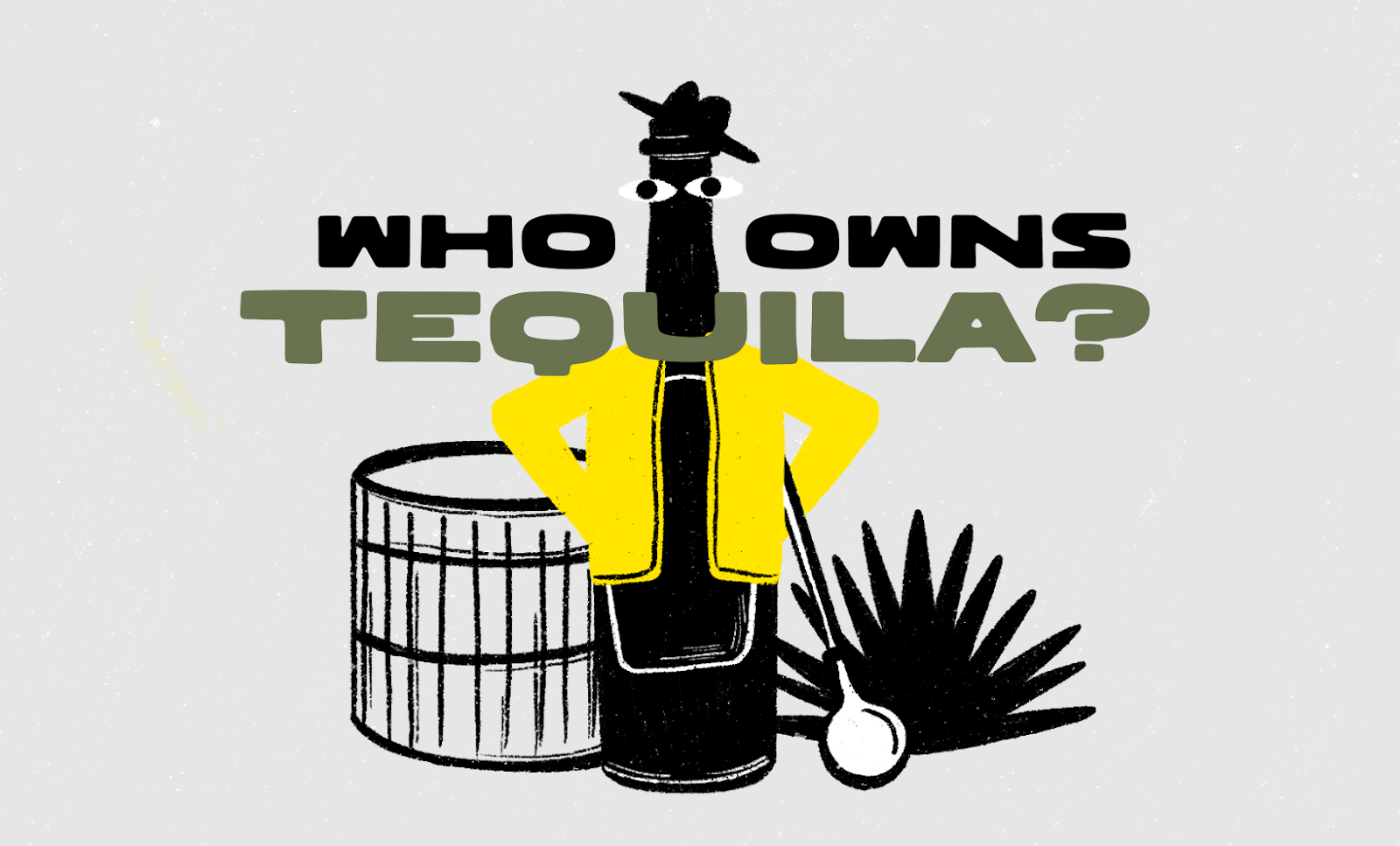
Tequila is in a new era.
For the last decade, the category rode a wave of celebrity, aesthetics, and lifestyle marketing. Beautiful bottles. Famous founders. Cultural cues that signaled Mexico without always explaining Mexico.
Now a different era is arriving. An accountability era.
Recent lawsuits and public debates around labeling, purity, and production claims are not just legal stories. They are signals. They show that consumers, regulators, and trade professionals are starting to ask a deeper question:
Who actually stands behind what is in the bottle?
In tequila, provenance is not a side note. It is the product. Agave takes years to grow. Methods are inherited across generations. Production decisions affect flavor, yield, and quality in ways that cannot be fixed by branding later. When a category is built on agriculture, chemistry, and tradition, storytelling alone cannot carry it forever.
At some point, the liquid has to match the narrative.

Modern spirits marketing is powerful. It can build awareness fast. It can make a new label feel established. It can attach a product to a lifestyle, a celebrity, or a cultural moment.
But marketing does not harvest agave.
Marketing does not decide fermentation times.
Marketing does not choose cuts on a still.
Marketing does not absorb the loss when a batch goes wrong.
Production does.
This is where an important distinction emerges between brand-led tequila and producer-led tequila.
Some brands are built primarily as marketing companies that source liquid. Others are built by families and producers whose names, assets, and reputations are tied directly to the spirit itself. Both models exist legally in tequila. Both can make good products. But they are not the same in incentives, governance, or accountability.
A brand that rents production capacity is often optimized for speed, scale, and story.
A producer who owns their brand is optimized for continuity, method, and legacy.
Those incentives shape behavior.
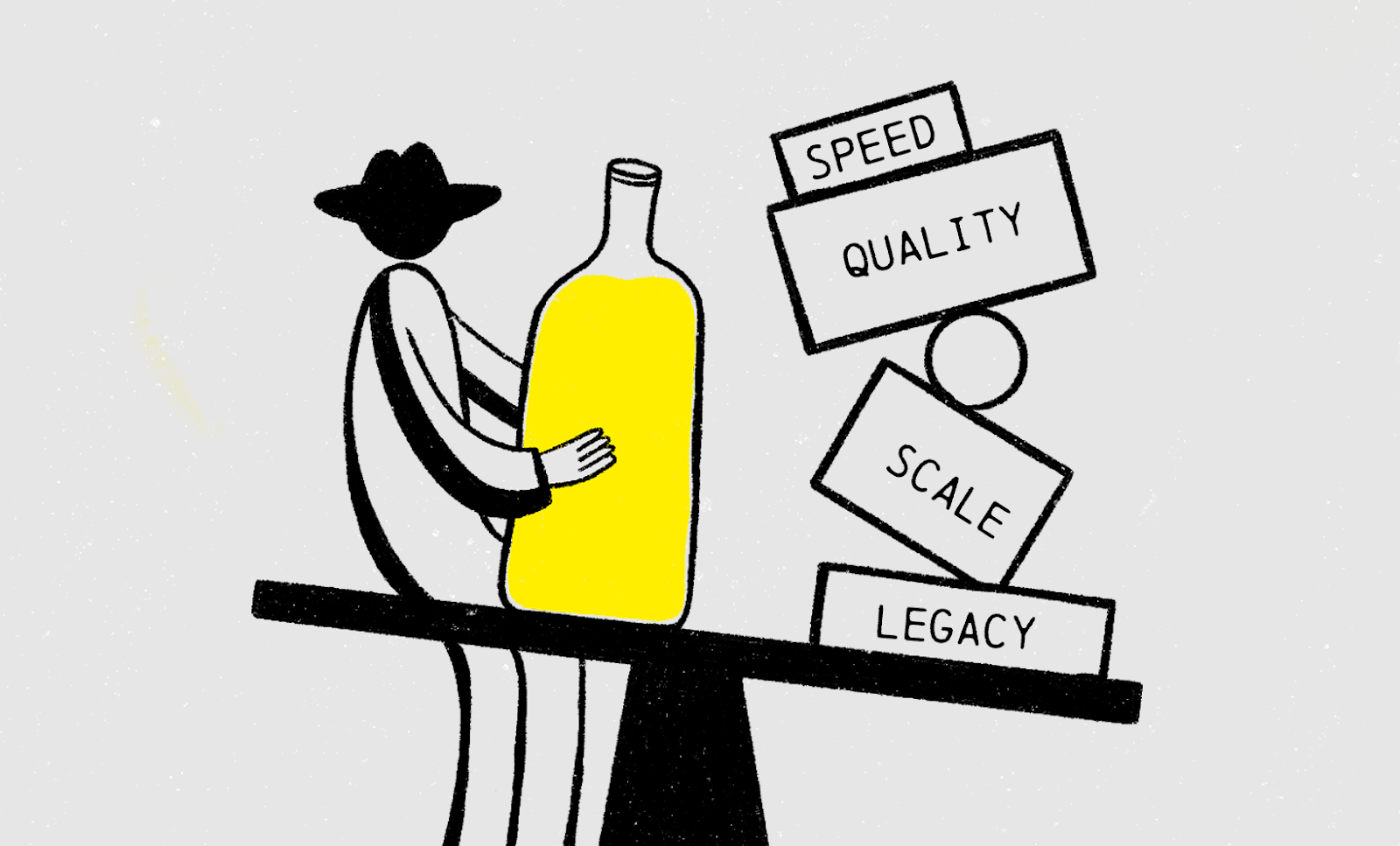
Producer ownership is sometimes framed romantically, but its real importance is practical.
Ownership answers very real questions:
Who has final say over production decisions?
Who decides whether to scale or to hold quality?
Who pays when agave prices spike?
Who carries the reputational risk if claims are challenged?
Who is still there ten or twenty years from now?
When producers own their brands, their last name, their land, and their long-term livelihood are tied to the outcome. Quality is not just a marketing angle. It is risk management and family legacy.
When ownership is distant from production, the feedback loop can weaken. Decisions can be driven more by market timing than by method. That does not automatically mean poor quality, but it does change the pressures that guide the brand.
Consumers deserve to understand that difference.
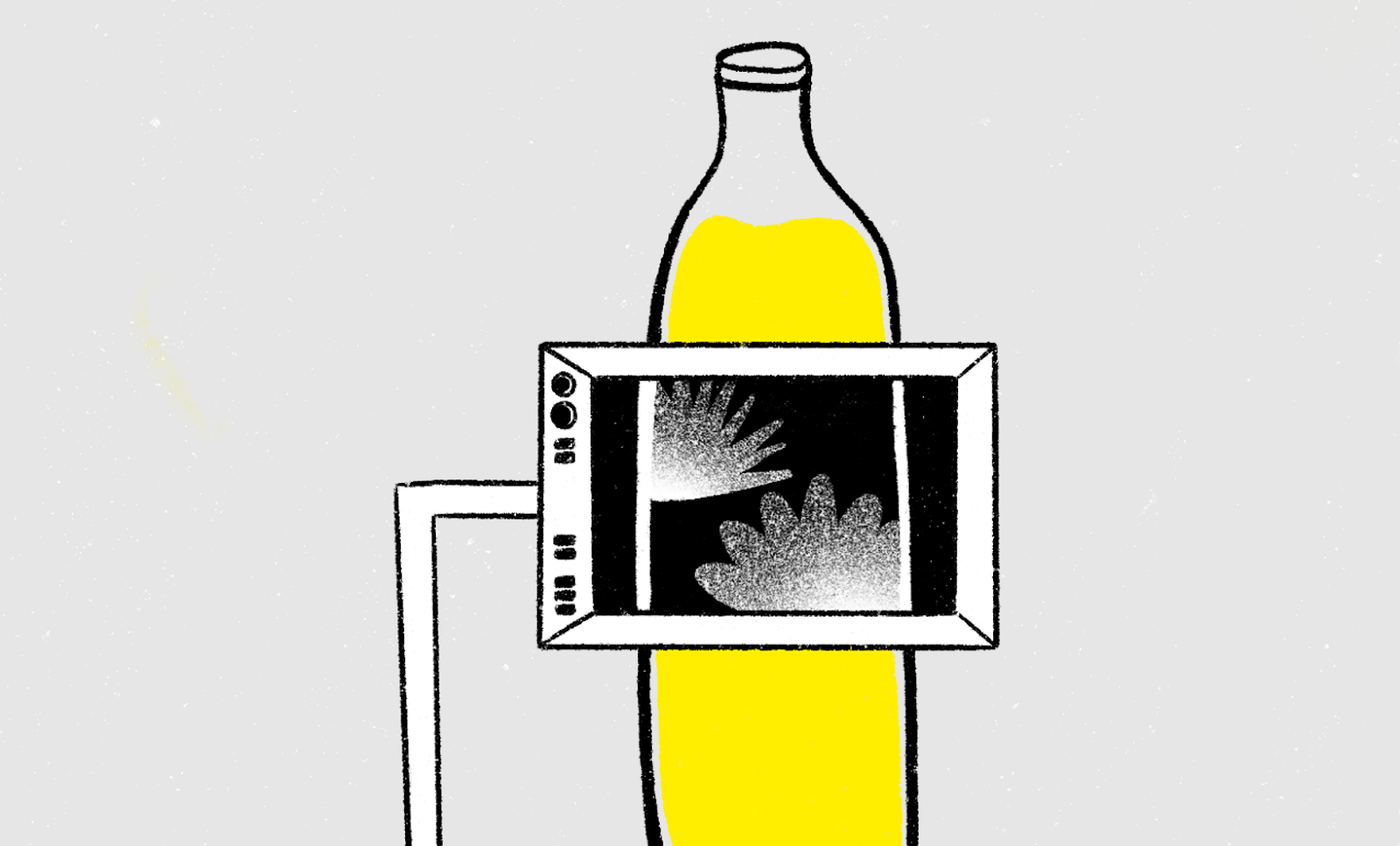
Transparency is sometimes treated like a buzzword. It is not. It is a form of respect.
Respect for the consumer.
Respect for the producer.
Respect for the category.
Transparency does not require revealing every trade secret. It does require clarity about the fundamentals.
Where is it made?
Who produces it?
What does the brand control, and what does it outsource?
What role does the named producer actually play?
How does the brand define quality?
If a brand cannot answer basic questions about its relationship to production, then what it primarily sells is narrative.
There is nothing wrong with good storytelling. Tequila is full of real stories worth telling. The problem appears when the story replaces the substance instead of reflecting it.
The category has heard a familiar line many times now:
“We couldn’t find a tequila we loved, so we made our own.”
In a region filled with multi-generational producers who have dedicated their lives to the craft, that claim can sound less like innovation and more like amnesia. Great tequila did not suddenly appear when celebrities and capital arrived. It was already here, built patiently by families who rarely had PR teams to tell their stories.
The tequila boom created enormous opportunity. It also created shortcuts.
When capital flows quickly into a category, some players are rewarded more for attention than for excellence. Packaging can be scaled faster than agriculture. Public relations can be scaled faster than agave maturity. Influencer campaigns can be scaled faster than generational knowledge.
That mismatch creates tension.
Decorative cultural branding becomes fragile when scrutiny increases. Cultural signals without deep participation in the culture can feel hollow. Visual references to heritage without structural ties to producers can raise questions.
This is not about rejecting modern brands or new entrants. New energy is good for the category. Growth is good for producers. Global interest in tequila is good for Mexico.
The issue is alignment.
If the rewards in the system favor image over integrity, the category drifts. If the rewards favor transparency and producer visibility, the category strengthens.
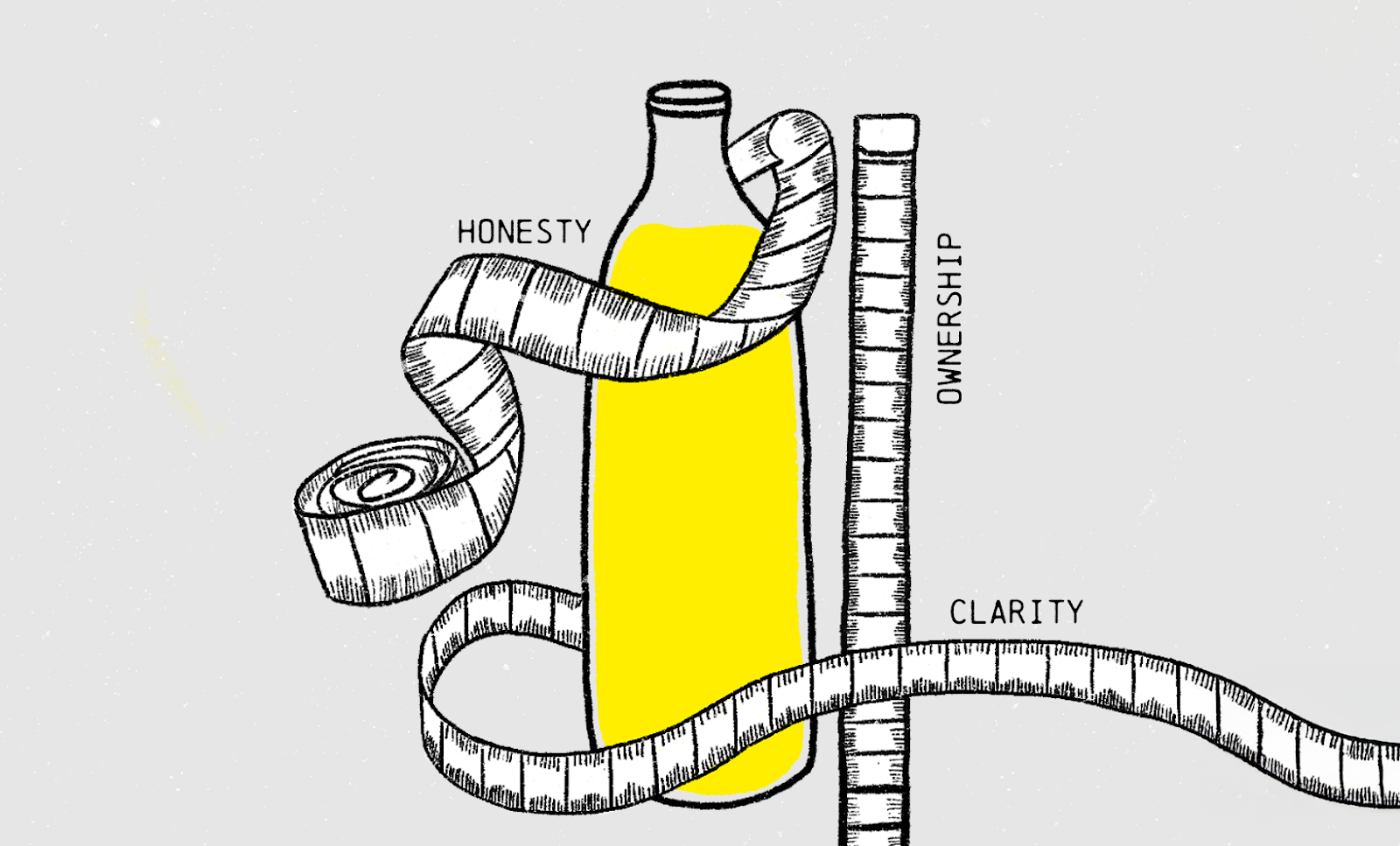
A more mature tequila market needs a clearer standard. Not a legal one. A cultural one.
A simple set of expectations could look like this:
These are not radical demands. They are signals of respect.
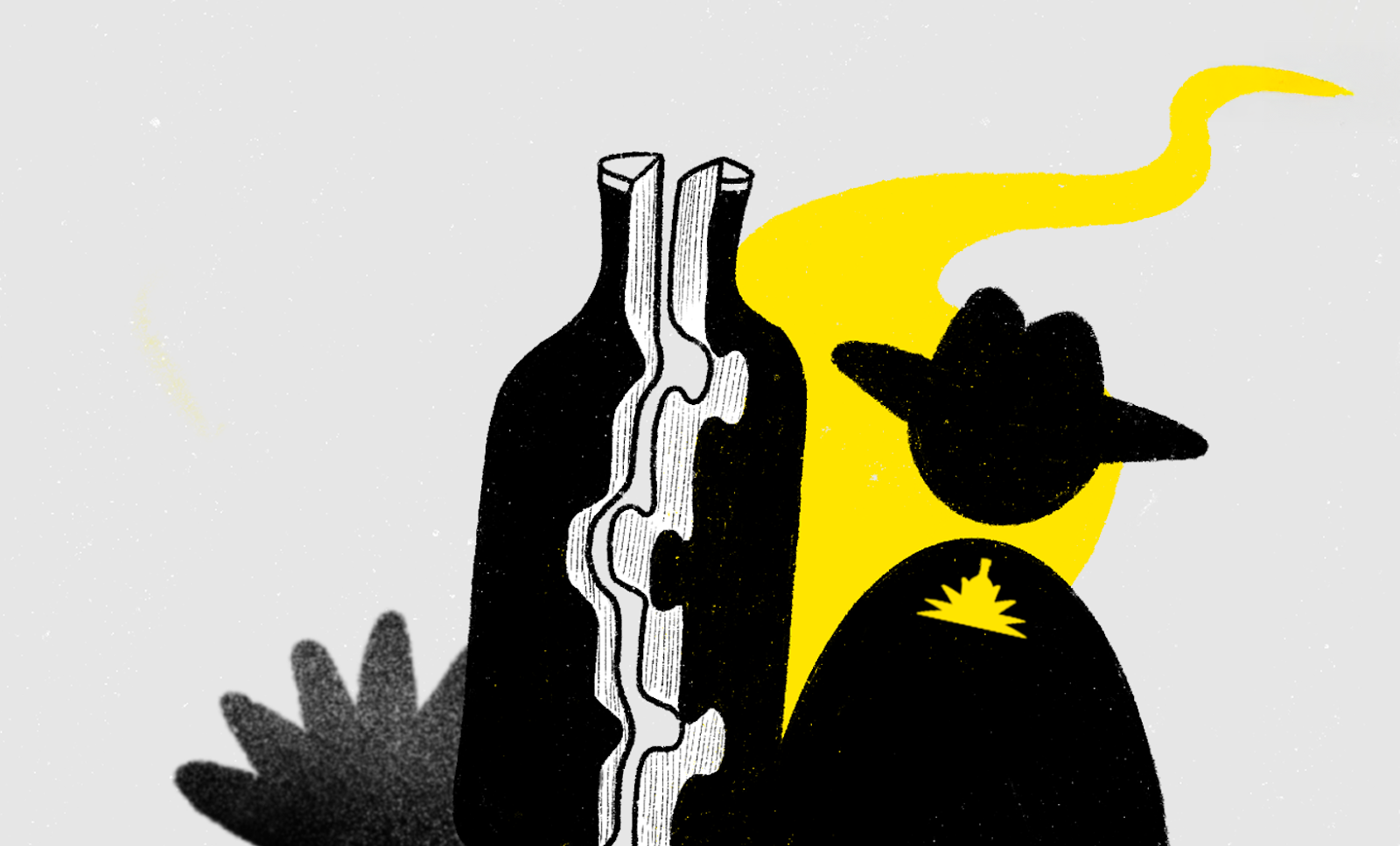
At PKGD, we are clear about one thing: We do not make tequila. Producers make tequila.
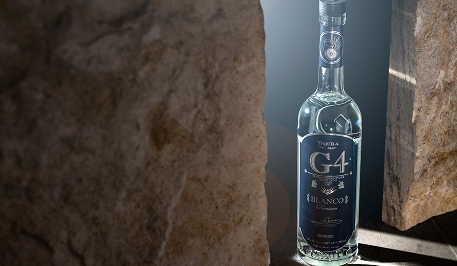
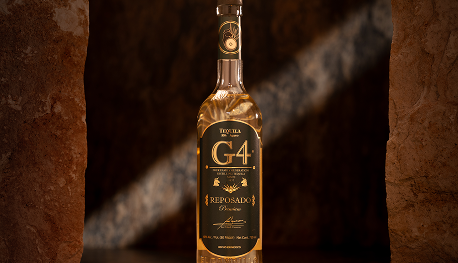
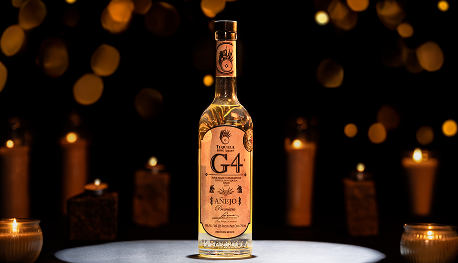
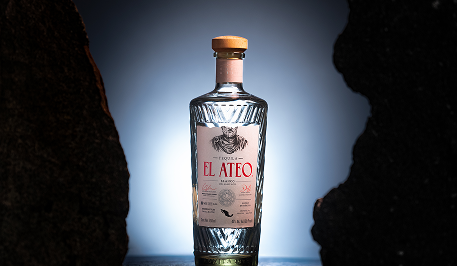
Our role is partnership, amplification, and market-building. We work with families and producer-owned brands whose names and futures are tied to their liquid. We believe the people who create the spirit should not be invisible in the story of that spirit.
This is not moral superiority. It is a business philosophy.
Producer ownership creates accountability.
Transparency builds trust.
Trust sustains a category in the long term.
Tequila does not need less storytelling. It needs more truthful storytelling. It needs stories where the people behind the craft are visible and where the structure behind the brand matches the message on the label.
The tequila category is strong. Its future can be even stronger if consumers reward clarity and substance over mystery and decoration.
In the end:
A label cannot ferment agave.
A photoshoot cannot distill tequila.
A celebrity cannot age tequila faster.
A narrative cannot replace a producer.
The question that will matter more and more is simple:
Who owns the tequila?
This article was structured with the assistance of artificial intelligence (ChatGPT). All content is based on human input and editorial oversight. For more details on how PKGD integrates AI responsibly, please refer to our AI Policy.
This article was structured with the assistance of artificial intelligence (ChatGPT). All content is based on human input and editorial oversight. For more details on how PKGD integrates AI responsibly, please refer to our AI Policy.
At PKGD, we continue investing in brand-led storytelling, creating work designed not only to perform, but to build long-term brand equity.

By accessing and using PKGD´s website, you agree to the cookie policy outlined in our privacy notice.
By accessing and using PKGD´s website, you agree to the cookie policy outlined in our privacy notice.













Leave a reply
Lorem ipsum dolor sit amet, consectetur adipiscing elit. Suspendisse varius enim in eros elementum tristique. Duis cursus, mi quis viverra.
Lorem ipsum dolor sit amet, consectetur adipiscing elit. Suspendisse varius enim in eros elementum tristique. Duis cursus, mi quis viverra.