





A drink, a myth, a smoky mess of identity crisis.
The Cocktail Conundrum
You’re sipping a mezcal margarita and thinking you’re doing it right. Somewhere in Oaxaca, someone just fainted. In the U.S., mezcal is climbing cocktail menus as the next exotic twist, a smoky little cousin to tequila. But back in Mexico, mixing it is nearly sacrilegious. Mezcal is not a mixer. It's a ritual. It’s taken neat, slowly, often in silence, or at least with reverence. To some, pouring it into a shaker with lime juice and ice cubes is the spiritual equivalent of blending holy water with Red Bull.
But don’t worry. You’re not alone in the confusion. Confusion might be the only honest way to approach mezcal.

Is It Smoky Tequila? Is It Magic? Is It Both?
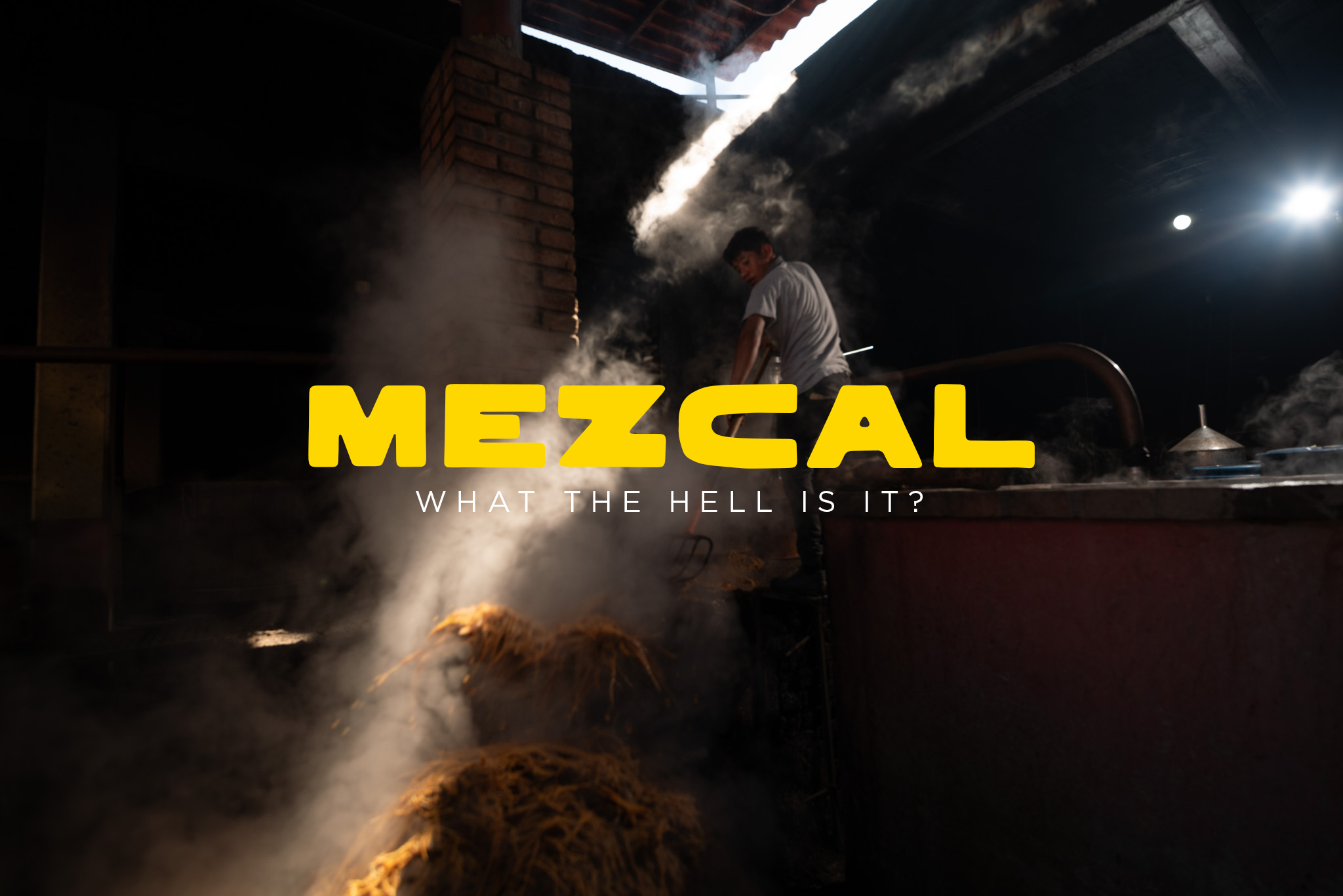
If you ask someone who’s tried mezcal once, they might say, "Oh yeah, that smoky stuff." But here's the twist: not all mezcal is smoky. Some are floral, herbal, sweet, funky, buttery, or taste like wet earth after a thunderstorm. The smoke thing? That comes from how many mezcales are traditionally cooked—roasting agave hearts in underground pits. But not all producers do it that way. Some use above-ground ovens, steam, or other techniques.
Still, the “smoky tequila” label sticks like a lazy nickname. And that single descriptor has overshadowed the hundreds of distinct flavor profiles that mezcal offers. It’s like calling every wine "grape juice with vibes."

All Agave Spirits Are Mezcales… Except When They’re Not
Here’s a riddle: mezcal means "cooked agave." So technically, tequila is mezcal. So is raicilla. And bacanora. Even sotol gets tossed into the mix, and that one isn’t even made from agave. But then you have Denominations of Origin, which say: nope, mezcal is only from these regions, made in this way, under these rules.
So what do we do with centuries of tradition that say otherwise? In Michoacán or Guerrero, mezcal has meant something different than it does in Oaxaca. Families have passed down recipes and rituals for generations, with zero regard for modern bureaucratic definitions.
So is everything mezcal? Is nothing mezcal? Depends who you ask. Depends what you're drinking. Depends where you are.
Welcome to the mezcal identity crisis.

The Impossible Definition
Try to define mezcal and you will fail. You can describe it—sure. It’s an agave distillate, traditionally handcrafted, often ancestral in method, earthy in soul. But the moment you start laying down rules, you run into exceptions. Mezcal is wild. Sometimes literally: wild agaves, wild yeasts, wild fermentation. It refuses to be tamed.
You could say mezcal is about place, but then there are mezcales made in the same village that taste completely different. You could say it’s about method, but two mezcaleros with the same tools will make wildly different spirits.
Trying to pin down mezcal is like trying to describe a dream after waking up. You remember the feeling, the echo, the mystery. That’s mezcal.

You Don’t Need to Define It. You Just Need to Respect It.
In the end, maybe mezcal isn’t meant to be understood. Not fully. It’s meant to be felt. It’s meant to slow you down, to make you taste carefully, to remind you that not everything fits in a bottle with a clean label.
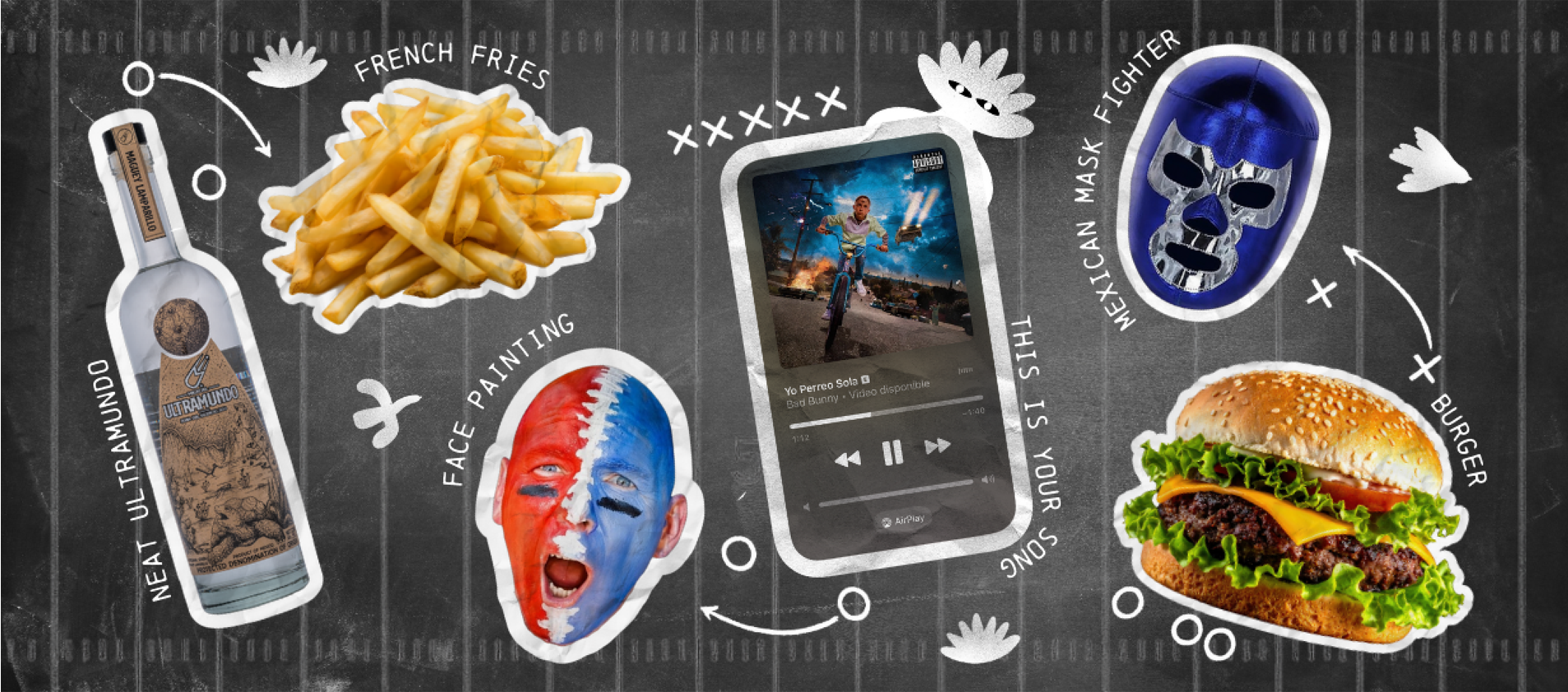
So go ahead, drink your mezcal margarita. But one day, promise yourself this: try it neat. Let it hit your tongue without noise, without lime, without ice. Let it confuse you. Let it change. That’s when you’ll get it.
Or not. And that’s okay too.
This article was structured with the assistance of artificial intelligence (ChatGPT). All content is based on human input and editorial oversight. For more details on how PKGD integrates AI responsibly, please refer to our AI Policy.
This article was structured with the assistance of artificial intelligence (ChatGPT). All content is based on human input and editorial oversight. For more details on how PKGD integrates AI responsibly, please refer to our AI Policy.
At PKGD, we continue investing in brand-led storytelling, creating work designed not only to perform, but to build long-term brand equity.
This article was structured with the assistance of artificial intelligence (ChatGPT). All content is based on human input and editorial oversight. For more details on how PKGD integrates AI responsibly, please refer to our AI Policy.
Four producers reveal what cannot be sacrificed if a spirit is to remain fully itself.
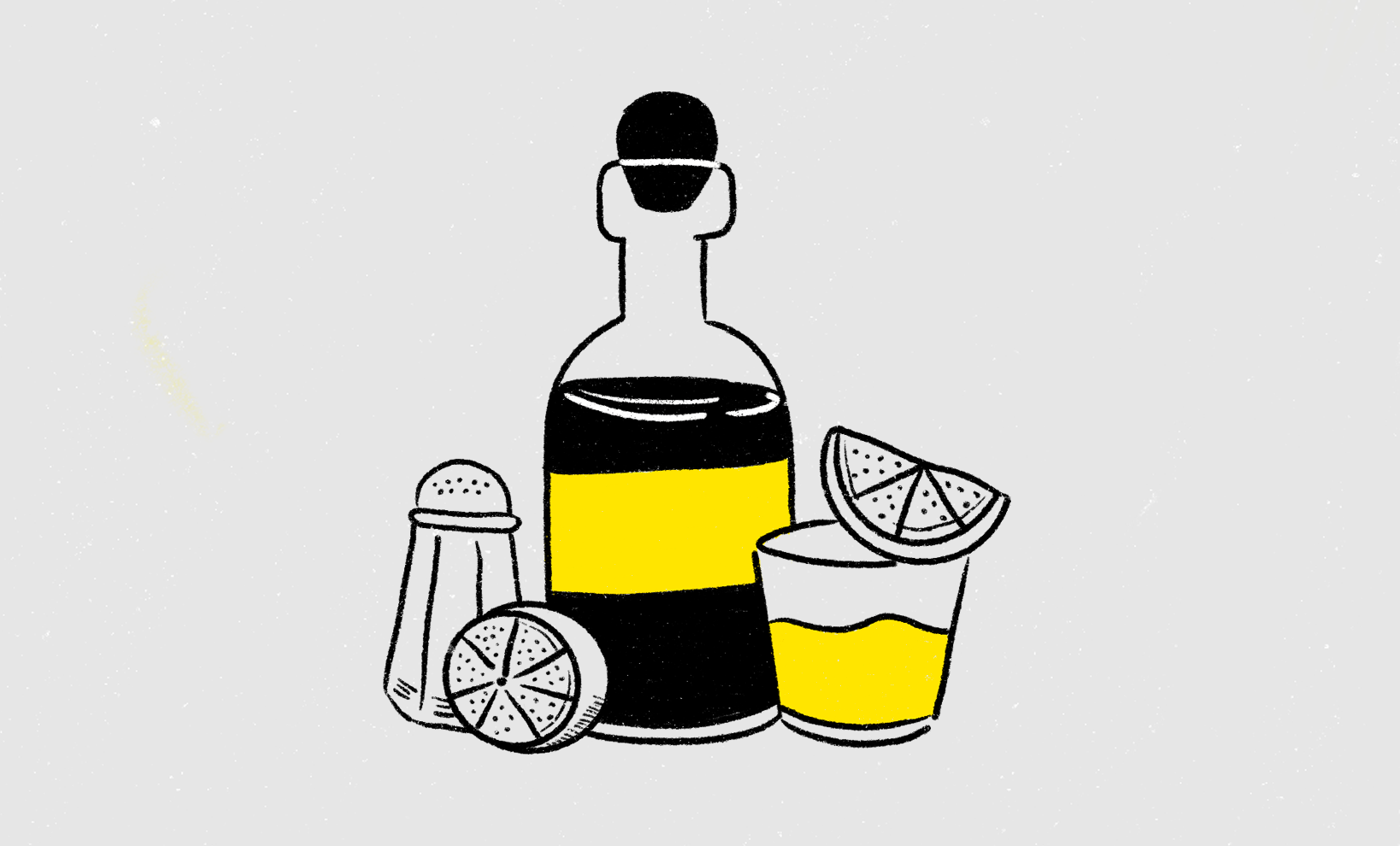
The way we learn to drink tequila can shape what we notice in the glass, and what habit trains us to ignore.
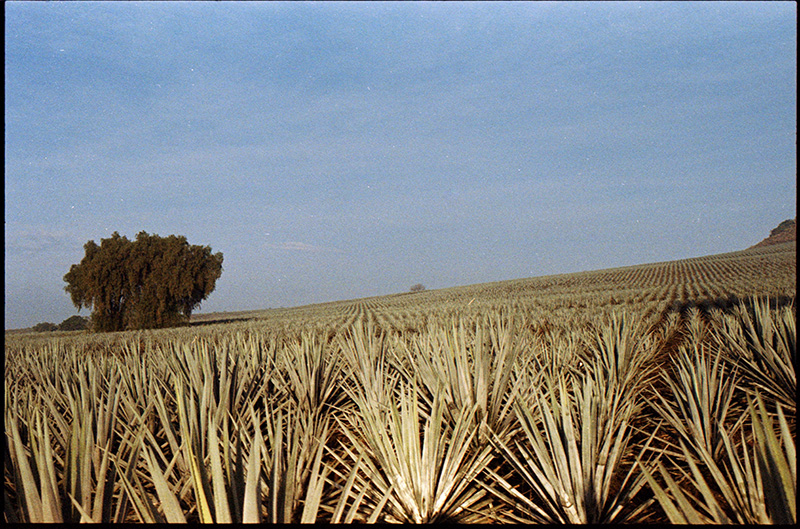
Cheap agave does not erase cost; it delays it, until neglected fields turn a price collapse into an agricultural risk.
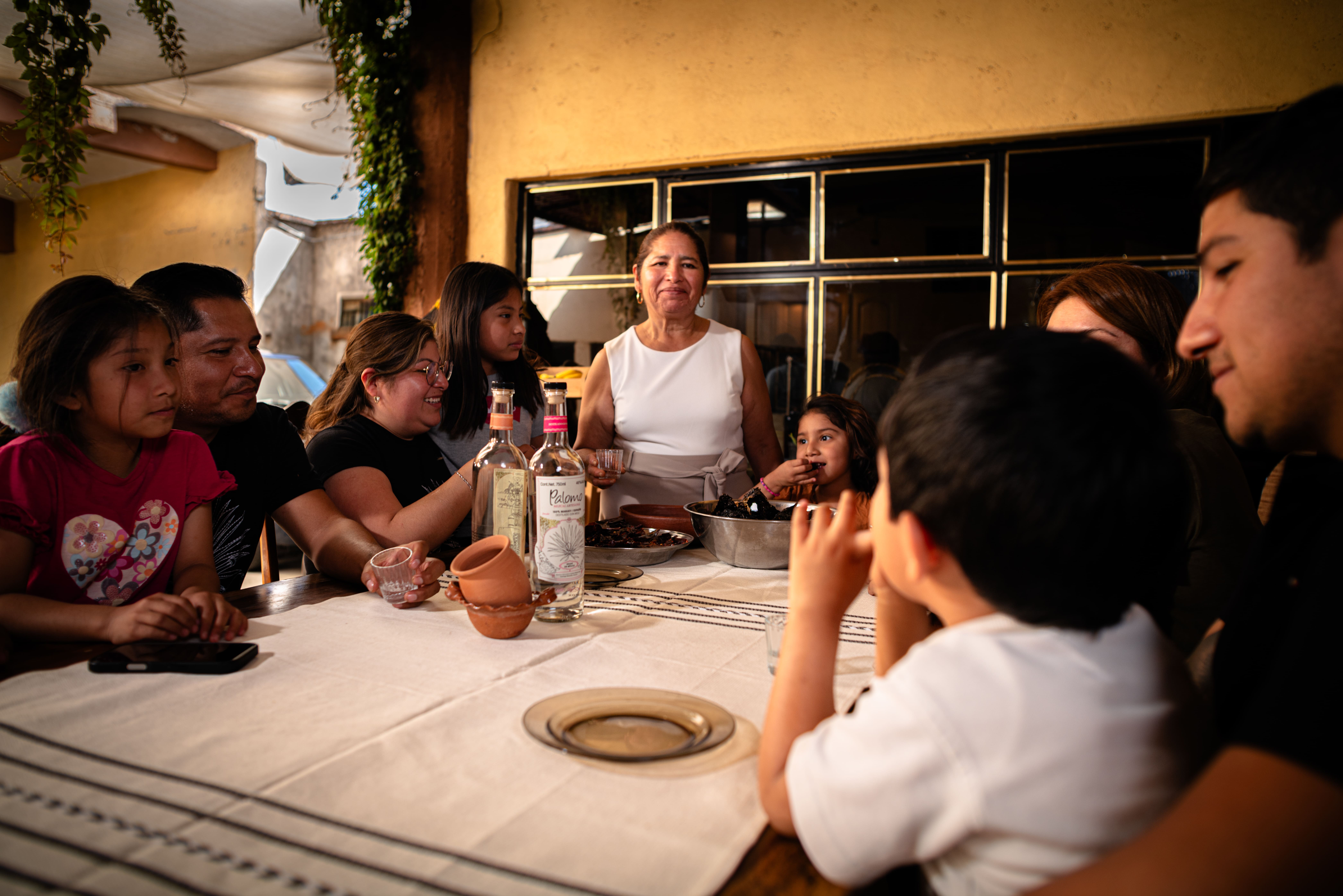
Buying the symbol is celebration; real support begins when the bottle stays connected to its maker.
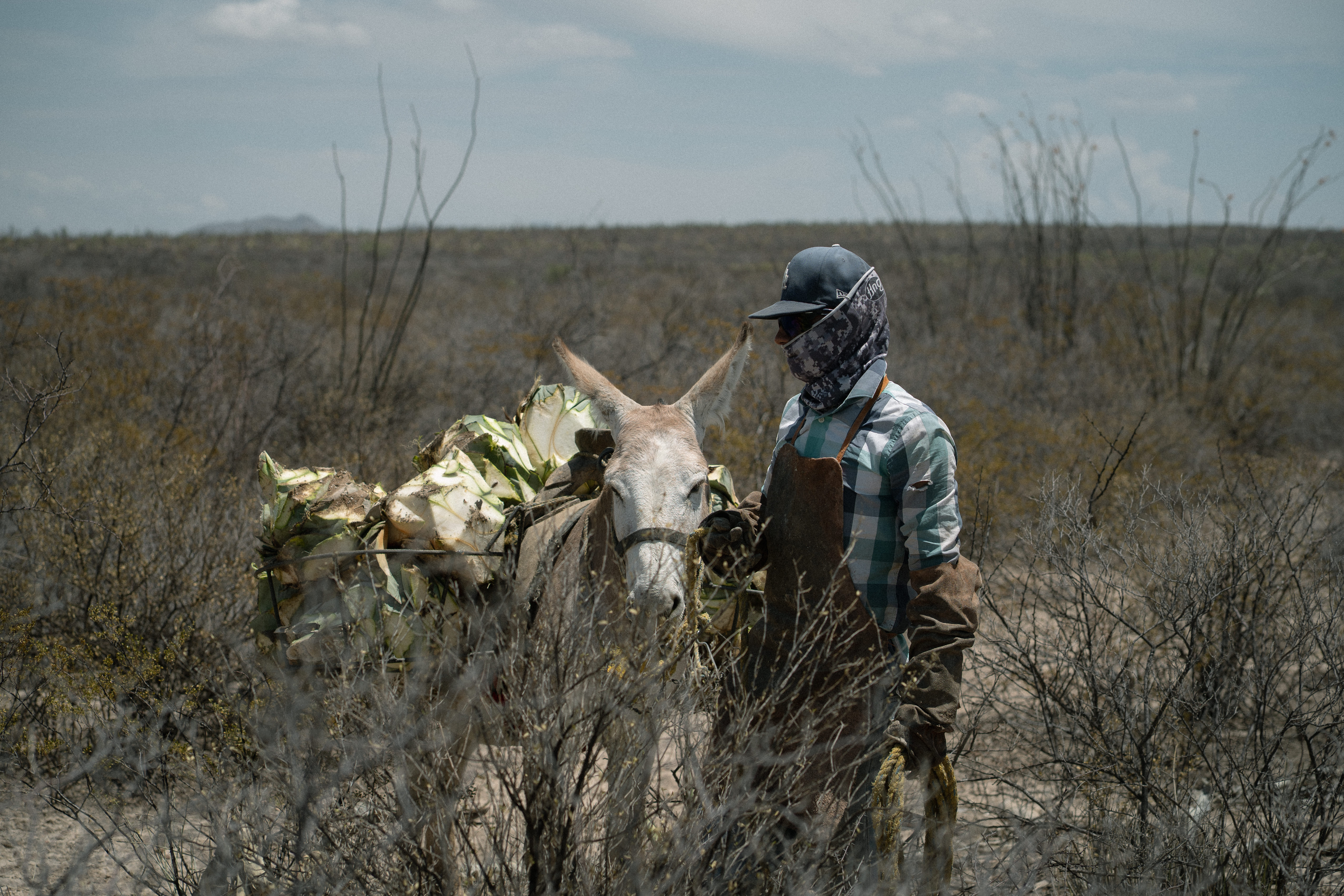
Agave spirits carry more than flavor: they hold memory, land, and forms of resistance against erasure.
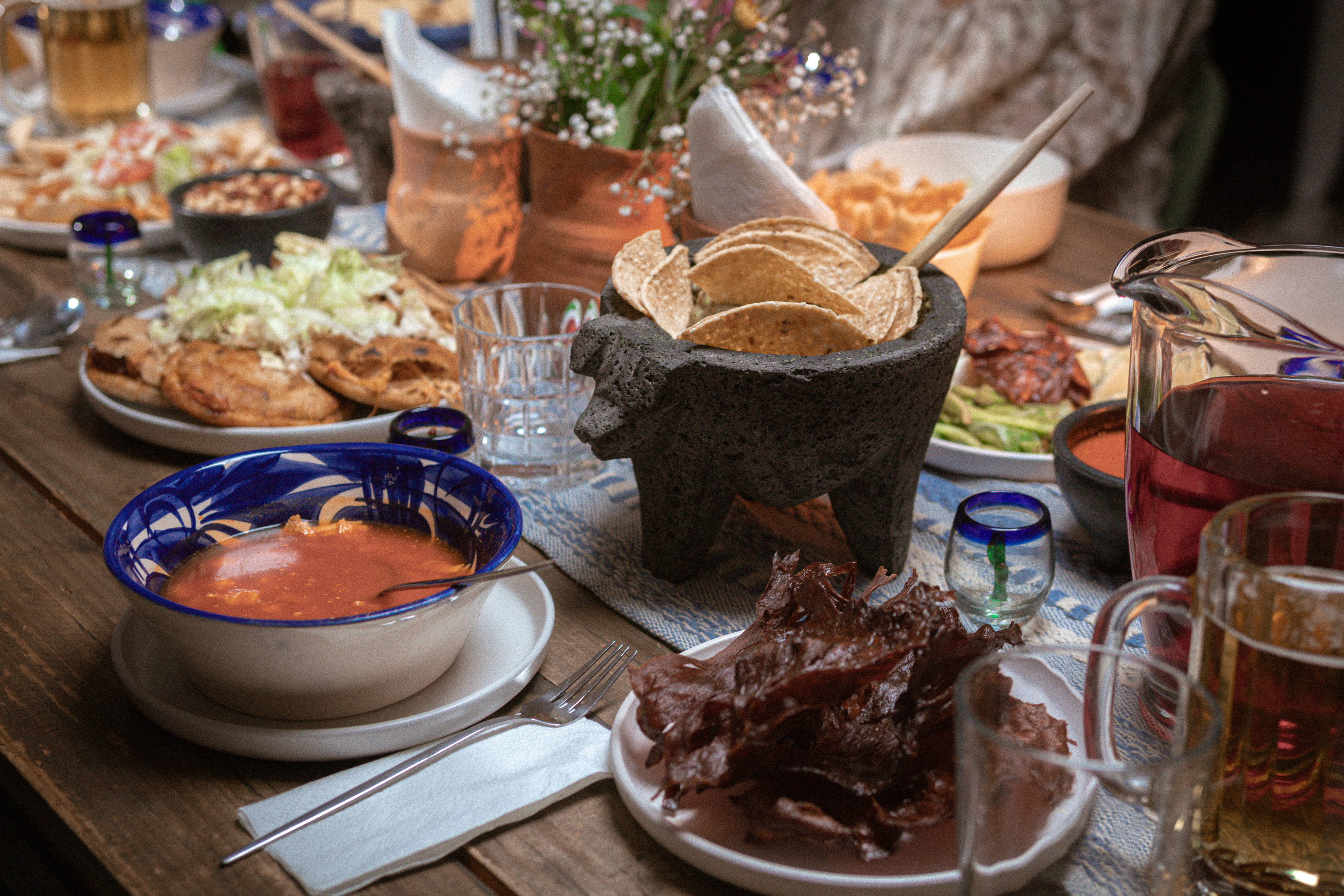
In a month crowded with symbols, representing Mexico responsibly means preserving context, limits, and the living truth behind what becomes visible.

By accessing and using PKGD´s website, you agree to the cookie policy outlined in our privacy notice.
By accessing and using PKGD´s website, you agree to the cookie policy outlined in our privacy notice.












Leave a reply
Lorem ipsum dolor sit amet, consectetur adipiscing elit. Suspendisse varius enim in eros elementum tristique. Duis cursus, mi quis viverra.
Lorem ipsum dolor sit amet, consectetur adipiscing elit. Suspendisse varius enim in eros elementum tristique. Duis cursus, mi quis viverra.