



Last week, I was called out by one of our readers. He was addressing a post we did about the Sippin’ on Some G4 song. The message said the following:
“This slop article couldn’t be written without the assistance of AI? Was Juan Pablo even capable of writing before the advent of artificial intelligence?”
I don’t care much about where the message is coming from. People say all kinds of things online, and there’s no point in wondering about intentions. If I don’t feel something constructive, I just hit delete; my feelings have seen much worse than any given comment. But there was something about this one that compelled me to write a proper answer. And rather than explaining my thinking in the comment section, I decided to write a full post.
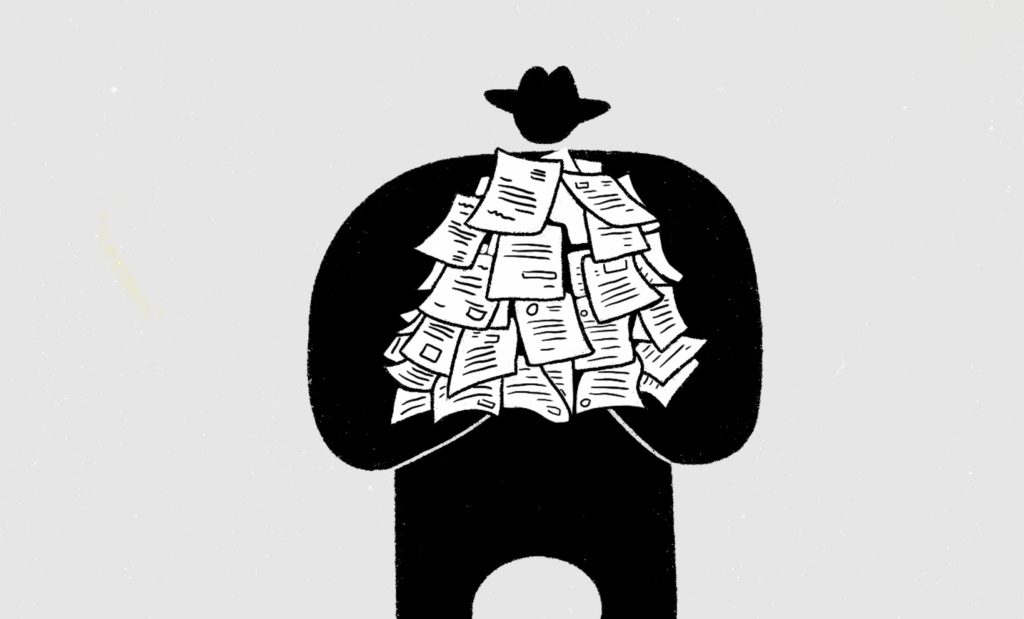
This is the first post I’ve ever written for PKGD Magazine that doesn't use any AI, except possibly for the spelling corrector. I guess part of my ego was struck by the last part of the comment, and I decided to trust myself in doing something I know how to do: writing. While English is not my first language, I decided to risk it and see if it makes any difference to the reader. Maybe it’s terrible, or maybe, if I’m a little lucky, it touches something that cannot be reached with artificial intelligence. I guess we’ll find out.
When we created PKGD Magazine and began writing blog posts, AI was already a huge deal. The crazy thing would’ve been not to use it, especially in the beginning, when there were only a few of us dealing with the creation of brand books, logos, video productions, and more. I barely had any time left to sit down and write, so AI was a good option for sure. But it never felt quite right for me, and I didn’t want to feel like a hypocrite. So I went ahead and created an AI policy manifesto for the agency, in which we decided to disclaim any use of AI in every piece of content we released. This seemed like the ethical thing to do, considering Transparency is one of our core brand values. That settled the uneasy feeling for a while. But then this comment happened, and the discomfort struck again, reminding me of those other two brand values we stand by: Producer-Owned and Worldclass.
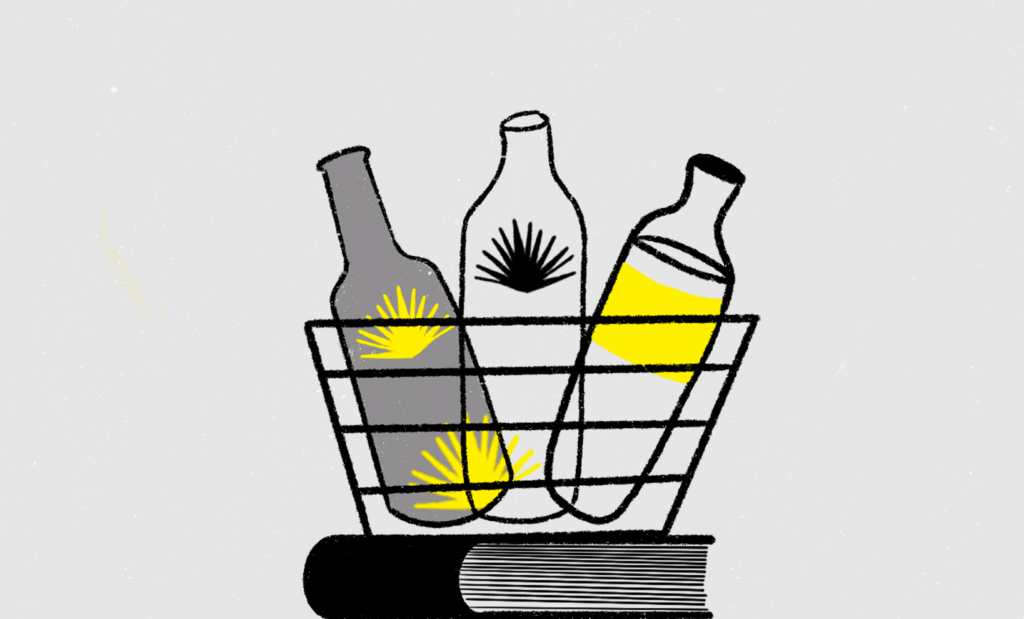
The use of AI doesn’t hold up to those standards, at least in my opinion. And apparently, whoever left the comment sees it too.
I’ve been thinking about how to address the fact that this text doesn’t use AI. It’s a strange position, because we’ve chosen to disclaim our past use of the technology, and now I have to state the lack of it—like labeling a bag of salt as GMO-free or calling a mezcal gluten-free. It’s absurd to the point of surrealism. Whatever happened to the principle that the accused isn’t obligated to prove their innocence? Yet that’s what we see every day at the supermarket: products defending themselves against crimes they were never accused of.
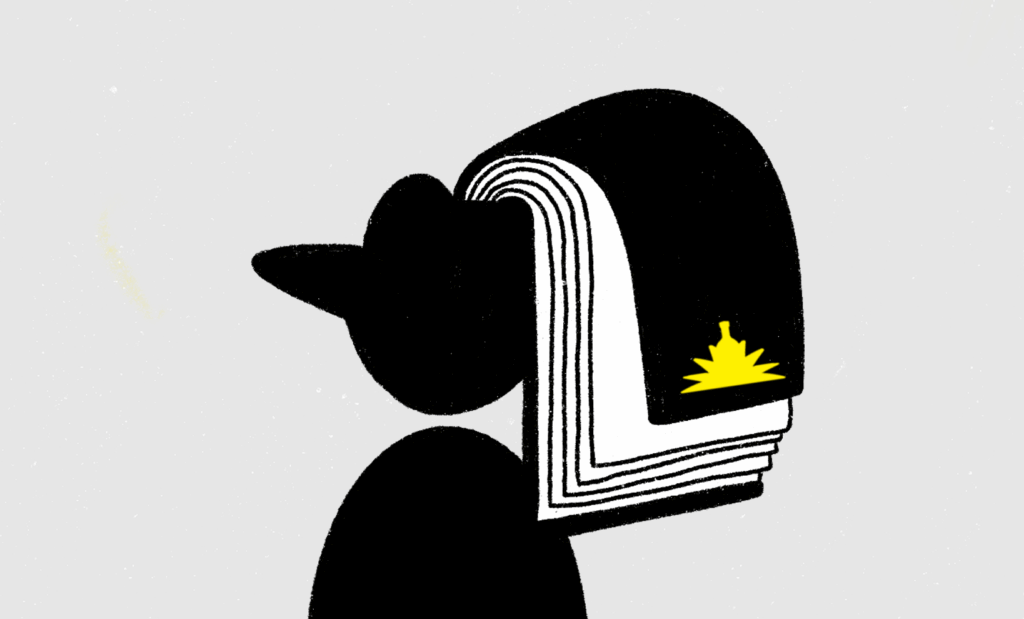
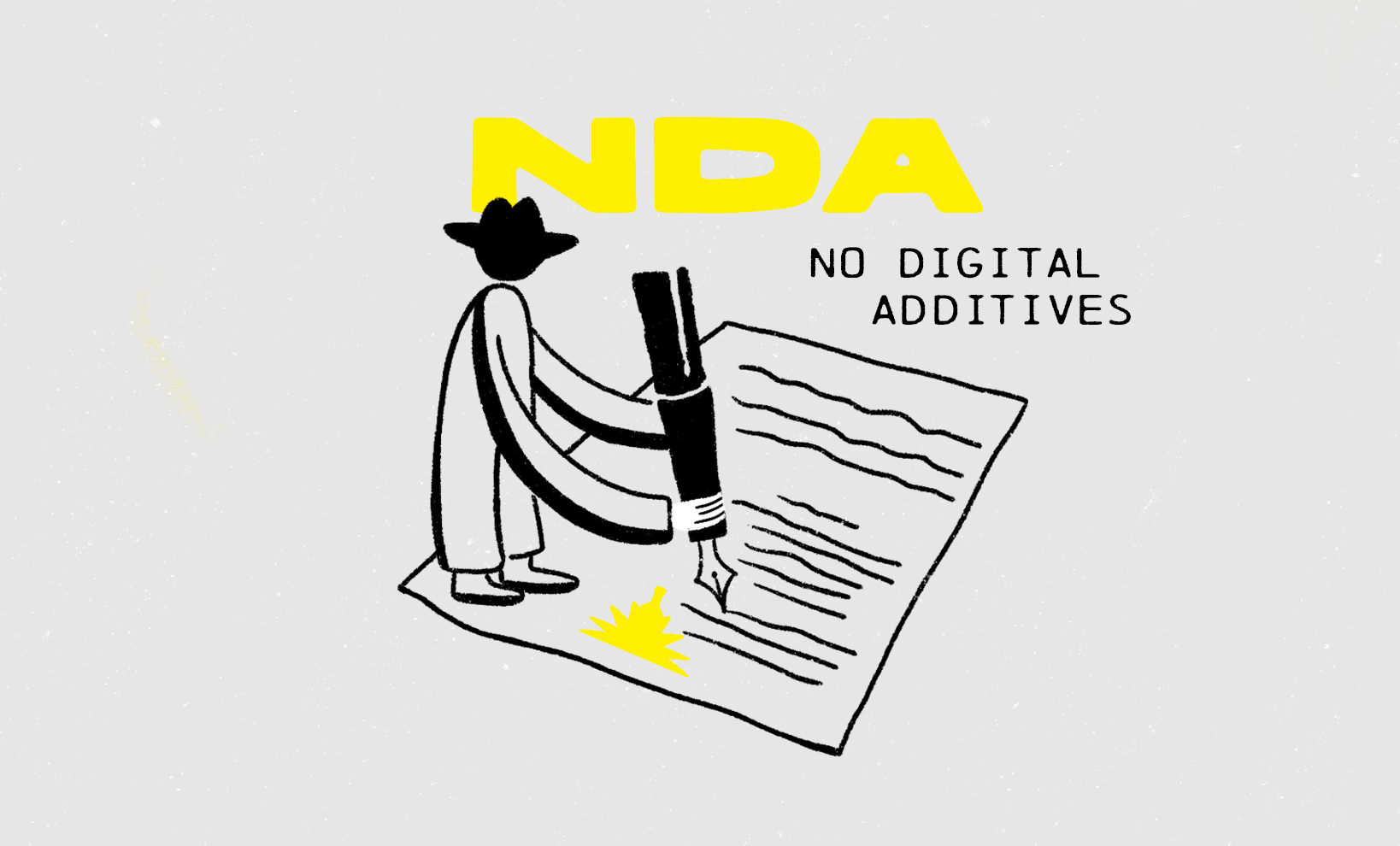
As I thought about this strange world we now live in, an analogy popped into my head and drifted towards an idea. I came up with a stamp that says “NAI,” short for No-Additives-Included.
Because let’s face it: even if they’re harmless, additives suck. They seem like the real deal; they can fool us sometimes, but ultimately, we know what’s what. We know our readers are looking for the best experience they can get from their spirits and their reads. So we need to do better and provide an authentic product that comes from the imperfect hands and minds of the producers. It might not be great, but at least it’s real, it’s human, and—I hate to use AI’s favourite word—it’s authentic. Without that, there can be no Worldclass. So I can promise you’ll be seeing more of this brain-made content in the future… I know, it’s a strange world we’re living in.
So if you’re left confused about whether I’m discussing blog posts or agave spirits, I feel you. I don’t know either. But if someday you stumble upon a bottle that says “NAI,” you’ll know what it means: it’s that thing we can’t say out loud. And over here at the Magazine, we’ll keep using and disclaiming our AI use, at least for now, because we are not freaking robots, and nobody can handle so much work.
Even with AI, we pour our hearts into every piece. I hope you’ve been enjoying them. Thank you for reading and for keeping it real - That’s the spirit!
This article was structured with the assistance of artificial intelligence (ChatGPT). All content is based on human input and editorial oversight. For more details on how PKGD integrates AI responsibly, please refer to our AI Policy.
At PKGD, we continue investing in brand-led storytelling, creating work designed not only to perform, but to build long-term brand equity.
This article was structured with the assistance of artificial intelligence (ChatGPT). All content is based on human input and editorial oversight. For more details on how PKGD integrates AI responsibly, please refer to our AI Policy.
Four producers reveal what cannot be sacrificed if a spirit is to remain fully itself.
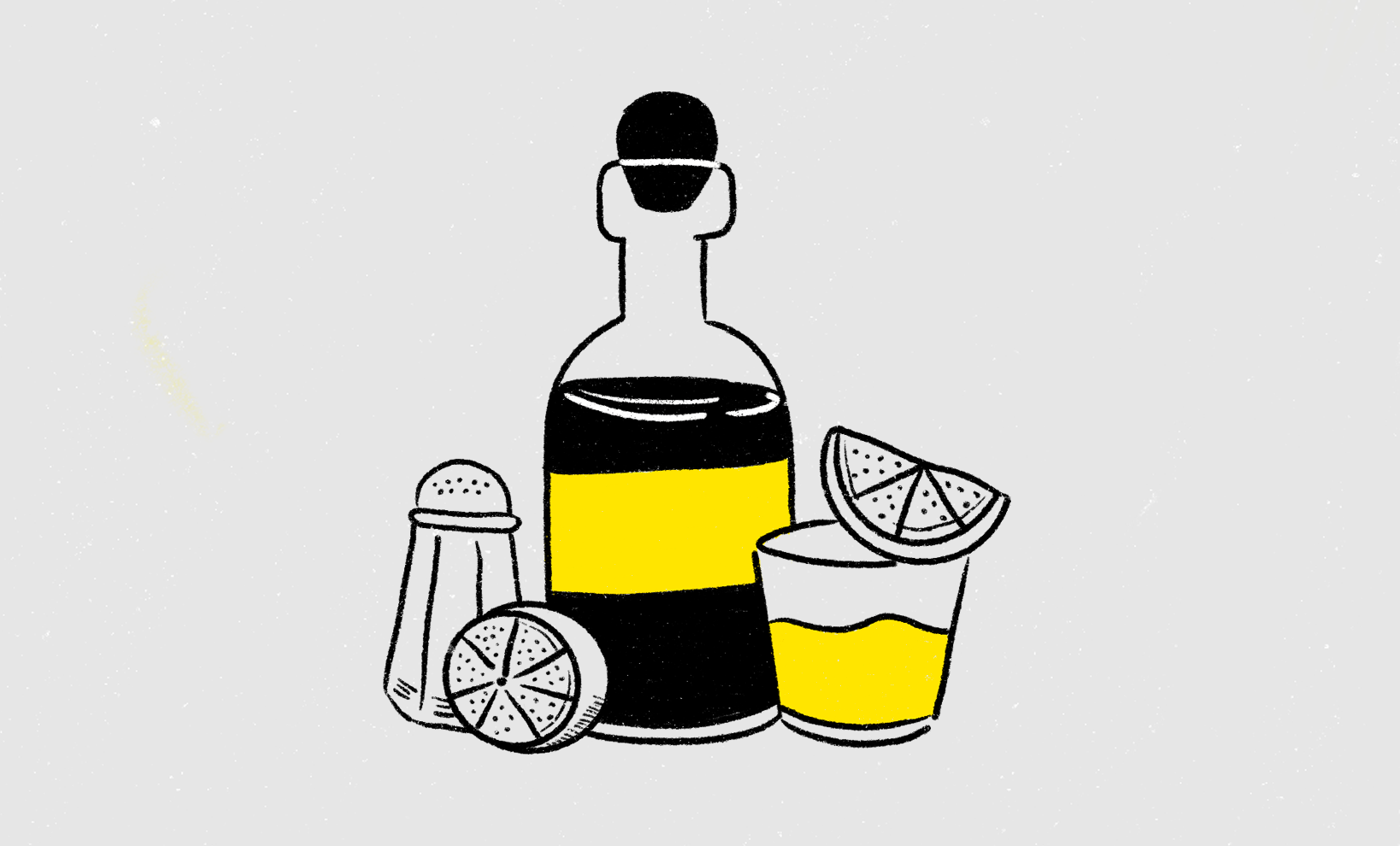
The way we learn to drink tequila can shape what we notice in the glass, and what habit trains us to ignore.
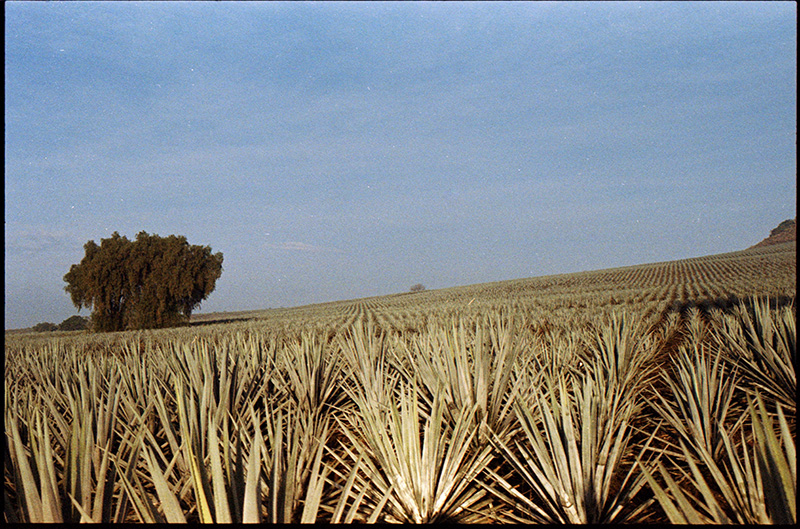
Cheap agave does not erase cost; it delays it, until neglected fields turn a price collapse into an agricultural risk.
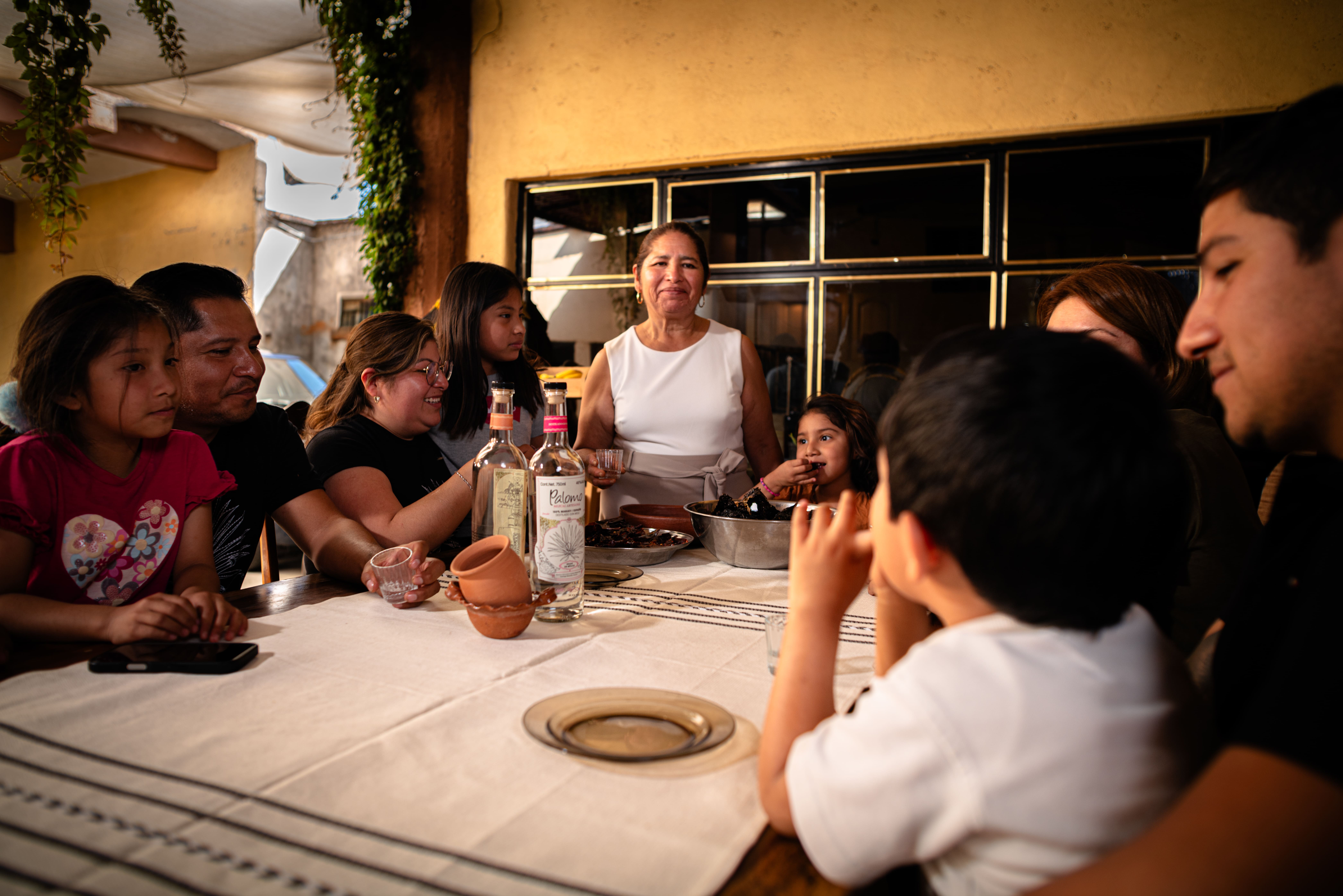
Buying the symbol is celebration; real support begins when the bottle stays connected to its maker.
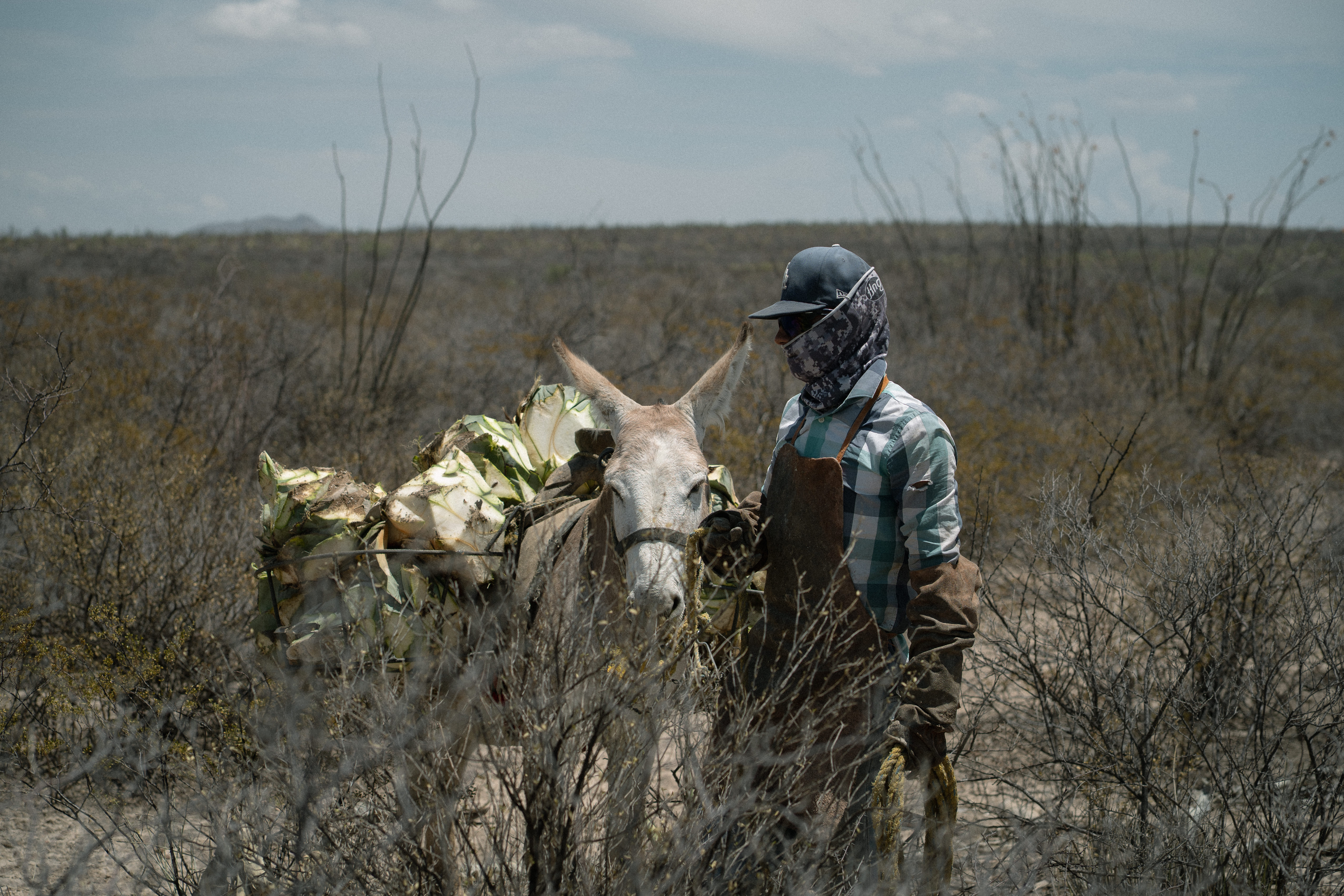
Agave spirits carry more than flavor: they hold memory, land, and forms of resistance against erasure.
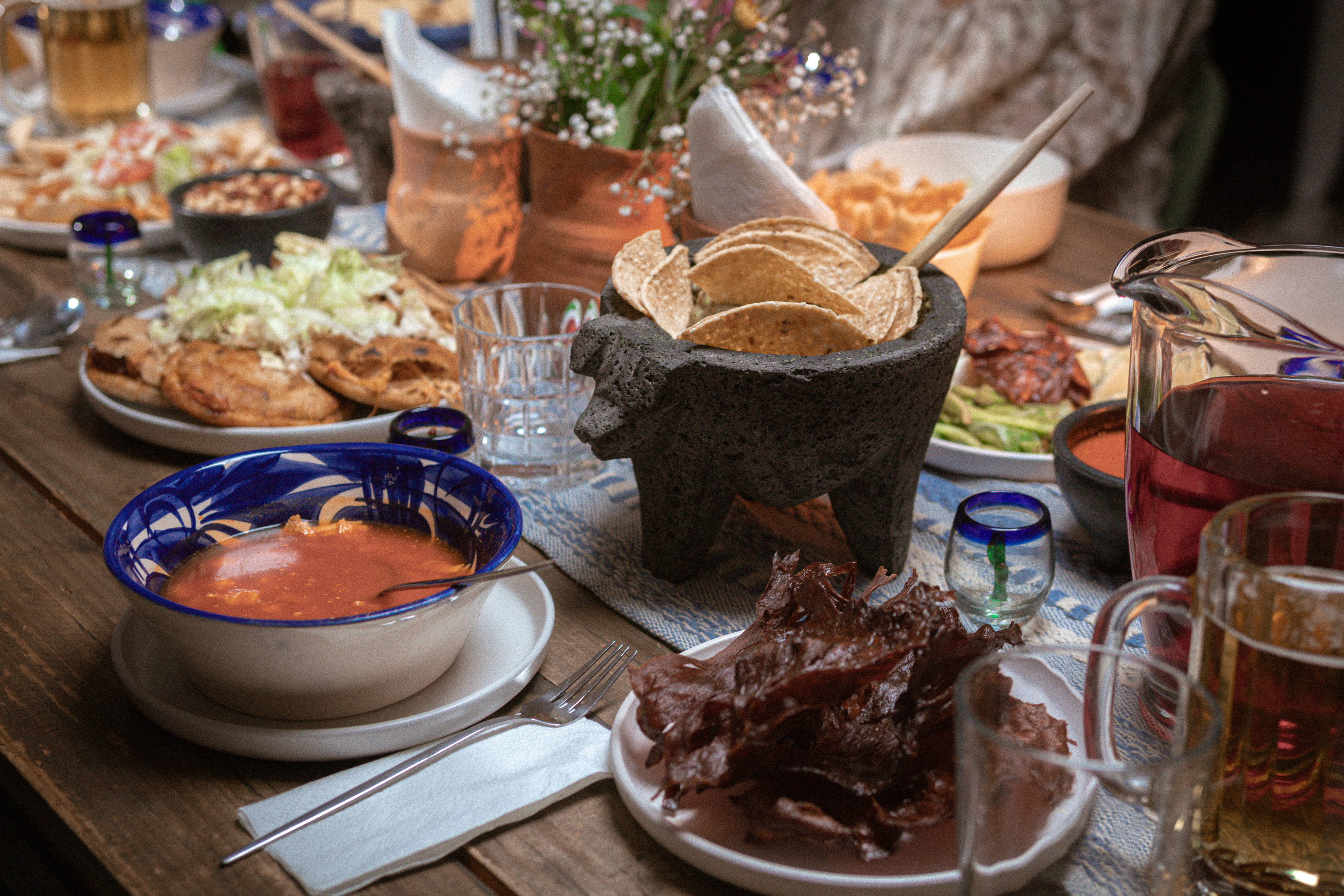
In a month crowded with symbols, representing Mexico responsibly means preserving context, limits, and the living truth behind what becomes visible.

By accessing and using PKGD´s website, you agree to the cookie policy outlined in our privacy notice.
By accessing and using PKGD´s website, you agree to the cookie policy outlined in our privacy notice.











Leave a reply
Lorem ipsum dolor sit amet, consectetur adipiscing elit. Suspendisse varius enim in eros elementum tristique. Duis cursus, mi quis viverra.
Lorem ipsum dolor sit amet, consectetur adipiscing elit. Suspendisse varius enim in eros elementum tristique. Duis cursus, mi quis viverra.