



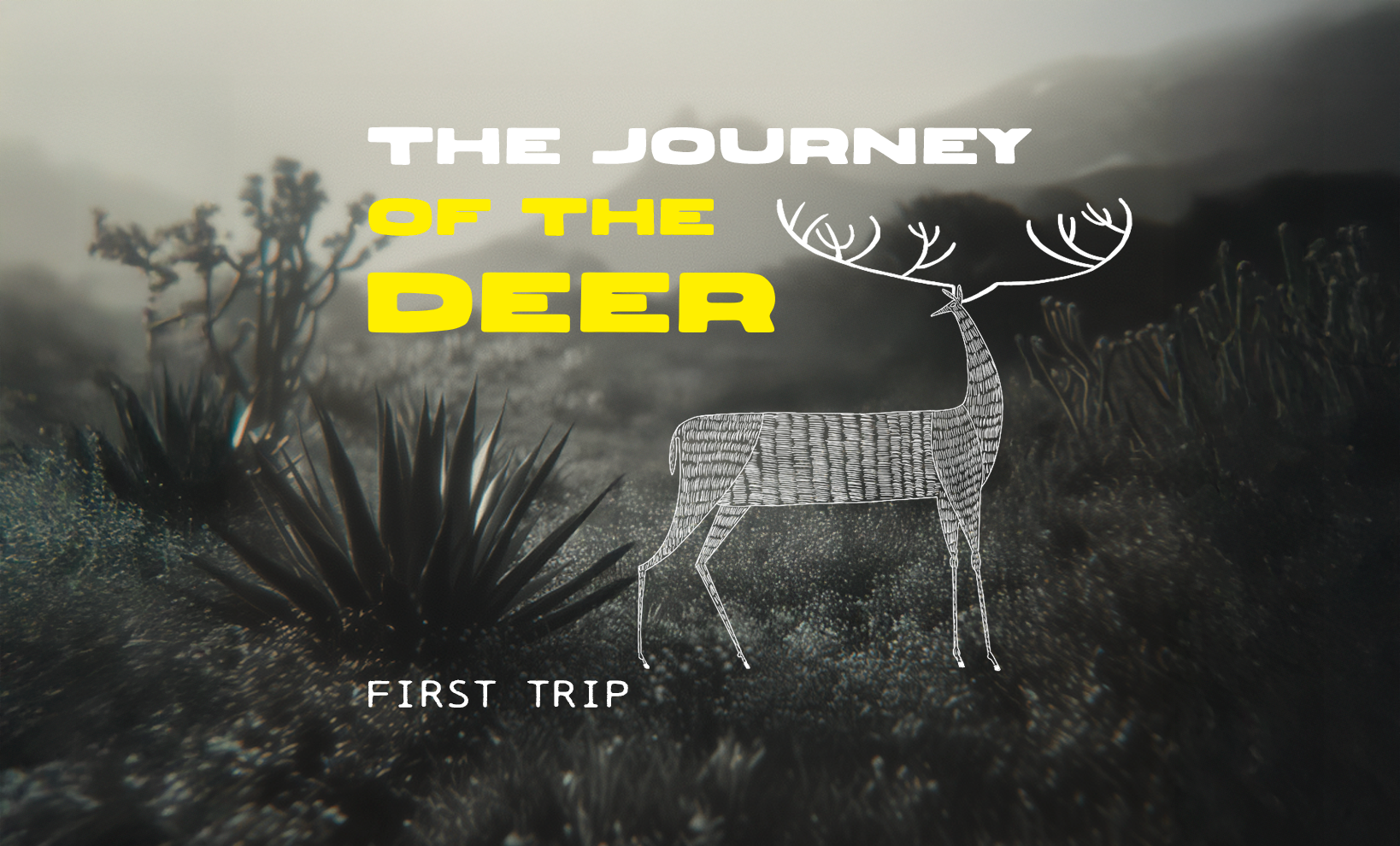

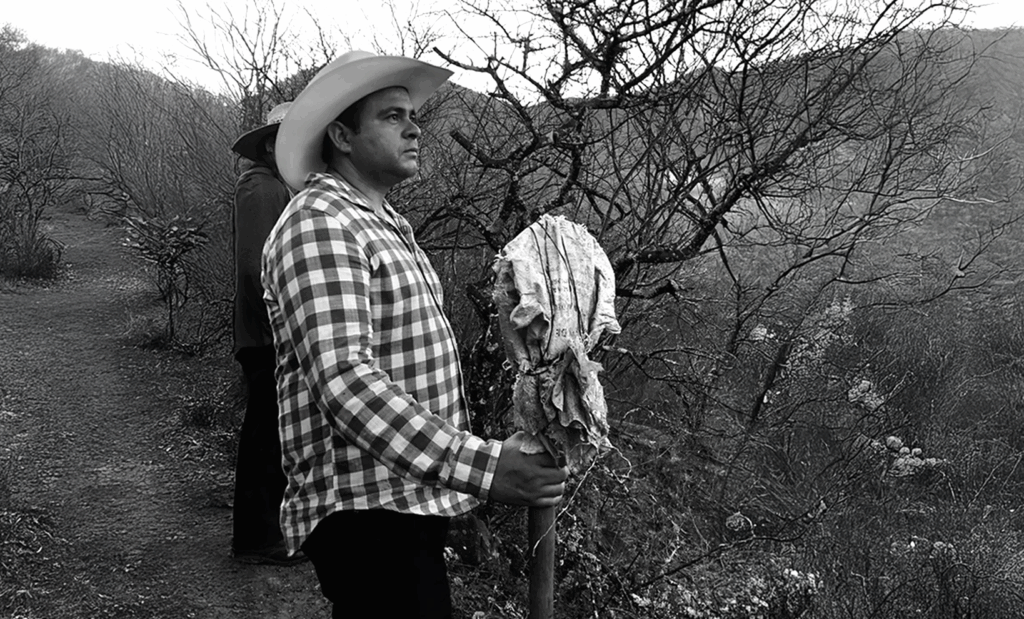
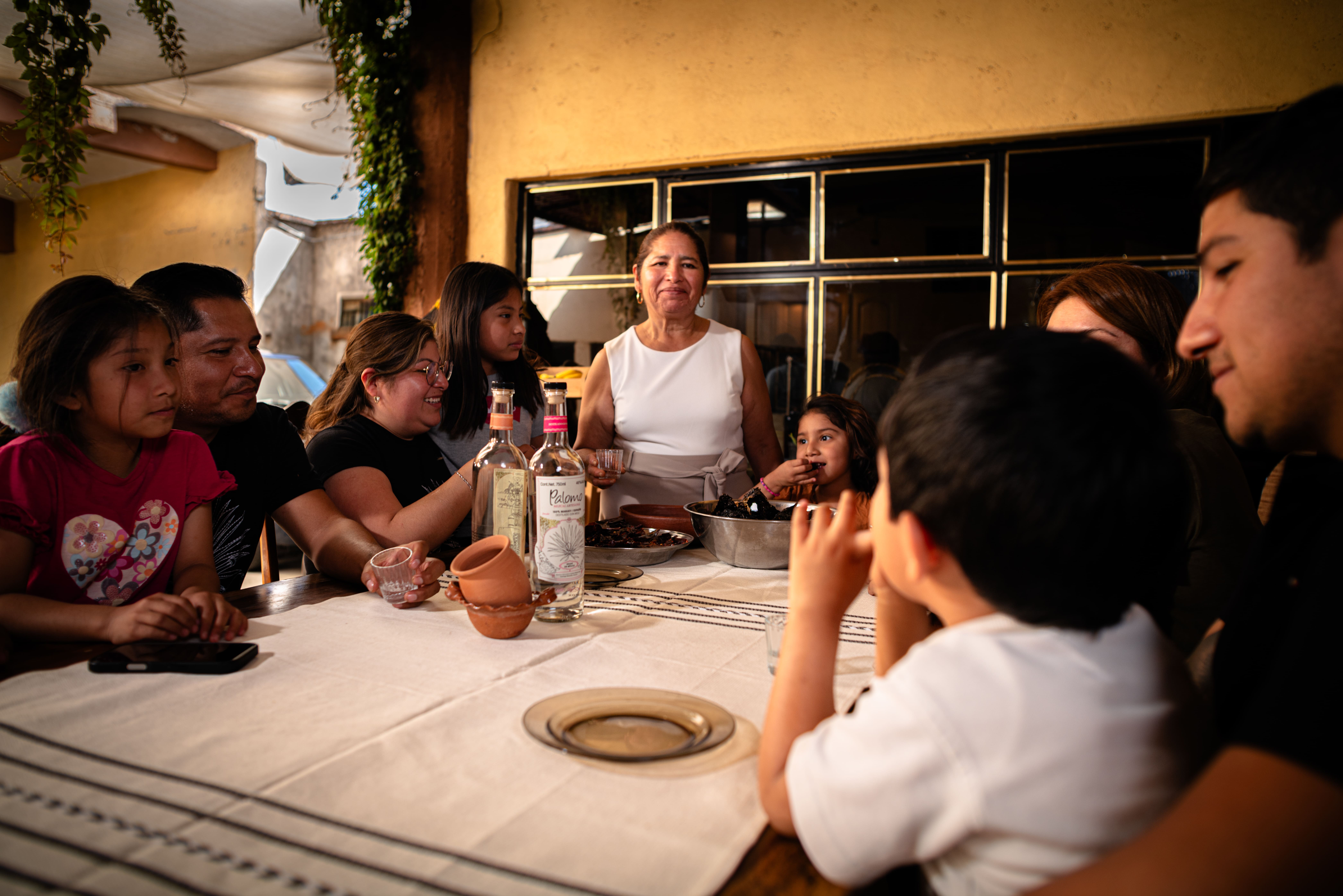
In the community of San José del Mosco, in the municipality of Mascota, lies the taberna of Benito Salcedo Ríos — El Ciervo — a scholar and connoisseur of agaves, second-generation raicillero, agronomist by profession, and friend.
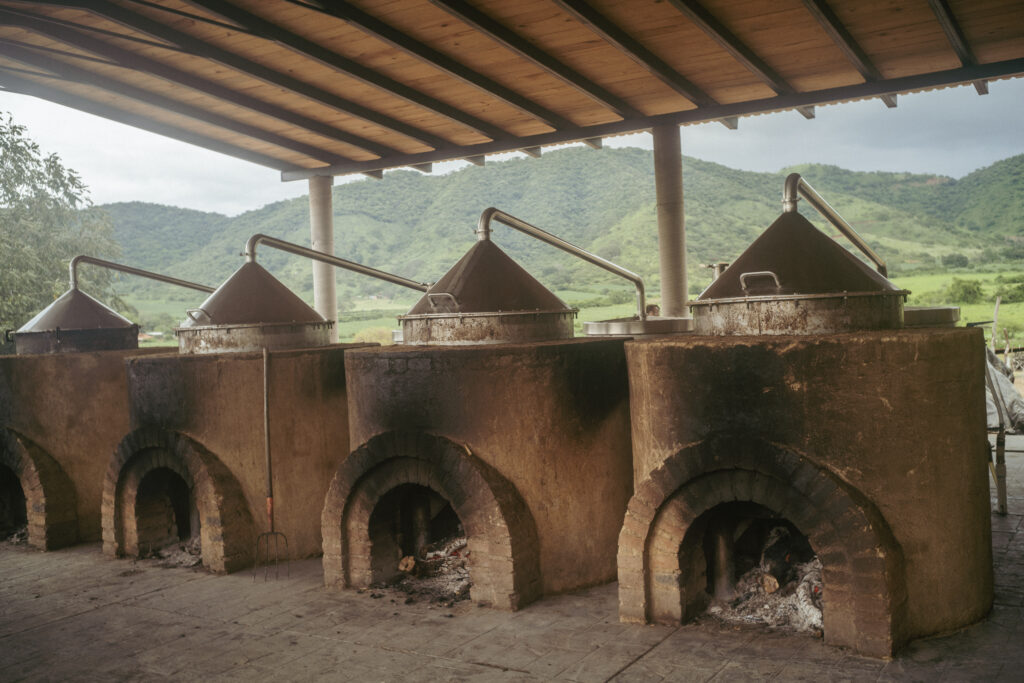
Benito learned the craft of making raicilla from his father, who in turn had learned it from an uncle.
In Jalisco, there are three regions where traditional agave spirits are produced: the Sierra, the North Coast, and the South. Raicilla production is concentrated in the mountains — specifically across the Western Coastal Sierra, Sierra de Amula, and the Southern Coast of Jalisco.
Raicilla is made from five varieties of agave: Maximiliana, Inaequidens, Valenciana, Rhodacantha, and Angustifolia.
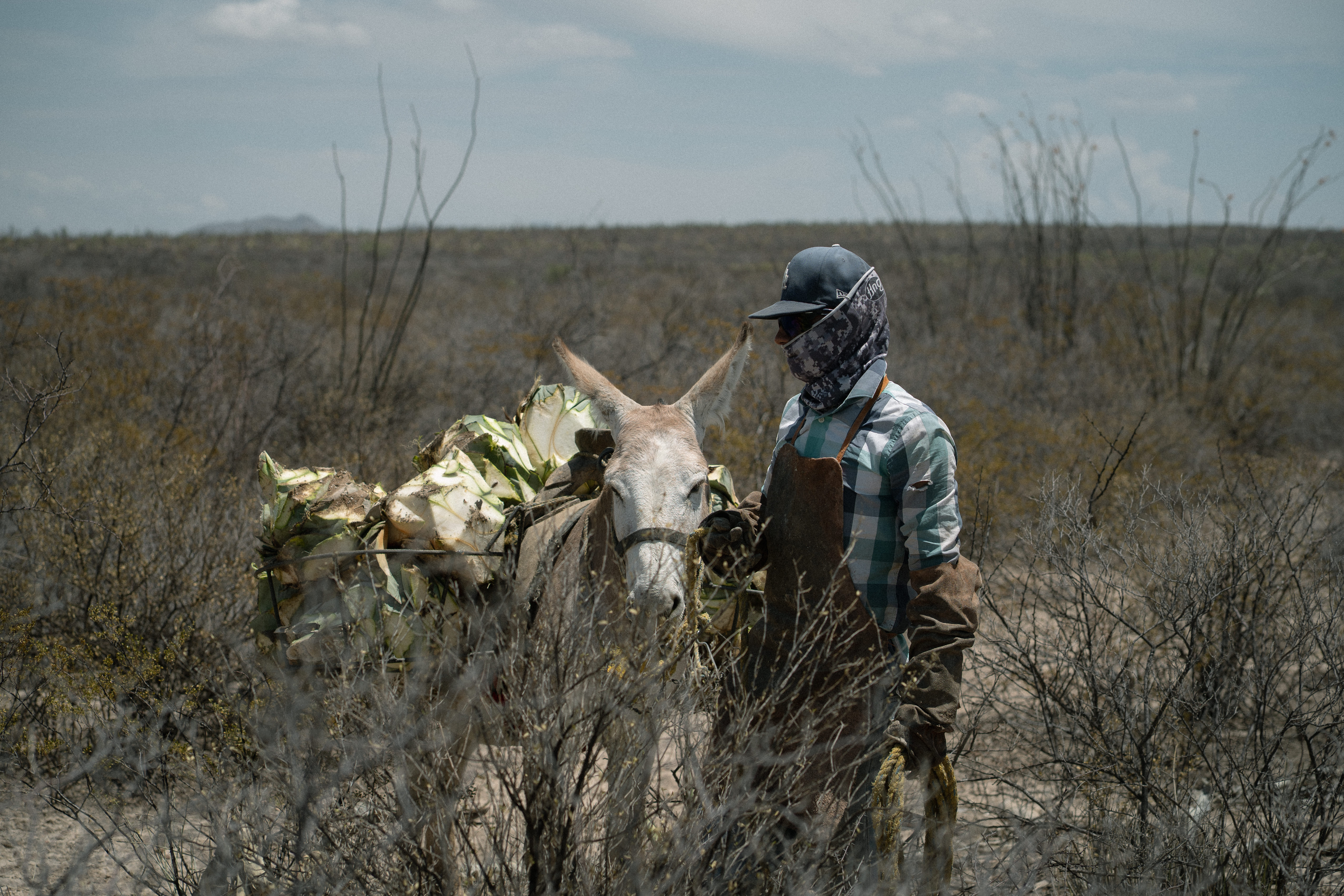
The agave Valenciana — or maguey cuaresmeño, as Benito says it was once known in the region — is critically endangered due to overgrazing and the lack of a management plan for non-timber forest resources. This agave grows naturally in temperate forests dominated by pine and oak. It reproduces through seeds, unlike other species that propagate through shoots, and requires at least thirteen years to reach maturity.
There is a locality near San José del Mosco called El Carrizo, within the Ejido El Potrerillo, where agave Valenciana still grows wild.
When the agave Valenciana sends up its flowering stalk — the quiote — it is preparing to reproduce. This process occurs through flowering and seed production, made possible by pollinators such as the maguey bat, hummingbirds, and insects like bees.
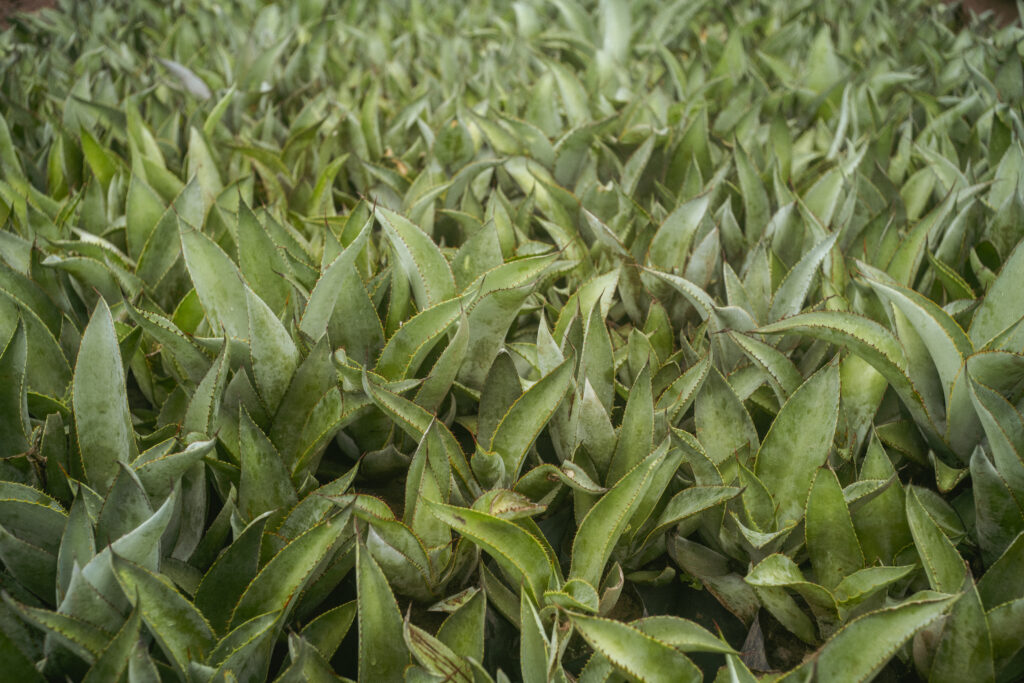
Beyond its use in making raicilla, this agave’s fiber was once used to make bricks for building houses. It also has medicinal properties — it helps heal wounds — and its strong fibers can be used to craft ropes, clothing, footwear, aguamiel, and pulque.
This is where El Ciervo’s journey begins…
References:
Acknowledgments:
Benito Salcedo, Emanuel Cuenca, and Huaraches de Oro y Plata for sharing the moment.
This article was structured with the assistance of artificial intelligence (ChatGPT). All content is based on human input and editorial oversight. For more details on how PKGD integrates AI responsibly, please refer to our AI Policy.
At PKGD, we continue investing in brand-led storytelling, creating work designed not only to perform, but to build long-term brand equity.
This article was structured with the assistance of artificial intelligence (ChatGPT). All content is based on human input and editorial oversight. For more details on how PKGD integrates AI responsibly, please refer to our AI Policy.
Four producers reveal what cannot be sacrificed if a spirit is to remain fully itself.
The way we learn to drink tequila can shape what we notice in the glass, and what habit trains us to ignore.
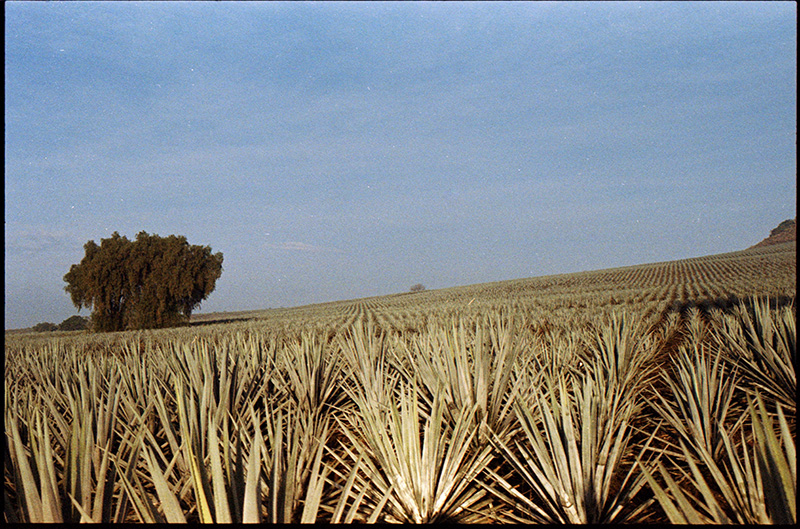
Cheap agave does not erase cost; it delays it, until neglected fields turn a price collapse into an agricultural risk.
Buying the symbol is celebration; real support begins when the bottle stays connected to its maker.
Agave spirits carry more than flavor: they hold memory, land, and forms of resistance against erasure.
In a month crowded with symbols, representing Mexico responsibly means preserving context, limits, and the living truth behind what becomes visible.

By accessing and using PKGD´s website, you agree to the cookie policy outlined in our privacy notice.
By accessing and using PKGD´s website, you agree to the cookie policy outlined in our privacy notice.

















Leave a reply
Lorem ipsum dolor sit amet, consectetur adipiscing elit. Suspendisse varius enim in eros elementum tristique. Duis cursus, mi quis viverra.
Lorem ipsum dolor sit amet, consectetur adipiscing elit. Suspendisse varius enim in eros elementum tristique. Duis cursus, mi quis viverra.