



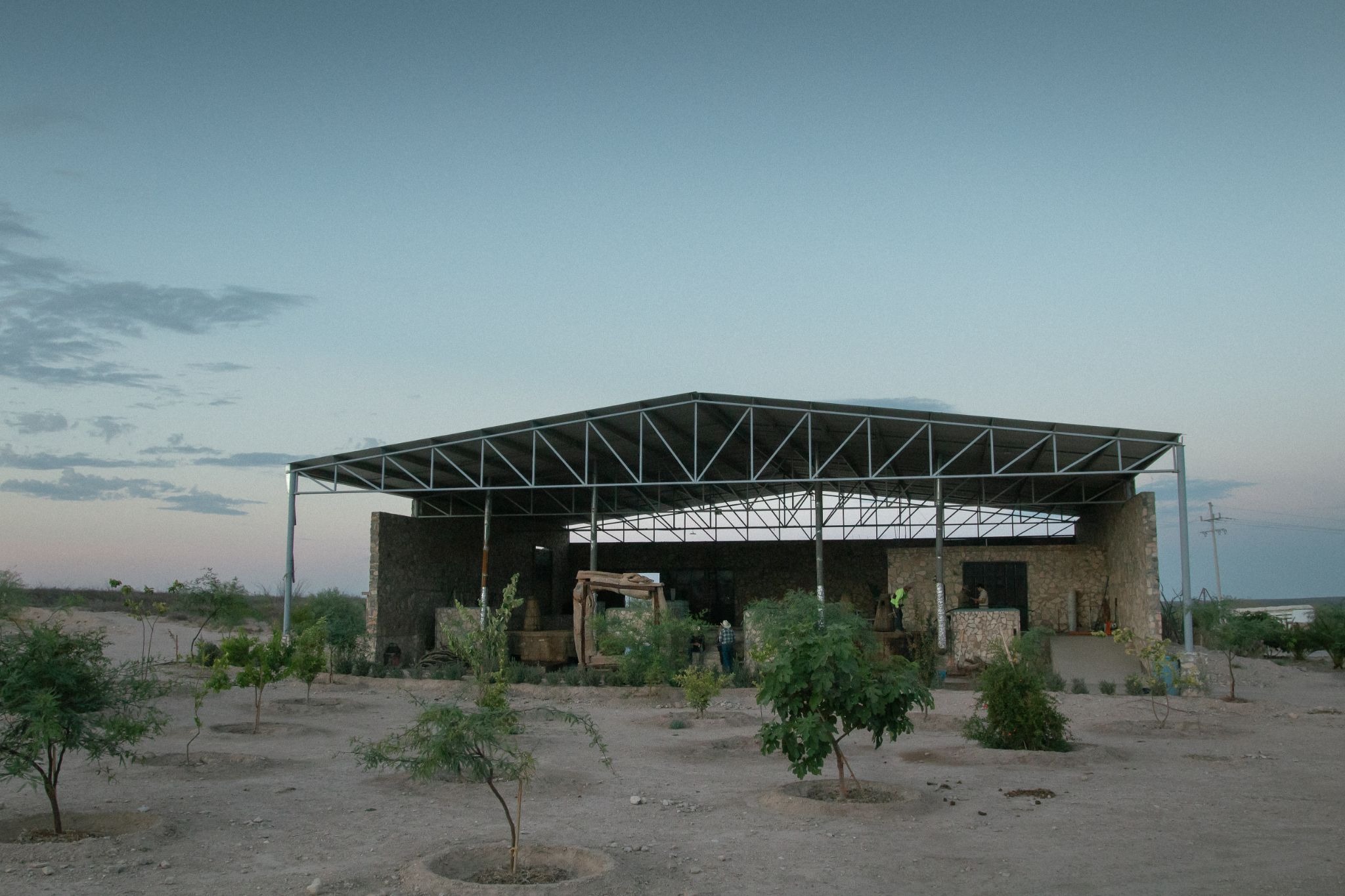
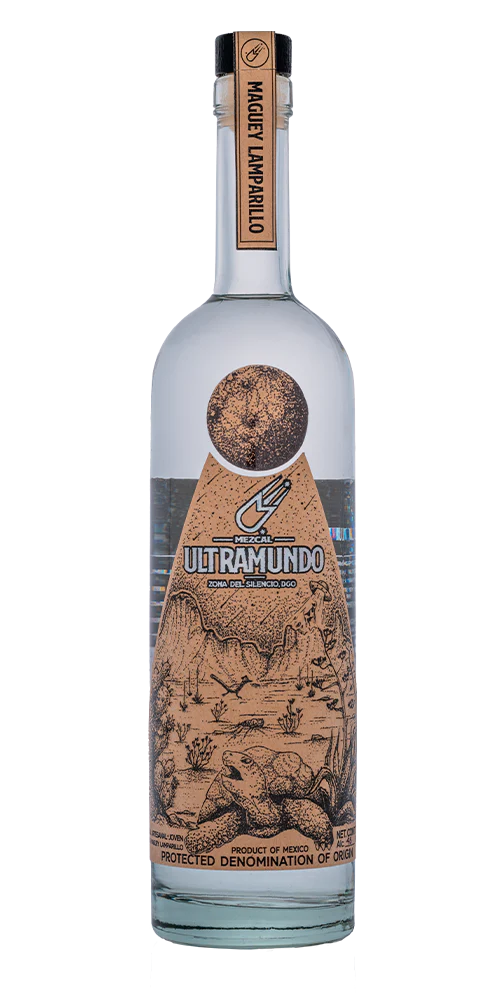
To build a distillery in the Zone of Silence is to make a pact with volatility. For Sergio Garnier, producer of Ultramundo, the project did not begin with master distillers or marketing strategies; it began with finding a construction crew brave enough to camp in the middle of absolute nowhere, wrestling trailers through dirt roads, and shifting architectural blueprints on the fly to withstand dust storms, winters that plunge below 14°F (-10°C), and summers that routinely exceed 104°F (40°C).
When the nearest replacement part is a two-hour drive away, the desert forces you to redraw the blueprints. The original project had to adapt to climatic hostility.
"Every wall of the distillery was built using mampostería stones extracted from the ranch itself," Sergio Garnier explains. "The desert forces you to modify your expectations of speed. If something breaks, you adapt with what the land provides."
Here, architecture does not pursue aesthetics; it pursues endurance, creating a fortress around the process. In Mapimí, the current market obsession with constant supply chains and accelerated growth shatters against the reality of a 20-year botanical cycle.
"Mezcal production has forced me to learn patience", says Sergio. "There are no shortcuts. There is a boundary where man’s intervention ends and nature takes over."
The value of this spirit does not reside in the liquid as another commodity within the market, but in the improbability of its existence after defying the conditions imposed by the climate. When a frost or a drought eliminates a population of wild agaves, two decades of time vanish permanently from the balance sheet.
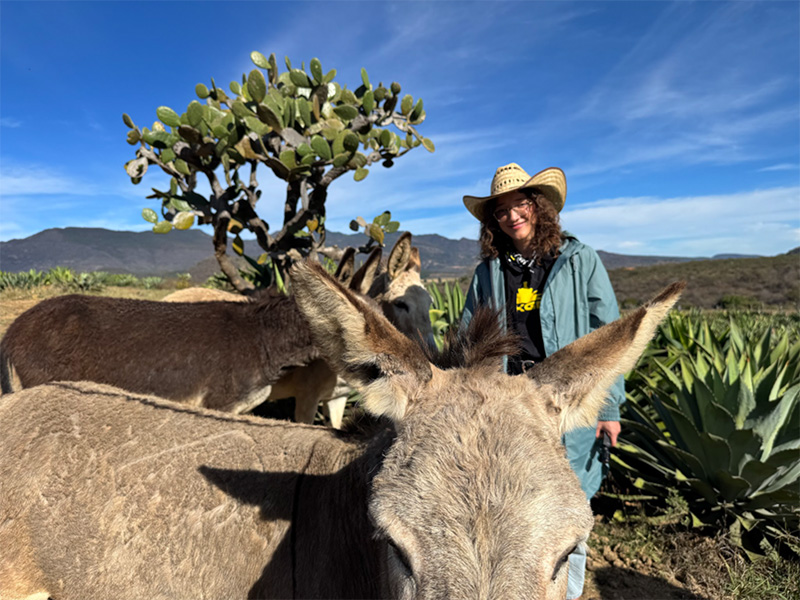
In a territory without rivers, reservoirs, or lakes, water exists under conditions of genuine scarcity. At Rancho Pelayo, an 11,000-hectare expanse, water is a subterranean luxury drawn from deep underground through livestock wells originally powered by wind-driven papalotes. Today, submersible pumps fueled by solar and wind energy lift that raw, unrefined water into reservoirs strategically positioned at the highest points of the ranch. From there, gravity directs the flow through a precise capillary system down to the vinata.
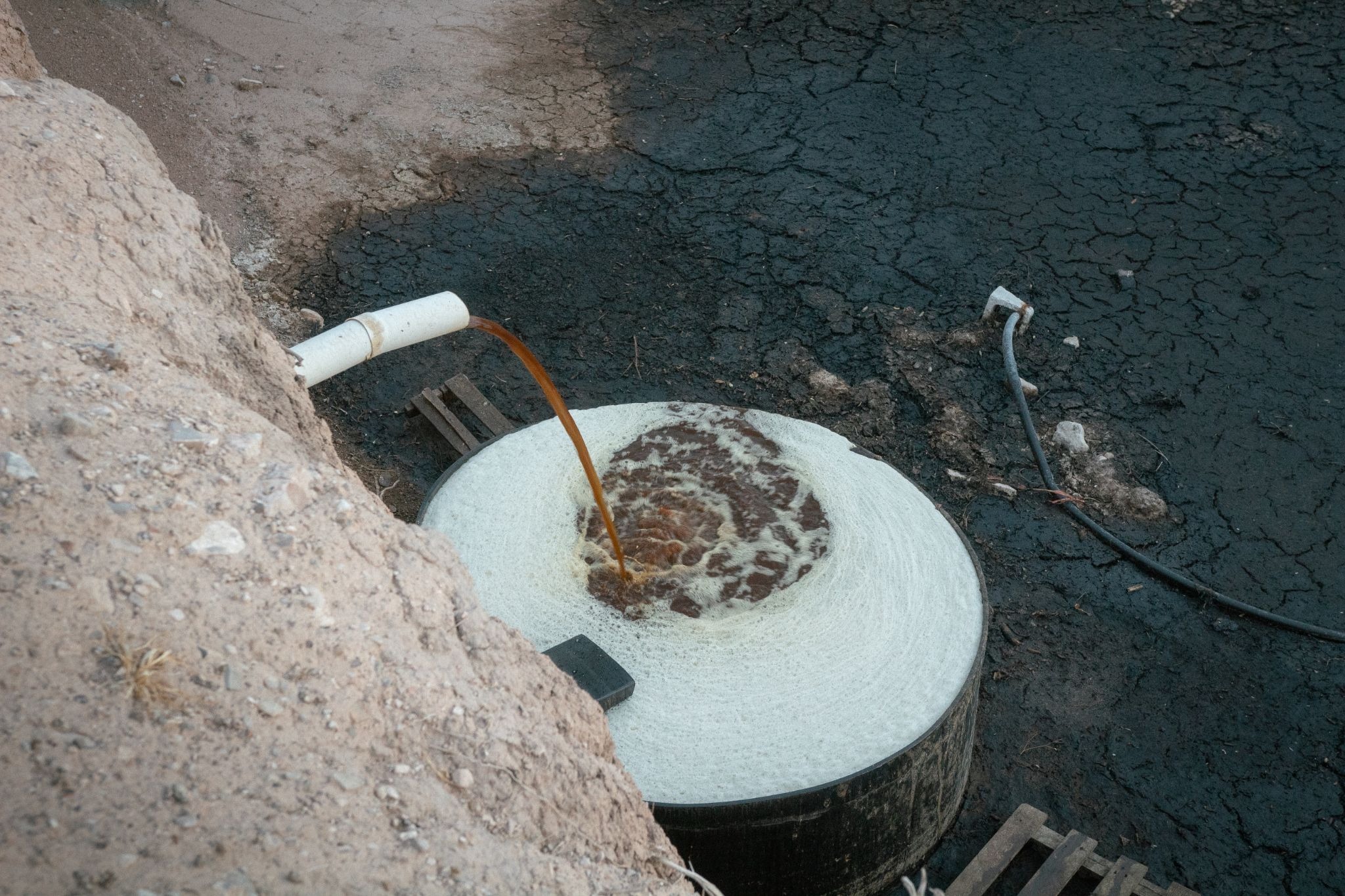
Industries filter and standardize their water to guarantee uniformity. Ultramundo does exactly the opposite. This raw groundwater carries an exceptionally high mineral load, deliberately complicating wild fermentation. Yet that supposed “impurity” is precisely what anchors the singular flavors of this unforgiving landscape.
"When I talk about Ultramundo’s flavor, I’m talking about a specific ecosystem," Sergio notes. "This mineral-rich water stresses the wild yeasts, but it generates unique, structural notes that taste explicitly of this earth. If we altered the water to make the work easier, we would be domesticating the origin itself."
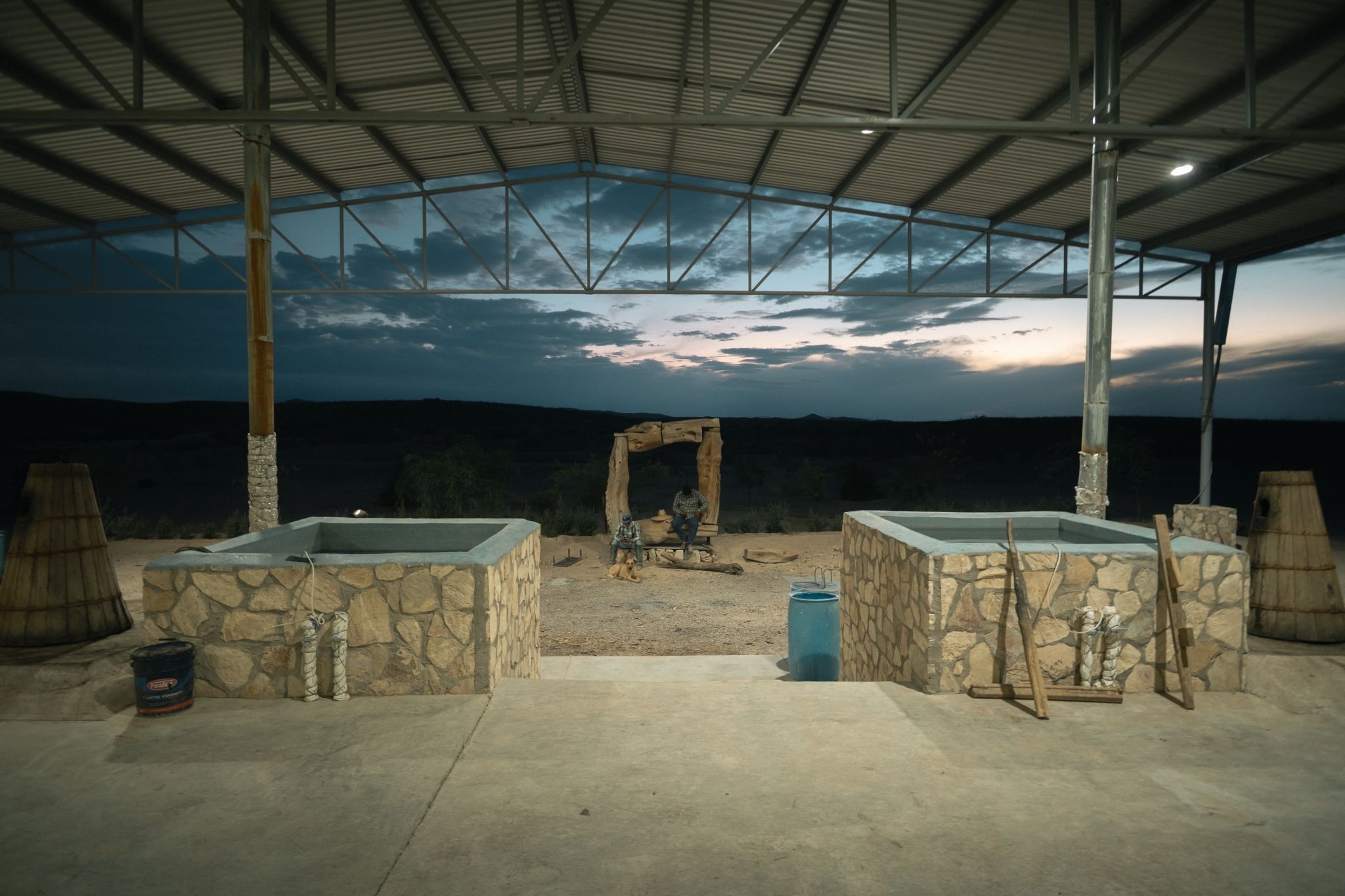
Efficiency here is not a corporate goal; it is a survival mechanism. To cool the fermentation coils without wasting a single drop, Sergio designed a closed-loop system where water passes through a stone muro llorón (cooling fountain), reducing its temperature via evaporation without energy expenditures. Once the cooling cycle is complete, the water is diverted to irrigate the agricultural orchard surrounding the distillery.
The current market has grown accustomed to paying premium prices for industrial spirits that have spent years resting inside an inert wooden barrel, made from crops harvested in a matter of months. Ultramundo proposes another timescale: Lamparillo agave spends nearly twenty years aging alive, exposed to the elements, enduring droughts and unpredictable freezes before the Pelayo Collective touches a single piña.
"The complexity is built into the living tissue of the plant," Sergio argues. "It doesn’t need to hide behind the wood. Every bottle is an unrepeatable capsule of time."
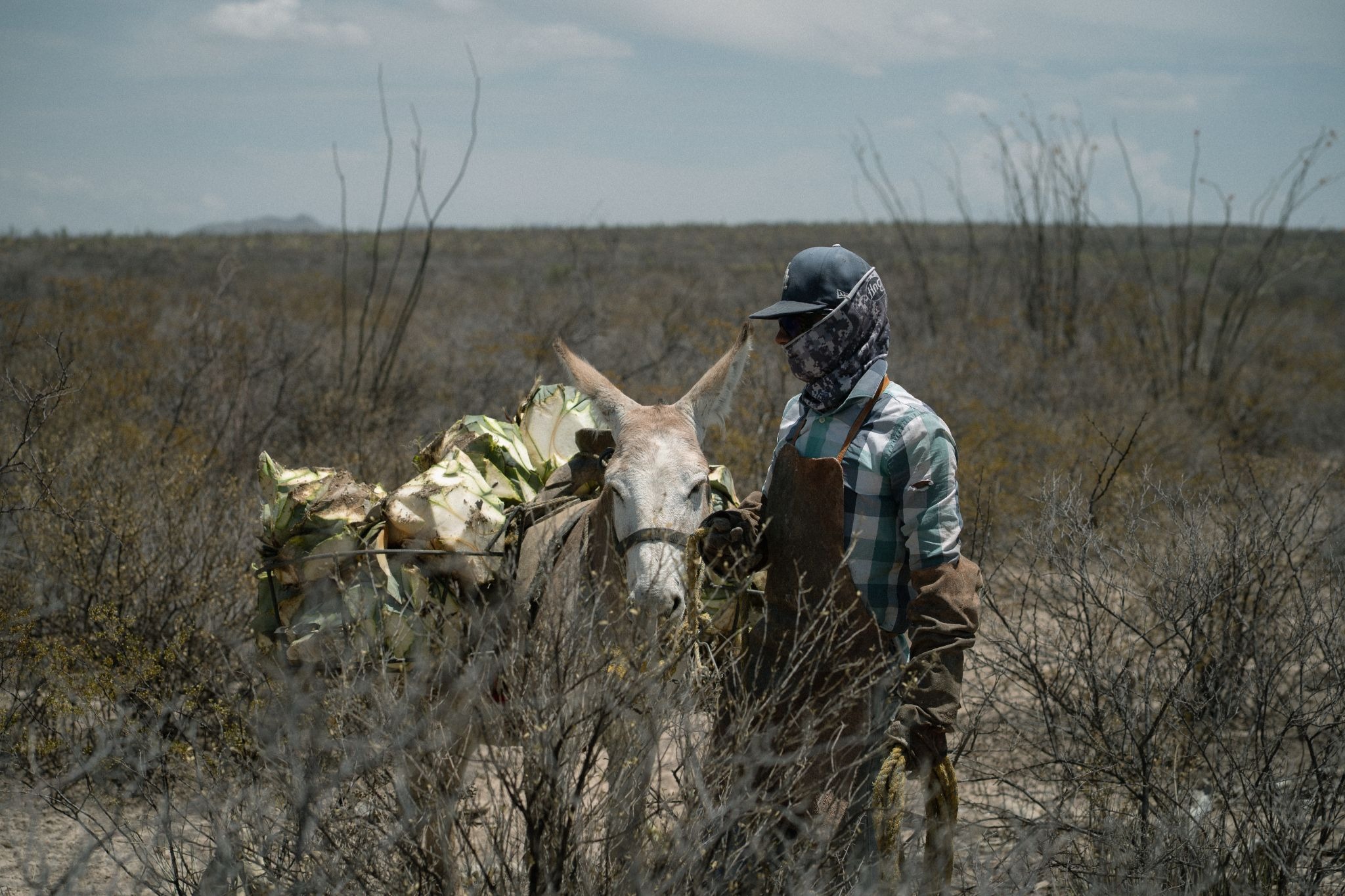
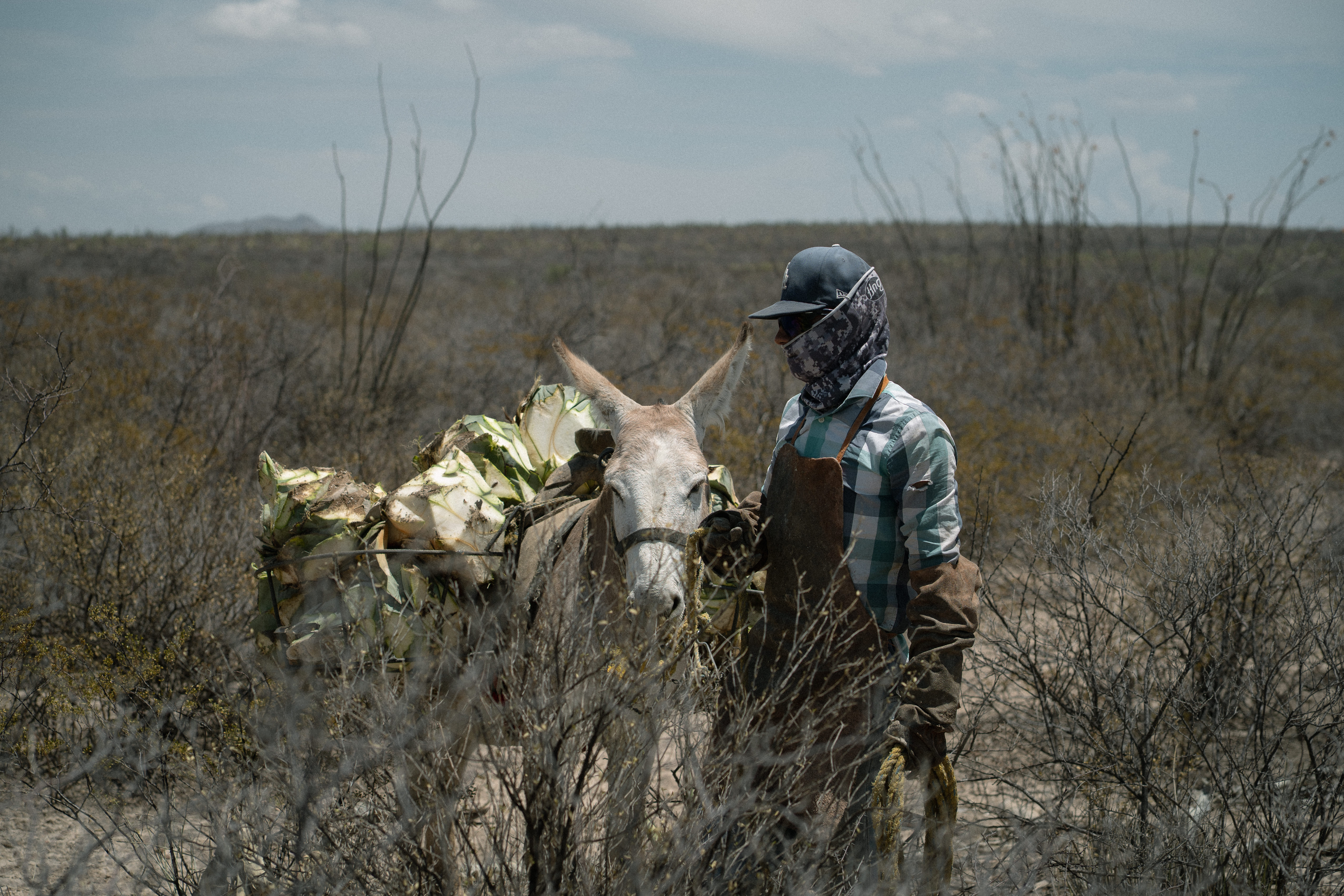
The harvest becomes an act of extreme physical endurance, executed like a tactical unit. The team traverses 4,000 hectares of rugged topography on foot under temperatures reaching 113°F (45°C).
There is no monoculture and no possibility of acceleration. "It’s easy to identify a plant that is ready," Sergio explains. "They are the ones that produced a quiote and were 'capadas' (castrated) in March, shifting their colors toward purple and yellow tones." Only what nature chooses to release each year is taken.
For a consumer unacquainted with this world, the market price of Ultramundo might look like a simple luxury markup. In reality, it is the exact mathematical translation of desert risk, manual labor, and biological time.
When asked if automation could ever optimize costs, the answer is a definitive refusal. Automation would require massive monoculture, chemical inputs, and standardized commercial yeasts—effectively destroying the microbiology of Mapimí.
"What we will defend to the death is our natural fermentation. That is where the mystery happens. That is where those wild, unrepeatable flavors are born. No laboratory yeast can replicate the friction of this desert."
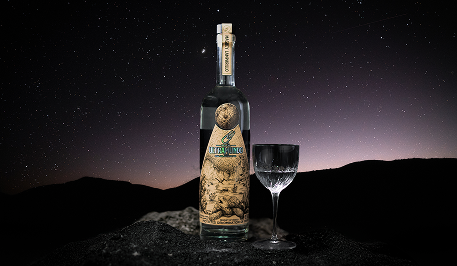
Whoever holds a bottle of Ultramundo is not consuming a luxury designed for perpetual inventory. They are accepting the finitude of a limited lot—a time capsule the desert allowed to exist, and one that will never be repeated in exactly the same way again.
This article was structured with the assistance of artificial intelligence (ChatGPT). All content is based on human input and editorial oversight. For more details on how PKGD integrates AI responsibly, please refer to our AI Policy.
At PKGD, we continue investing in brand-led storytelling, creating work designed not only to perform, but to build long-term brand equity.
This article was structured with the assistance of artificial intelligence (ChatGPT). All content is based on human input and editorial oversight. For more details on how PKGD integrates AI responsibly, please refer to our AI Policy.


Four producers reveal what cannot be sacrificed if a spirit is to remain fully itself.
The way we learn to drink tequila can shape what we notice in the glass, and what habit trains us to ignore.
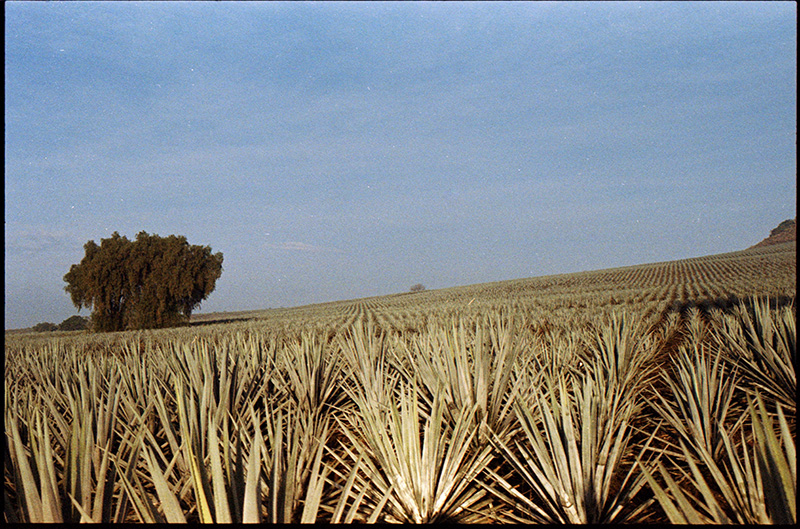
Cheap agave does not erase cost; it delays it, until neglected fields turn a price collapse into an agricultural risk.
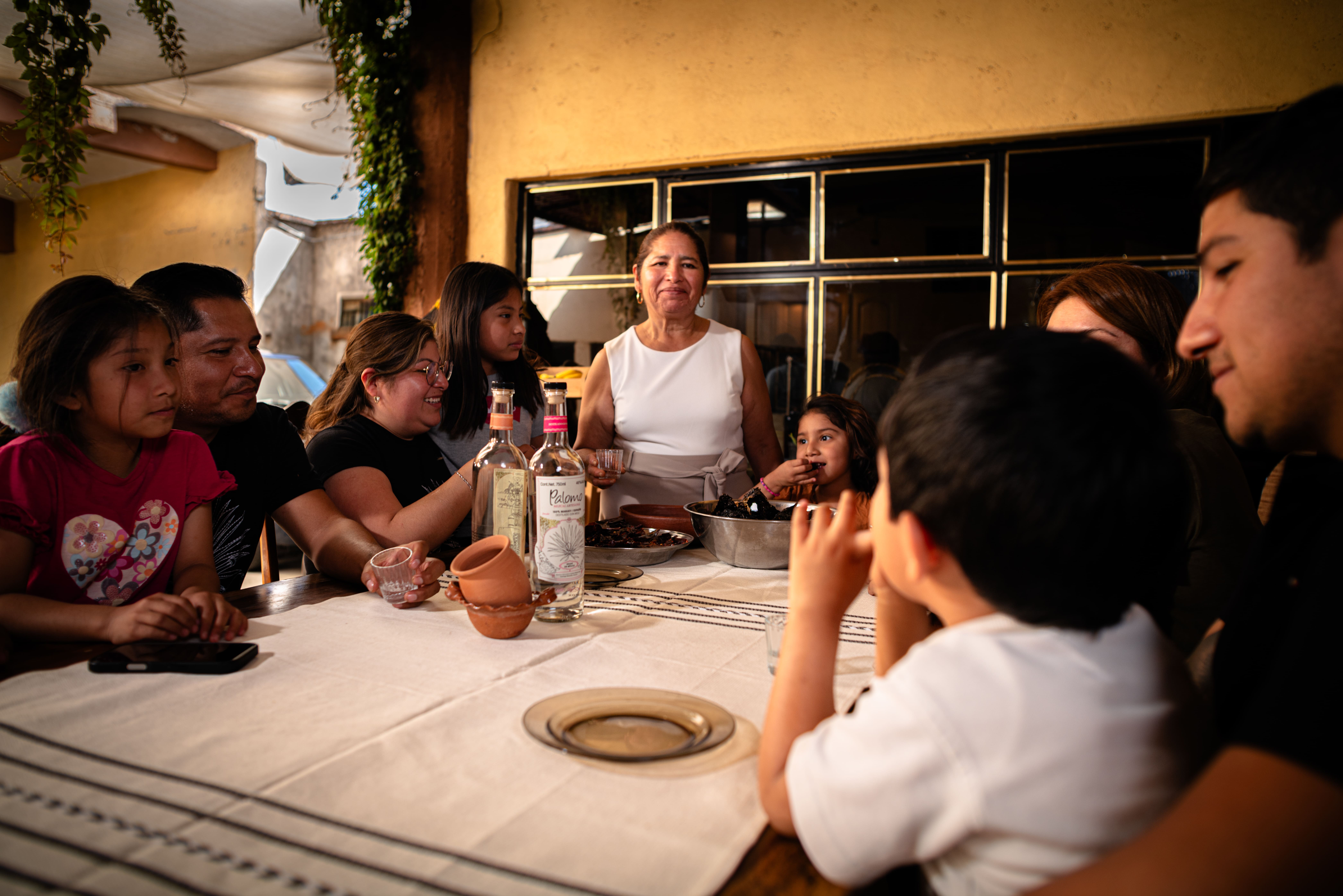
Buying the symbol is celebration; real support begins when the bottle stays connected to its maker.
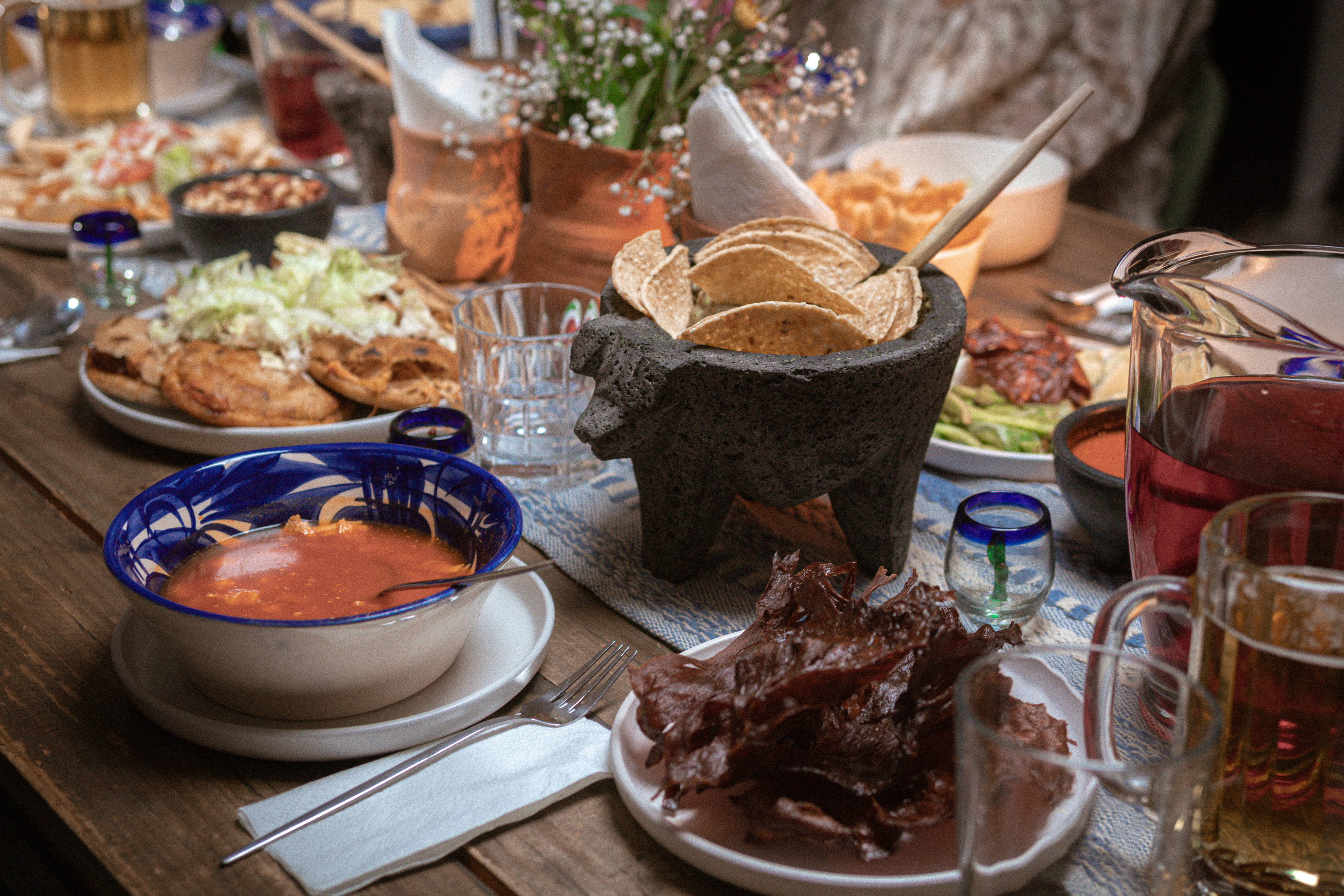
Agave spirits carry more than flavor: they hold memory, land, and forms of resistance against erasure.
In a month crowded with symbols, representing Mexico responsibly means preserving context, limits, and the living truth behind what becomes visible.

By accessing and using PKGD´s website, you agree to the cookie policy outlined in our privacy notice.
By accessing and using PKGD´s website, you agree to the cookie policy outlined in our privacy notice.

















Leave a reply
Lorem ipsum dolor sit amet, consectetur adipiscing elit. Suspendisse varius enim in eros elementum tristique. Duis cursus, mi quis viverra.
Lorem ipsum dolor sit amet, consectetur adipiscing elit. Suspendisse varius enim in eros elementum tristique. Duis cursus, mi quis viverra.