


Walk into almost any American liquor store and before long you will hear someone ask a familiar question: "What's the proof?"
It is one of the oldest terms in the spirits business. Most people know it has something to do with alcohol content. Far fewer know where the word came from or why Americans still use it while much of the rest of the world simply measures alcohol by volume.
Today, proof is easy to calculate. In the United States, it is simply twice the alcohol by volume, or ABV. A spirit bottled at 40% ABV is 80 proof. At 45% ABV it is 90 proof. At 54% ABV it is 108 proof.
Outside the United States, however, proof is rarely the preferred measurement. In Mexico, where the world's best agave spirits are made, bottles are labeled by alcohol by volume. Much of Europe follows the same practice. ABV has become the international standard because it is precise, straightforward, and universally understood.
So why does proof remain part of the American spirits vocabulary?
The answer reaches back several centuries, to a time before laboratories and precision instruments. Merchants needed a way to verify the strength of a distilled spirit, and early tests attempted to "prove" whether the liquid met an expected standard. The methods changed over time, but the purpose remained the same: proof was evidence. It answered a simple question: Is this what someone claims it is?
Today, a bottle can answer that question with remarkable accuracy. The label tells us exactly how much alcohol is inside. It does not tell us much about everything else.
Over the past ten years, I have had the privilege of spending time with families who produce some of the world's finest agave spirits in Mexico. Those experiences have changed the way I think about spirits, but perhaps more importantly, they have changed the questions I ask.
Whenever I visit a producer, I find myself asking one word more than any other: Why?
Sometimes the answer is rooted in generations of tradition. Sometimes it is the result of experimentation. Sometimes it is dictated by available resources, economics, or simply a producer's personal philosophy. Whatever the explanation, I have learned there is usually a thoughtful reason behind the decision. That does not automatically make one choice better than another; it simply provides context.
Recently, I was reminded of this during Tales of the Cocktail in New Orleans. Every year, many of the world's most knowledgeable bartenders, educators, buyers, writers, and spirits professionals gather there to exchange ideas. I expected conversations about cocktails, flavor, production techniques, and emerging categories. Those conversations certainly happened. What surprised me was how often the discussion turned toward ownership.
When we explained that PKGD represents producer-owned brands, people wanted to understand what that actually meant. Not because they were looking for someone to tell them what to think, but because many had never considered ownership as another piece of information behind the bottle.
The distinction is fairly straightforward: in a producer-owned brand, the family or producer who makes the spirit also owns the brand and retains authority over its direction. Many of the world's largest spirits brands operate under a different structure, where ownership, production, and brand management may reside within different companies or organizations.
Neither approach tells us whether the spirit tastes better. Neither guarantees quality. But ownership is another piece of information that helps explain the product.
Eventually, nearly every conversation returns to the same practical questions: What does it taste like? Is it worth the price? Can I buy it again? Everything else (including production methods, ownership, transparency, history, awards, craftsmanship, and regional tradition) helps answer those questions. None of it replaces them.
Each answer adds another piece to the picture; none of them tells the whole story by itself.
One of the most encouraging things I have noticed over the past decade is that consumers, bartenders, and retailers are not becoming less interested in stories: they are becoming more interested in understanding them. Today it is easier than ever to learn who made a spirit, where it came from, how it was produced, and why certain decisions were made. That information does not diminish the enjoyment of a great bottle. If anything, it often makes the experience richer.
Every person will decide for themselves which details matter most. Some will focus on flavor, others on value, others on production, others on ownership. There is not a single right answer, and there does not need to be.
The word "proof" has been part of the spirits business for centuries. Originally, it referred to the strength of the liquid. Today, I think it offers something else as well: the proof printed on the bottle answers one question with precision; the information behind the bottle helps us explore the rest.
This article was structured with the assistance of artificial intelligence (ChatGPT). All content is based on human input and editorial oversight. For more details on how PKGD integrates AI responsibly, please refer to our AI Policy.
At PKGD, we continue investing in brand-led storytelling, creating work designed not only to perform, but to build long-term brand equity.
This article was structured with the assistance of artificial intelligence (ChatGPT). All content is based on human input and editorial oversight. For more details on how PKGD integrates AI responsibly, please refer to our AI Policy.
Four producers reveal what cannot be sacrificed if a spirit is to remain fully itself.
The way we learn to drink tequila can shape what we notice in the glass, and what habit trains us to ignore.
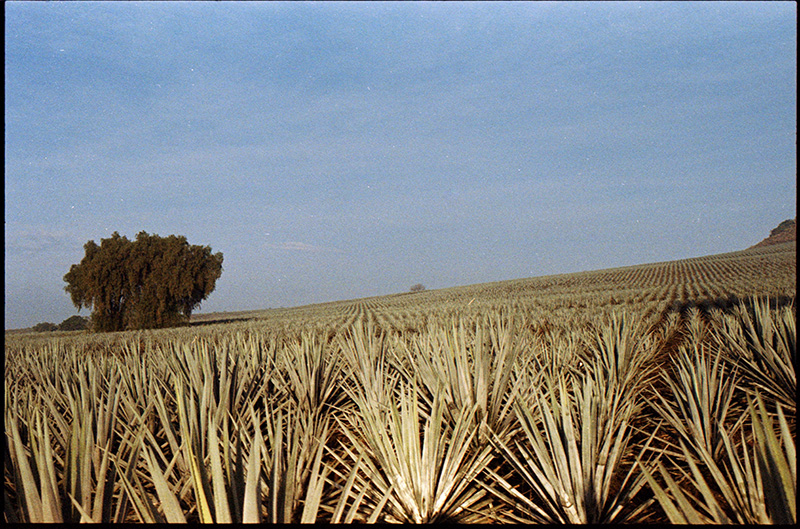
Cheap agave does not erase cost; it delays it, until neglected fields turn a price collapse into an agricultural risk.
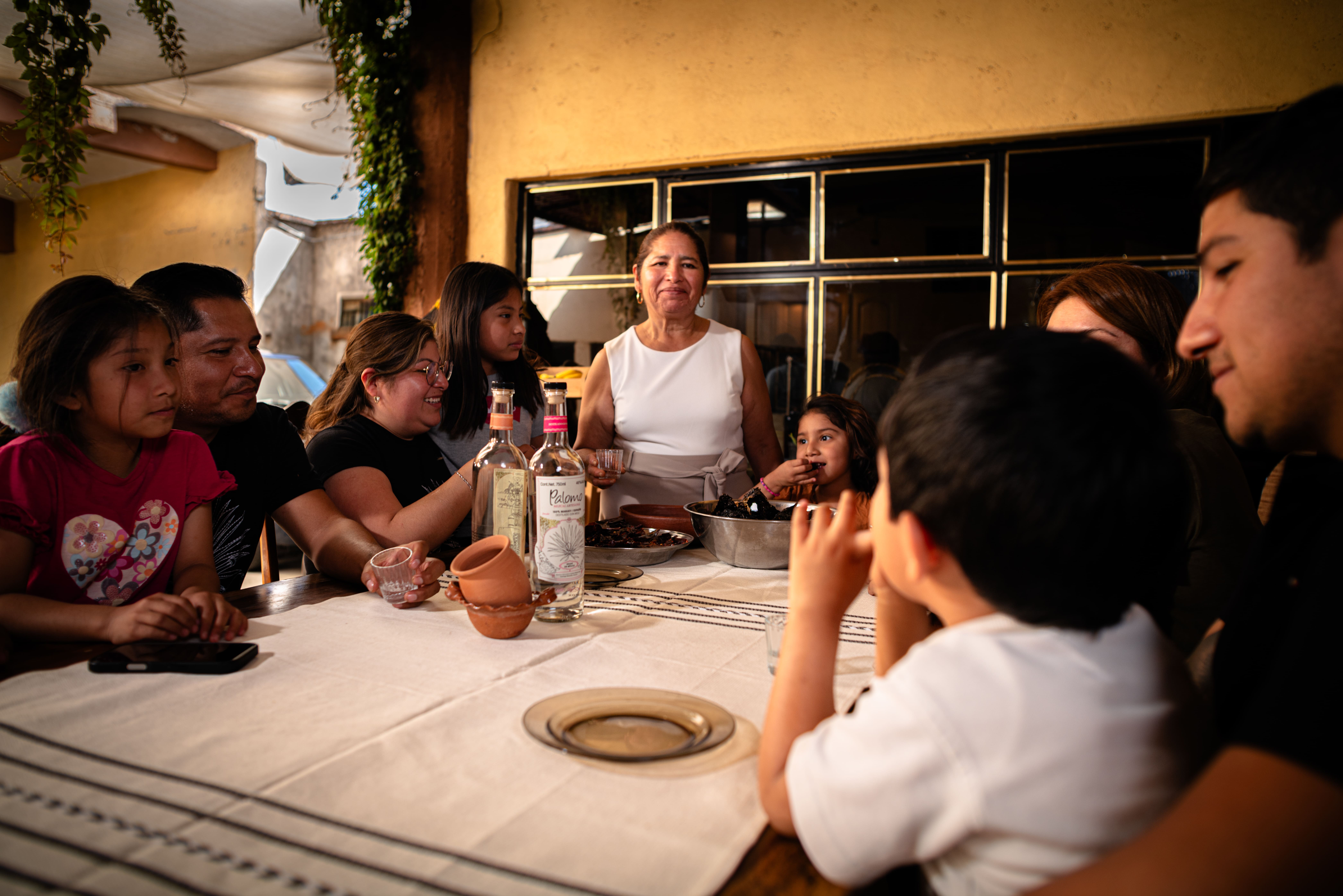
Buying the symbol is celebration; real support begins when the bottle stays connected to its maker.
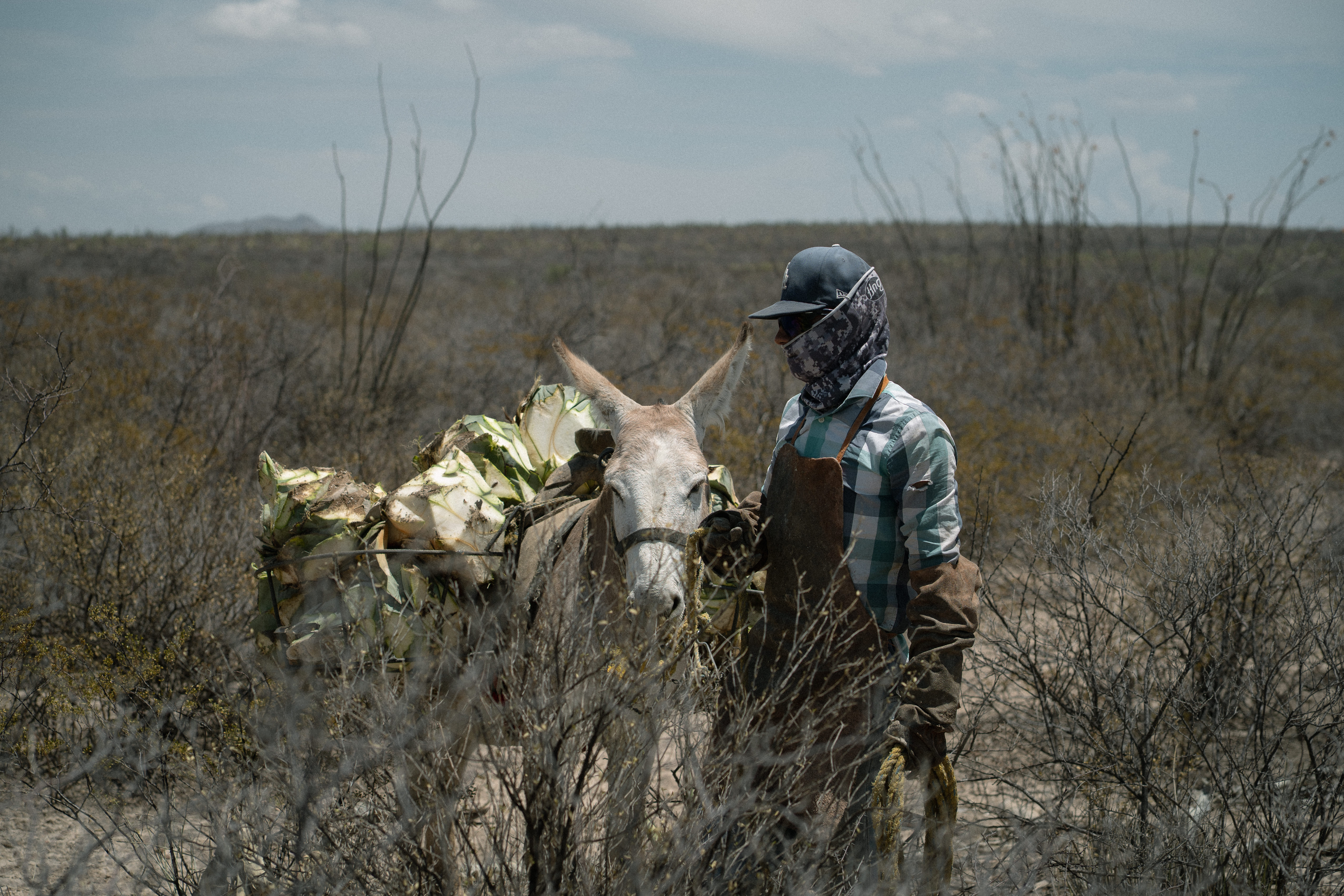
Agave spirits carry more than flavor: they hold memory, land, and forms of resistance against erasure.
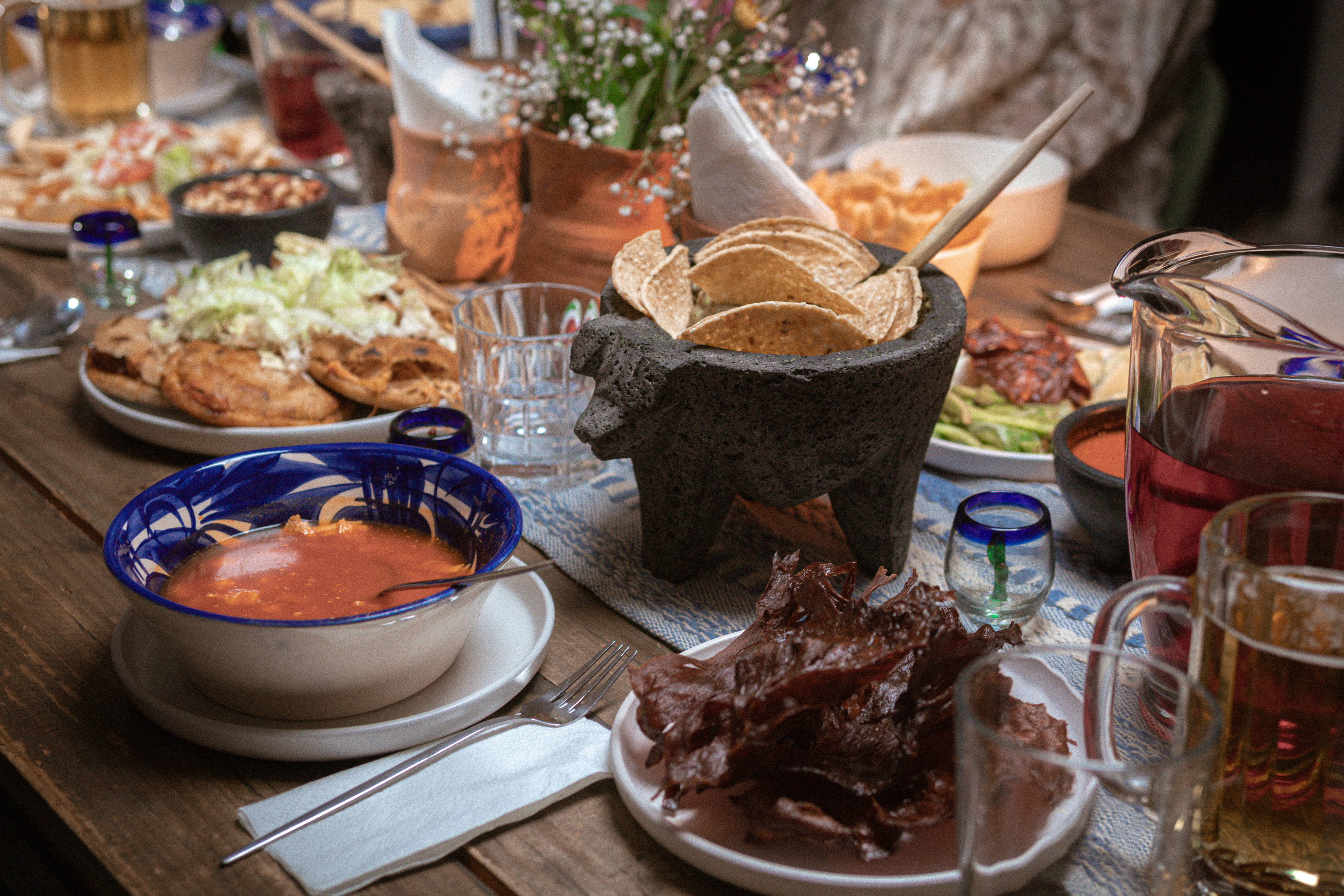
In a month crowded with symbols, representing Mexico responsibly means preserving context, limits, and the living truth behind what becomes visible.

By accessing and using PKGD´s website, you agree to the cookie policy outlined in our privacy notice.
By accessing and using PKGD´s website, you agree to the cookie policy outlined in our privacy notice.









Leave a reply
Lorem ipsum dolor sit amet, consectetur adipiscing elit. Suspendisse varius enim in eros elementum tristique. Duis cursus, mi quis viverra.
Lorem ipsum dolor sit amet, consectetur adipiscing elit. Suspendisse varius enim in eros elementum tristique. Duis cursus, mi quis viverra.