

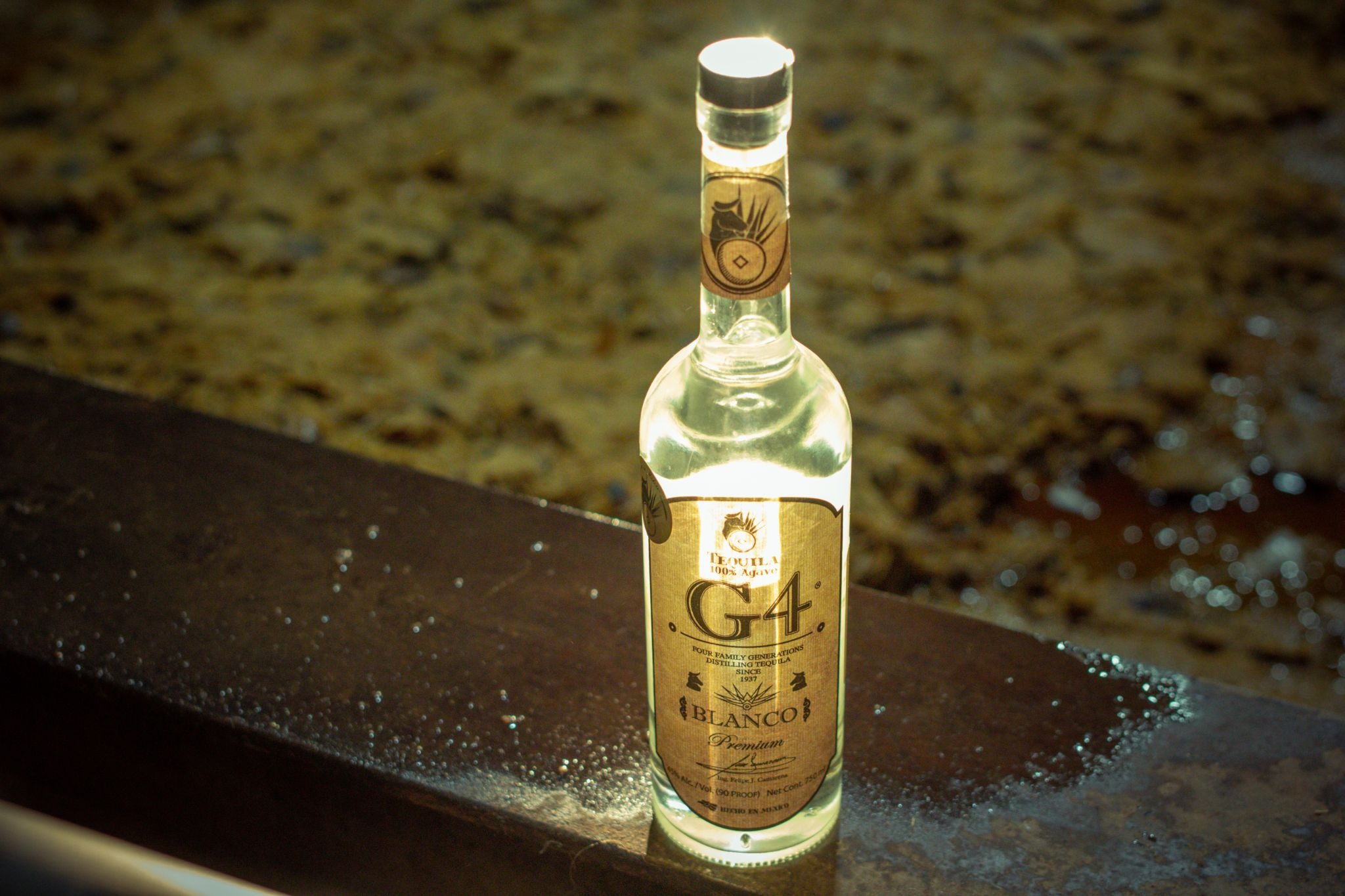
A bottle does not reach the market all at once.
It arrives in parts.
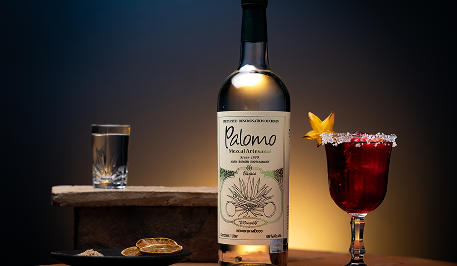
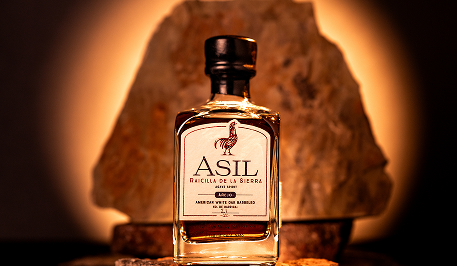
First, on a shelf, where someone has only a few seconds to decide whether it feels familiar, confusing, too expensive, promising, or worth asking about. Then, in a sales meeting, where it has to withstand comparison. Later, behind a bar, where a bartender decides whether it can be explained quickly enough to be served. Finally, it arrives in a retail display, where space is limited and every bottle is expected to communicate its value before anyone even touches it.
By the time a consumer finally buys it, much of that interpretation has already been done for them.
That is what access changes.
Access is not only a matter of a bottle being available. It is about the conditions under which it becomes legible: where it appears, what it is compared to, how quickly it has to communicate its meaning, and what kind of language gets built around it.
That is why access is never merely a logistical matter.
Every step forward in distribution creates a new interpretive environment. A bottle that once existed within a direct conversation with a producer, an importer, or a specialized retailer may later have to make its way through more crowded shelves, surrounded by louder packaging, faster decisions, and more limited attention. In one context, complexity is an advantage. In another, it becomes an obstacle.
That does not make access the enemy.
A product cannot build a future if it remains hidden. A serious spirit still needs presence, explanation, distribution, repeated exposure, and recognition. If a bottle cannot be found, understood, or requested, its quality remains trapped within itself. Obscurity is not a form of preservation.
But once a product begins circulating more widely, the market begins asking certain things of it.
Some of those adjustments are useful. Others are part of the process of becoming understandable
But some mark the beginning of a distortion.
The danger rarely begins with an outright lie. More often, it begins when translation becomes substitution. A production decision becomes an atmosphere. A regional truth becomes a texture. The producer’s authority becomes part of the brand image. What began as clarification ends up replacing the thing it was meant to explain.
This is where certain agave spirits become vulnerable.
Not because they are fragile by nature, but because their value often depends on relationships the market cannot immediately absorb: raw material, place, growing conditions, production decisions, limits, time, sensory character, and the judgment of the people who make the spirit. When access demands that all of this be reduced to something instantly understandable, what disappears is not a decorative detail. It is the product’s underlying structure.
That does not mean products should remain deliberately difficult to understand.
Obscurity is not integrity. Confusion does not protect authenticity. If a bottle cannot be explained honestly in the market, then either the translation is weak or the product world has not been built with enough care.
The standard is not silence. It is precision under pressure.
That is the work.
This is not about protecting the product from the market by denying it access, nor about protecting access by relaxing the demands of truth. The task is harder than either of those positions. It is to expand recognition without surrendering authority. To make the bottle easier to find without making it easier to misread. To help a buyer understand its value more quickly without stripping away the conditions that made that value possible.
That is why access must be governed by clear criteria, not simply pursued.
A product may need wider distribution, clearer positioning, more precise language, better education, or more useful comparisons. All of that may be legitimate. But every improvement has to answer the same question: does it make the product more recognizable for what it truly is, or simply more compatible with what the market already expects?
That distinction determines almost everything. Success does not simply mean that a bottle travels farther from its origin. It means that the product reaches more hands without losing authenticity along the way.
That is what access should change: who can find the bottle, who can understand it, who can ask for it, and who can return to it with greater knowledge. What it must not change is the producer’s authority, the terms that define the truth of the product, or the relationship between what is sold and what it actually contains. Anything else may expand distribution, but it does not build the right market.
This article was structured with the assistance of artificial intelligence (ChatGPT). All content is based on human input and editorial oversight. For more details on how PKGD integrates AI responsibly, please refer to our AI Policy.
This article was structured with the assistance of artificial intelligence (ChatGPT). All content is based on human input and editorial oversight. For more details on how PKGD integrates AI responsibly, please refer to our AI Policy.
At PKGD, we continue investing in brand-led storytelling, creating work designed not only to perform, but to build long-term brand equity.


By accessing and using PKGD´s website, you agree to the cookie policy outlined in our privacy notice.
By accessing and using PKGD´s website, you agree to the cookie policy outlined in our privacy notice.

















Leave a reply
Lorem ipsum dolor sit amet, consectetur adipiscing elit. Suspendisse varius enim in eros elementum tristique. Duis cursus, mi quis viverra.
Lorem ipsum dolor sit amet, consectetur adipiscing elit. Suspendisse varius enim in eros elementum tristique. Duis cursus, mi quis viverra.