



The Chant of Silence will premiere on November 5. The date matters as context; what matters even more is the way of life the film places before us.
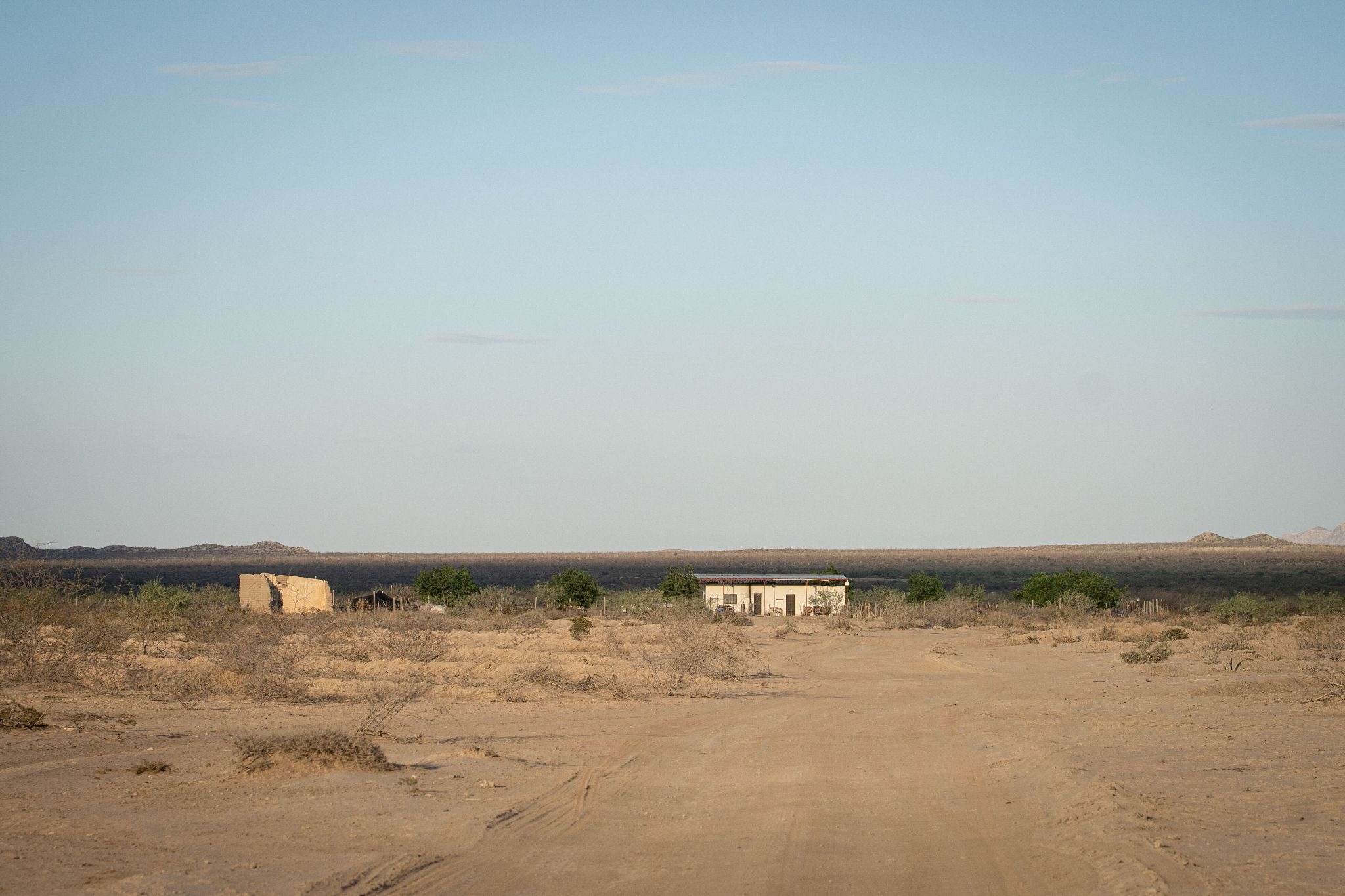
At the center of the documentary is José Luis, known as El Chamán, a cutter of agave and sotol in the Zona del Silencio of Durango. But the film does not simply portray him as an isolated character. Through his work, his surroundings, and the rhythm of his days, it reveals a broader world, marked by effort, endurance, companionship, and knowledge of the land.
This is one of the things the film does best. It does not chase the easy grandeur of the desert or turn hardship into spectacle. Instead, it stays close to a way of life that is often only faintly visible, even when the world around it depends deeply on it.
El Chamán works alongside the cowboys. They move through heat, dust, thorns, insects, and rattlesnakes. Together they identify the agaves, cut them, carry them, and prepare them for transport. They eat together, move at the same pace, and depend on one another. What emerges is not the image of a solitary laborer, but a shared structure of effort, closeness, and mutual support.
The film also resists turning him into a mythical figure. El Chamán is not only a man devoted to labor in the desert. He is also a husband and a father, someone whose work remains deeply tied to the people he loves and supports. That human dimension gives the documentary much of its strength.
The film also shows that silence is not the same as emptiness. The desert it portrays is full of routines, memory, risk, and presence. Even the title begins to take on another meaning as the film unfolds. The chant is not only musical, although the presence of Los Cardencheros gives the region an audible form of continuity. It is also present in repeated gestures, in everyday endurance, and in the lives of those who inhabit this place.
This matters in the world of agave. Too often, spirits are understood from a distance, through price, scarcity, or image, before the labor and conditions that make them possible are understood. The Chant of Silence shortens that distance. It restores proportion between the product and the world that produces it.
That is why its recognition for Best Cinematography, in the Emerging Film category, matters. Not only because it confirms the film’s visual beauty, but because it suggests something more valuable: that it found a just way of looking at this world. The recognition matters because the film did not only find a story, but also a way of seeing it.
When The Chant of Silence premieres on November 5, it will make more clearly visible a way of life on which the world of agave depends and that, even so, is rarely shown in its full dimension.

This article was structured with the assistance of artificial intelligence (ChatGPT). All content is based on human input and editorial oversight. For more details on how PKGD integrates AI responsibly, please refer to our AI Policy.
This article was structured with the assistance of artificial intelligence (ChatGPT). All content is based on human input and editorial oversight. For more details on how PKGD integrates AI responsibly, please refer to our AI Policy.
At PKGD, we continue investing in brand-led storytelling, creating work designed not only to perform, but to build long-term brand equity.

By accessing and using PKGD´s website, you agree to the cookie policy outlined in our privacy notice.
By accessing and using PKGD´s website, you agree to the cookie policy outlined in our privacy notice.



































Leave a reply
Lorem ipsum dolor sit amet, consectetur adipiscing elit. Suspendisse varius enim in eros elementum tristique. Duis cursus, mi quis viverra.
Lorem ipsum dolor sit amet, consectetur adipiscing elit. Suspendisse varius enim in eros elementum tristique. Duis cursus, mi quis viverra.