



When people talk about the profile of a tequila, mezcal, or raicilla, they usually begin with what is most visible: the type of agave, the oven, the tahona, the barrel, the proof. These are easy signals to name and, for that same reason, easy to turn into narrative.
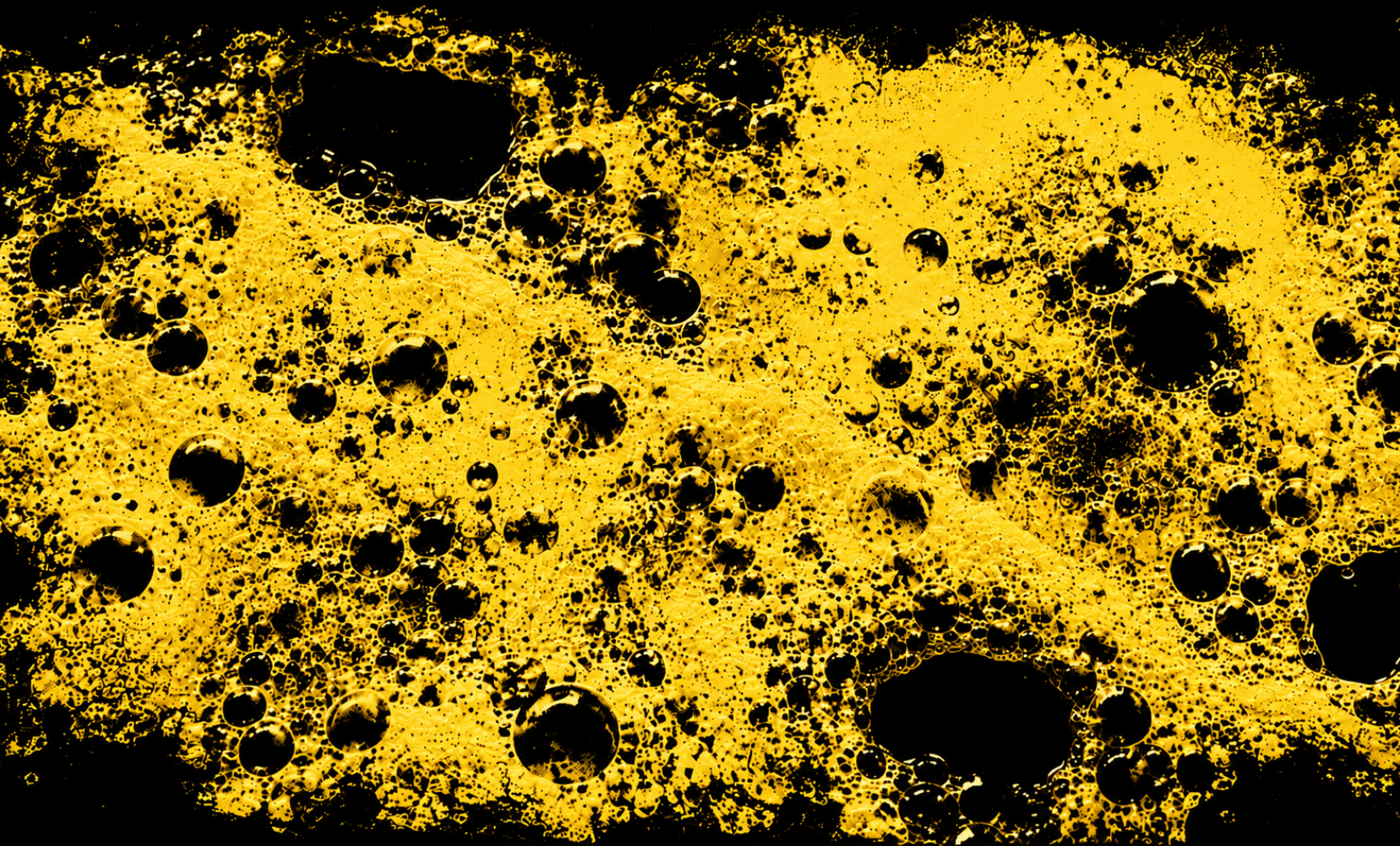
Much less evident is fermentation, even though it is where a huge part of what a spirit will become begins to take shape.
Yeast transforms sugar into alcohol, yes. But its role goes much further than that. It changes texture, opens or narrows complexity, alters the rhythm of the process, and leaves sensory traces that rarely appear in a first reading of the bottle. A different fermentation can change weight on the palate, the way herbal notes emerge, the tension of the finish, or the overall clarity of the profile without altering everything else.
That is why this stage can feel like a nightmare. Not because something is wrong, but because it is decisive. It shifts with the environment, the vessel, the length of fermentation, the presence or absence of fiber, the type of yeast, and the way each producer guides the process.
Much of what later appears in the glass begins to take form here.
Talking about fermentation also opens the door to one of the most expressive parts of a spirit. It is a way of approaching the process from a place that is less obvious and more revealing.
Not every fermentation is trying to do the same thing. Some remain more open to their environment and allow for a more active relationship with variation. Others favor control, cleanliness, and stability in order to protect a recognizable signature. None of those decisions explains itself.
What matters is not which one sounds better in the abstract, but what each one does in the glass. Fermentation should not be read through romance or efficiency alone, but through the way it makes the identity of a spirit more legible.
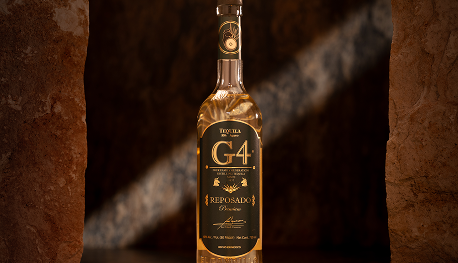
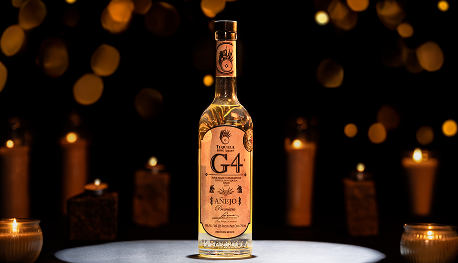
That point becomes especially clear in G4. There, fermentation does not function as a hidden stage behind the rest of the process, but as an active part of the house identity. The family’s ancestral yeast, carried across generations, does not work as a narrative ornament, but as a living continuity within the way this tequila is made. It is not there to build myth, but to sustain a recognizable sensory reading.
In G4 Madera, that relationship becomes even more visible. The interest of this expression is not in simulating another category or borrowing prestige from wood, but in showing how much a tequila can change when fermentation changes: more weight, more texture, more aromatic depth, more evolution.
Not because the liquid has been disguised, but because a different process decision pushed the profile in another direction without breaking its identity.
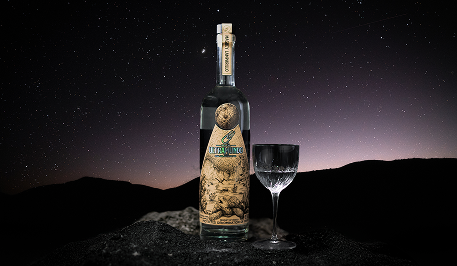
If G4 helps explain fermentation as a house signature, Ultramundo helps show it as an open conversation with place. Its fermentation, more exposed to environment, time, and lot-by-lot variation, is a reminder that not every yeast enters a process in the same way. Sometimes it emerges from the microflora of the place, from the wood, from the must, and from the specific conditions of that moment.
The result is not simply less control. It is a different relationship between process and profile.
That is what makes fermentations like Ultramundo’s feel especially aligned with the title of this article. Not because they are chaotic, but because they remain alive in a way that is difficult to simplify. The environment matters. Time matters. Climate matters too. And all of that can leave a real imprint on the spirit.
When fermentation remains open to the world around it, the result expresses more than agave.
It also expresses a particular way of moving through the process.
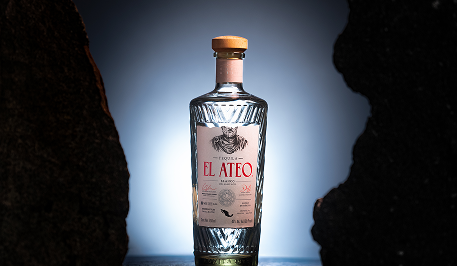
But it would be limited to turn that openness into an automatic superiority. El Viejito helps refine that point. Its more closed fermentation and stronger orientation toward bacterial control show that discipline can also serve a clear expression. To control does not necessarily mean to erase. Sometimes it means protecting balance, reducing unwanted deviations, and keeping a house identity legible from lot to lot.
The important difference is not between good tradition and bad modernity.
It is between processes that reveal more nuance and processes that reduce it.
An open fermentation can produce a deeply expressive spirit. A more controlled fermentation can do that too. The key is how well that decision serves the product and how clearly it can be felt later in the glass.
Learning to look at fermentation does not require becoming a microbiologist. It requires asking better questions. What kind of yeast is working here? How much does it depend on its environment? Is fiber present or not? What role does the vessel play? Which part of the profile may come from that decision? And above all, how does that way of fermenting participate in what we are ultimately tasting?
More than offering a single answer, The Yeast Nightmare proposes a different way of looking. The next time a tequila, mezcal, or raicilla feels especially broad, tense, clean, deep, or changing, it is worth asking one more question:
what happened during fermentation for it to arrive in the glass this way?
That is where this subject stops being a technical detail and becomes a reading tool for the spirit.
This article was structured with the assistance of artificial intelligence (ChatGPT). All content is based on human input and editorial oversight. For more details on how PKGD integrates AI responsibly, please refer to our AI Policy.
At PKGD, we continue investing in brand-led storytelling, creating work designed not only to perform, but to build long-term brand equity.
This article was structured with the assistance of artificial intelligence (ChatGPT). All content is based on human input and editorial oversight. For more details on how PKGD integrates AI responsibly, please refer to our AI Policy.


A heavy bottle can make a spirit seem important before the liquid has shown why it matters.
Some tequilas seem built to produce a favorable reading before they truly show how they were made.
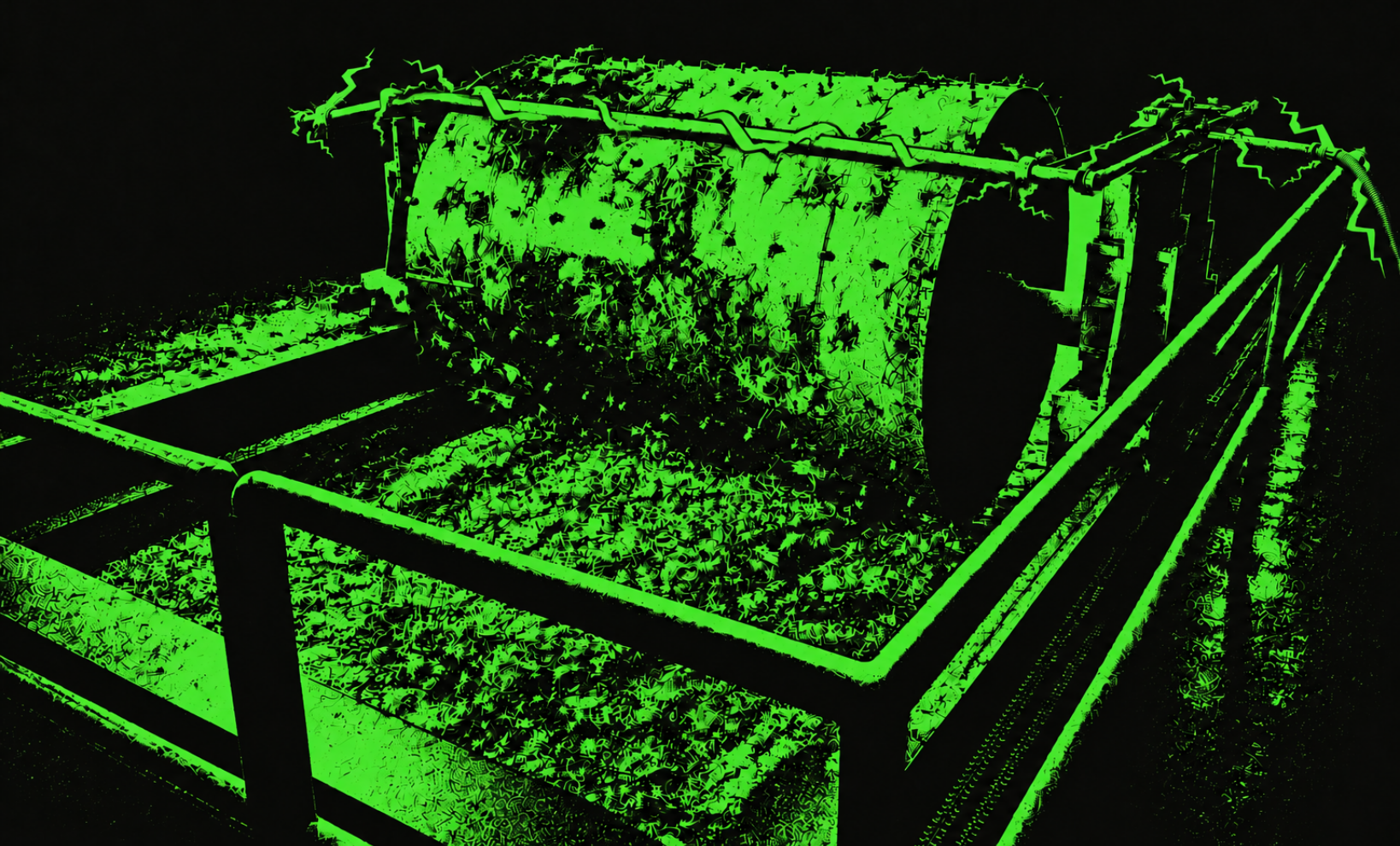
Felipestein looks improbable, but what it proves is simple: a living method is not protected by freezing it in place, but by adjusting it responsibly.
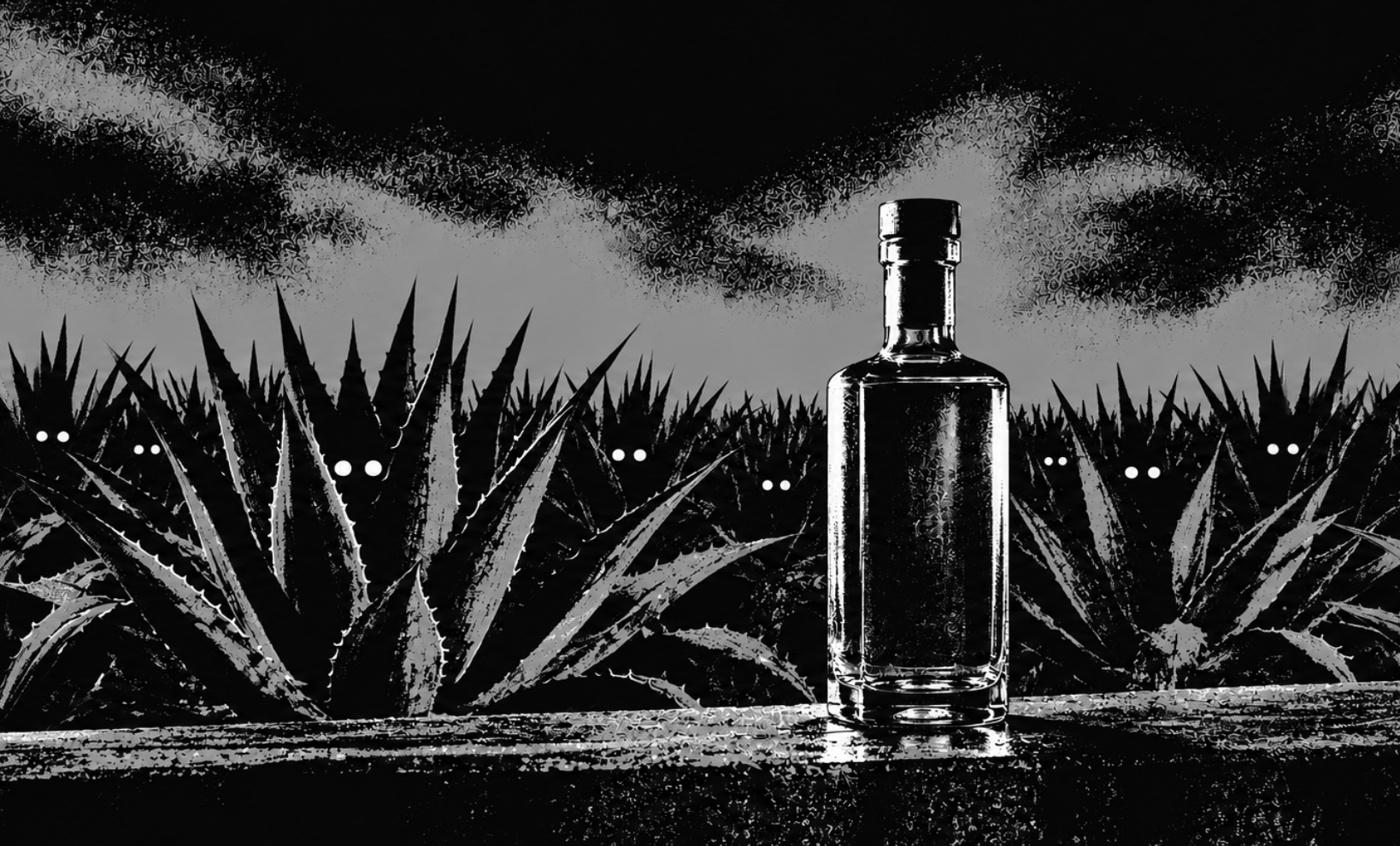
Raicilla is often explained by comparison before it is understood through identity.

Celebrity tequila does not erase the producer. It teaches the consumer not to look for them.
Four producers reveal what cannot be sacrificed if a spirit is to remain fully itself.

By accessing and using PKGD´s website, you agree to the cookie policy outlined in our privacy notice.
By accessing and using PKGD´s website, you agree to the cookie policy outlined in our privacy notice.



























Leave a reply
Lorem ipsum dolor sit amet, consectetur adipiscing elit. Suspendisse varius enim in eros elementum tristique. Duis cursus, mi quis viverra.
Lorem ipsum dolor sit amet, consectetur adipiscing elit. Suspendisse varius enim in eros elementum tristique. Duis cursus, mi quis viverra.