







In commercial tequila shorthand, "smoothness" has become the ultimate virtue. Conventionally, the industry pursues this attribute by reducing alcohol volume with water and stripping essential oils: a technique that simplifies texture to achieve an immediate, lightweight drinkability.
El Ateo was born under a different premise: do not confuse common practice with quality, and prioritize technical truth over market trends.
Master Tequilera Diana Quiroz, operating under NOM 1635, does not seek to round off the agave’s edges. Her approach relies on botany, physics, and an intentional distillation discipline to preserve the density of the agave, even at 50% ABV (100 Proof).
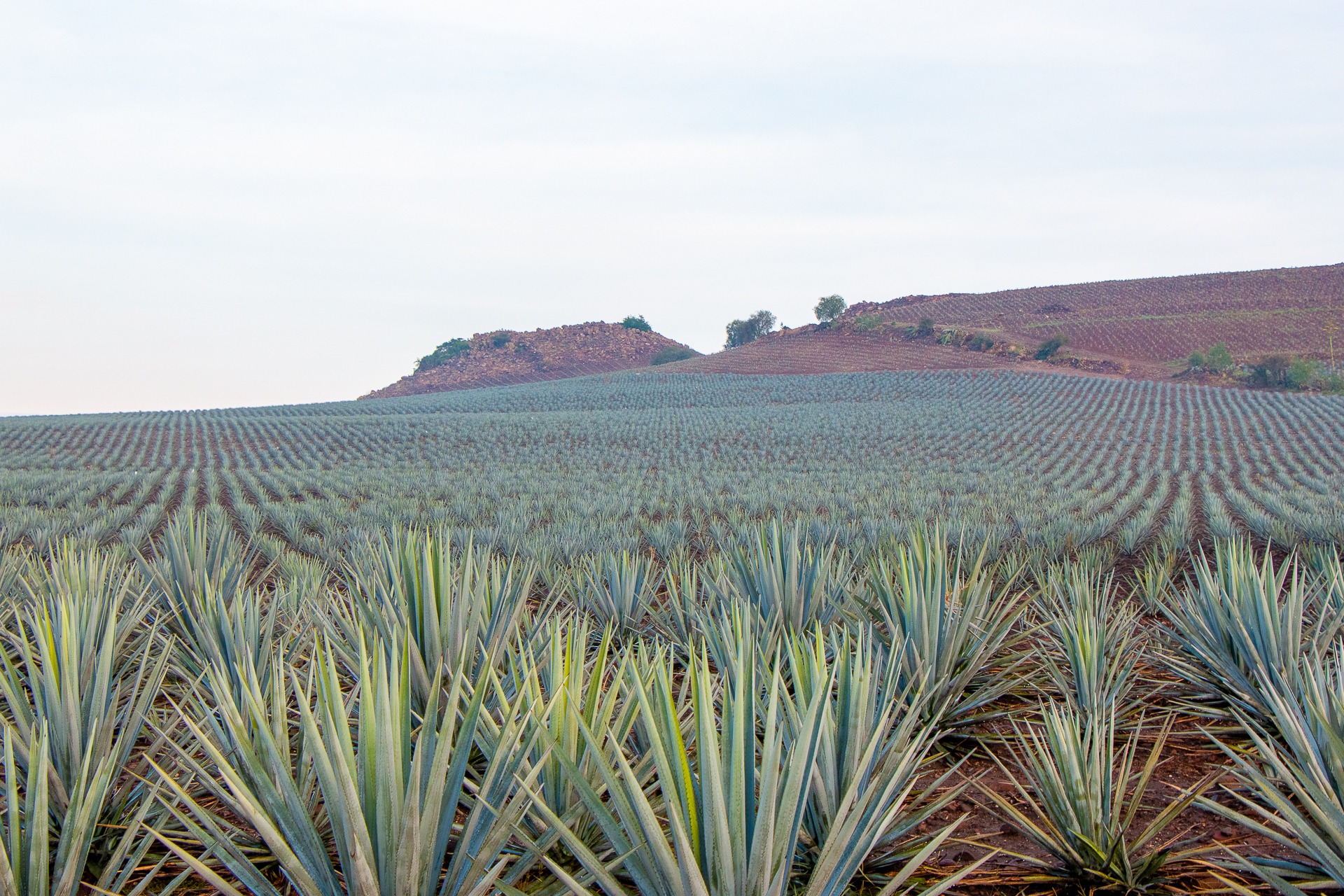
The story of El Ateo does not begin with the idealization of gentle soil. It begins with friction.
While loose soils in Los Altos yield easily to the plant's growth, El Ateo sources its agave from Romita, Guanajuato: a dense, silty-clay terrain with an alkaline pH that demands continuous biological exertion. To survive, the agave cannot simply exist; it must fight.
"The plant is forced to expend an immense amount of energy just to break through the soil and stay alive," Diana explains. "In Romita, agave develops under constant physiological stress."
In botany, severe environmental stress forces the plant to defend itself. To survive drought and hostile soil, the agave synthesizes secondary metabolites: protective molecules created as a shield that ultimately serve as the origin of its aromatic profile.
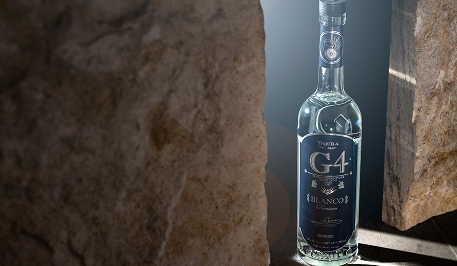
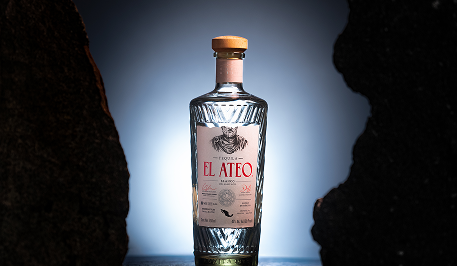
When El Ateo Blanco (Big Bang) reaches the glass, that biological response is precisely what presents on the nose and palate. The jasmine notes supplied by linalool, along with the black pepper nuances from sesquiterpenes, are not aesthetic decisions made in the distillery: they are the direct molecular response of a plant that fought to survive season after season.
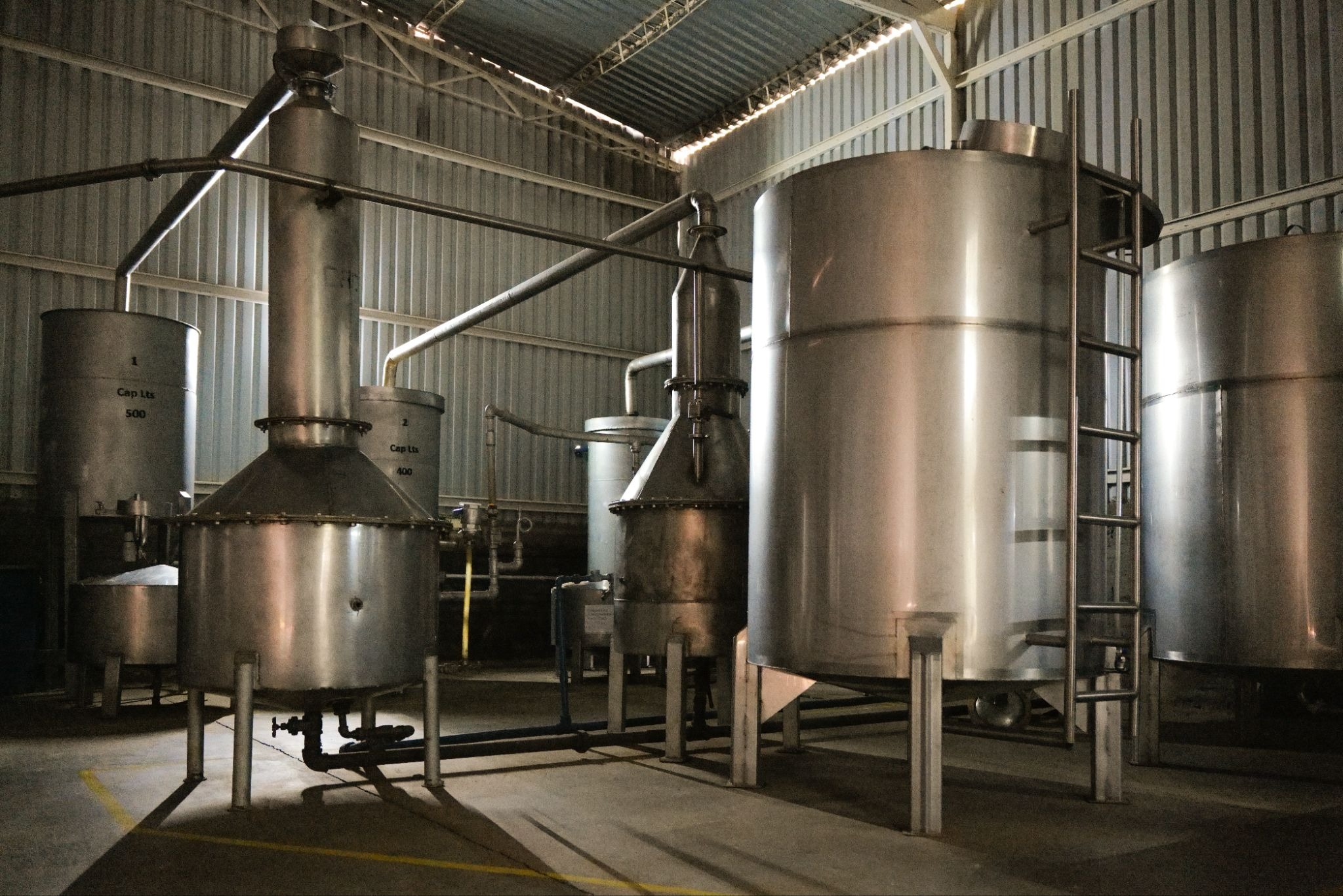
Processing high-density agave demands an environment-driven approach. El Ateo produces its tequila in the Highlands of Jalisco at 1,700 meters above sea level, an elevation where the laws of distillation shift. At this altitude, water and ethanol boil at lower temperatures, triggering vaporization before the standard 78°C threshold.
"If you ignore atmospheric pressure, the vapor moves too fast and carries heavy compounds into the heart of the run," Diana notes. "Controlling that speed requires constant empirical calibration."
To define the cuts, the distillery combines physical control with real-time sensory evaluation. The window to separate heads, heart, and tails is constantly adjusted by reading aroma, flavor, and the still's direct behavior as the run progresses.
The choice of equipment follows that same logic of precision: a hybrid still with a stainless-steel column and a copper head. Stainless steel guarantees thermal stability and vapor consistency, while copper fulfills the essential chemical function of reacting with sulfur compounds from fermentation to eliminate them: leaving a crisp profile while preserving the structural strength of the spirit.
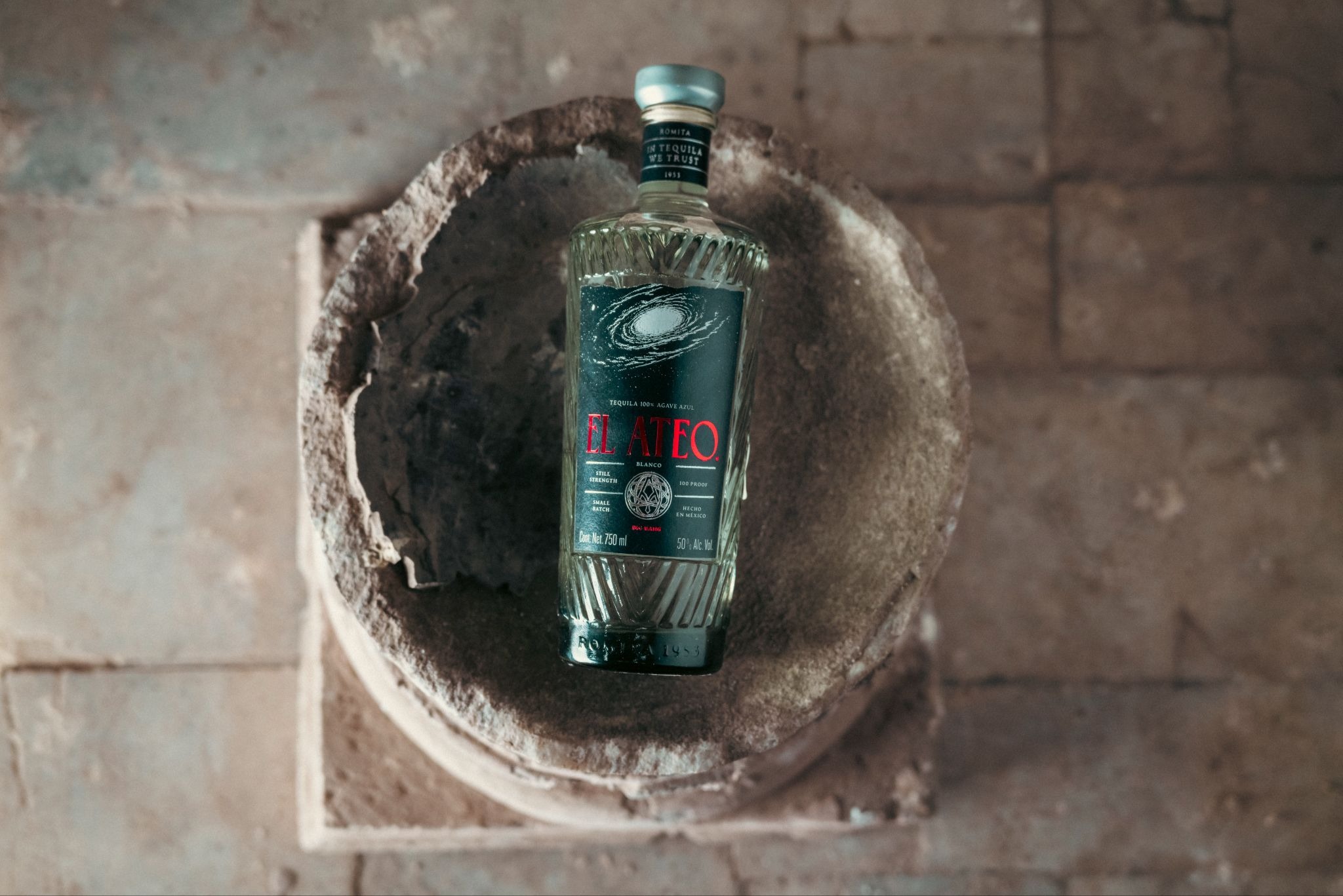
And so we return to the market’s favorite word: smoothness.
When tequila is aggressively cut with water to lower its alcohol volume, impurities aren't eliminated; essential compounds are simply dispersed across a larger volume, diluting the aromatic load and stripping the raw material's natural texture.
“Excessive dilution compromises the distillate's structure,” Diana explains. “Esters and essential oils lose concentration, leaving the spirit light, flat, and without persistence. At its core, it is a false softness.”
For El Ateo Blanco (Big Bang), balance isn't forced with water nor disguised with wood. Liquid integrity is a purely molecular process: resting in stainless steel tanks without external intervention or forced oxidation, water and ethanol molecules gradually integrate until reaching their optimal maturation point.
When it enters the bottle at 50% ABV (100 Proof), the result is not an aggressive spirit, but a profile that was given the necessary time to structure its own components.
A deeply rooted prejudice surrounds 50% ABV (100 Proof) spirits: it is often assumed that higher alcohol strength inevitably leads to a harsher palate experience.
Diana Quiroz dismantles this assumption:
"Heat isn't caused by alcohol volume; it's caused by chemical imbalance."
Palate burn or aggressive off-notes are typically the result of accelerated fermentations or imprecise cuts that allow higher fusel alcohols to pass through. At El Ateo, fermentation is slow, cool, and strictly controlled. By preserving fatty acids and esters during fermentation, and safeguarding them through rigorous cuts, the spirit achieves an almost viscous, silky mouthfeel.
Furthermore, a fundamental chemical reality applies: alcohol acts as the natural solvent for aromatic compounds. At 50% ABV, the spirit retains an aromatic concentration that dilution would simply destroy.
"Alcohol is not something we try to hide or tame," Diana concludes. "At 100 Proof, alcohol is not an aggression. It is the vehicle carrying the full complexity of the agave directly to the palate."
El Ateo was not engineered under the logic of industrial efficiency. It is an exercise in botany, physics, and technical discipline: proof that when you respect the time required by the agave and the science of the process, truth needs no dilution.
This article was structured with the assistance of artificial intelligence (ChatGPT). All content is based on human input and editorial oversight. For more details on how PKGD integrates AI responsibly, please refer to our AI Policy.
At PKGD, we continue investing in brand-led storytelling, creating work designed not only to perform, but to build long-term brand equity.
This article was structured with the assistance of artificial intelligence (ChatGPT). All content is based on human input and editorial oversight. For more details on how PKGD integrates AI responsibly, please refer to our AI Policy.
Four producers reveal what cannot be sacrificed if a spirit is to remain fully itself.
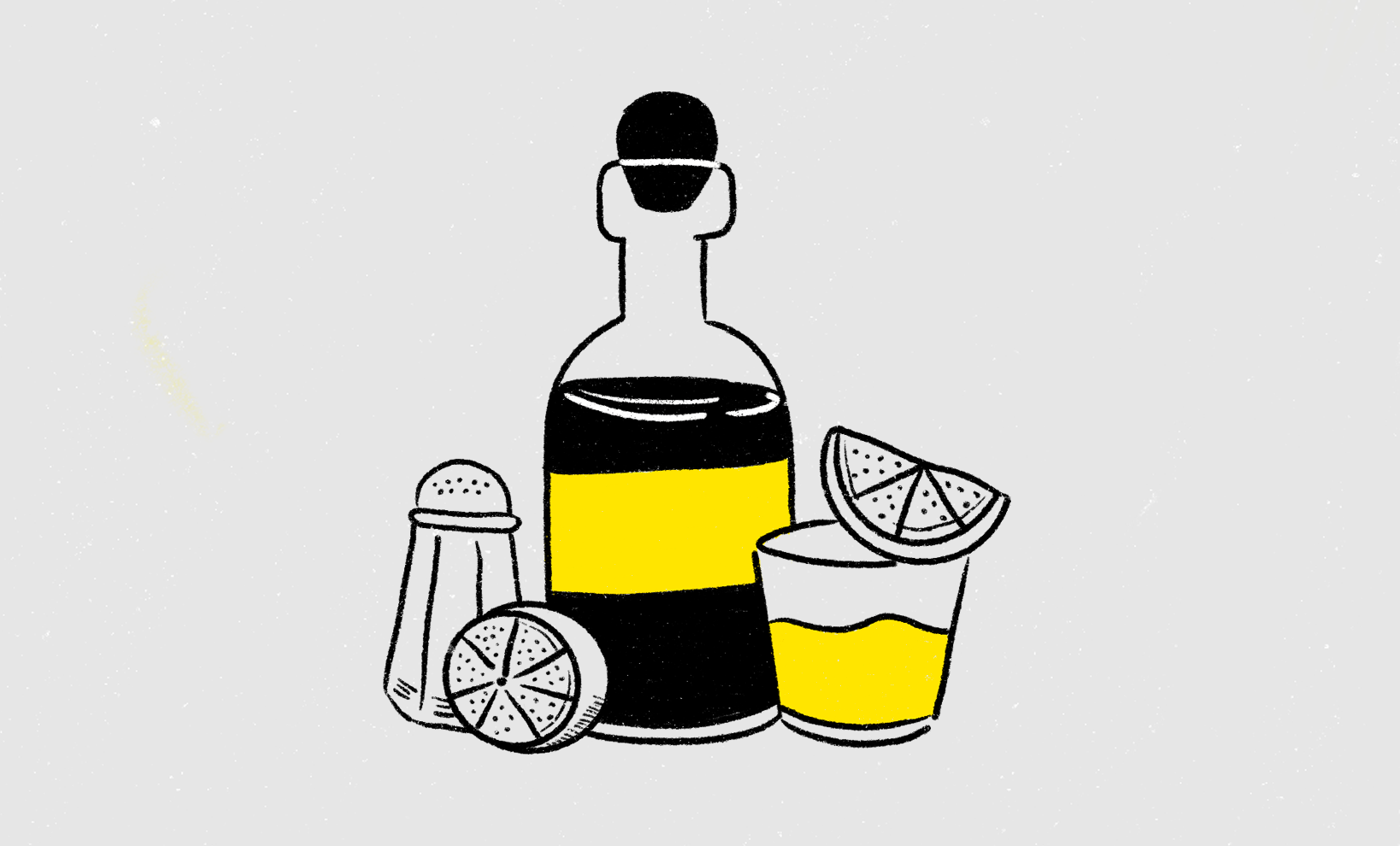
The way we learn to drink tequila can shape what we notice in the glass, and what habit trains us to ignore.
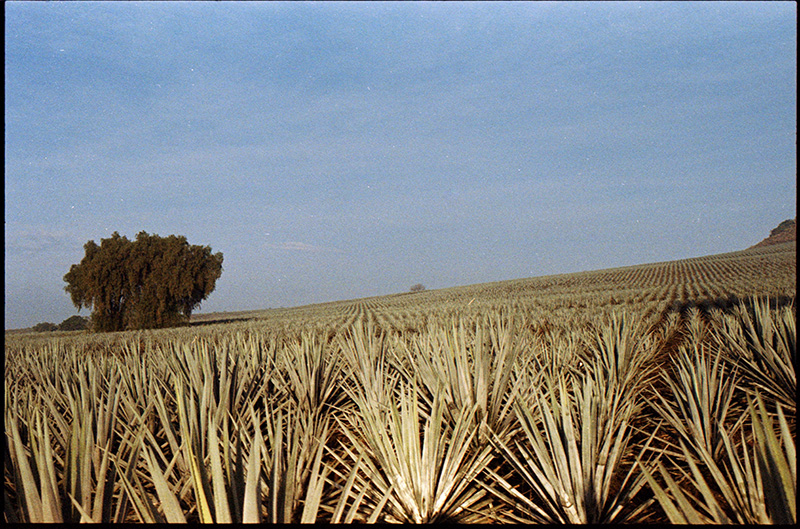
Cheap agave does not erase cost; it delays it, until neglected fields turn a price collapse into an agricultural risk.
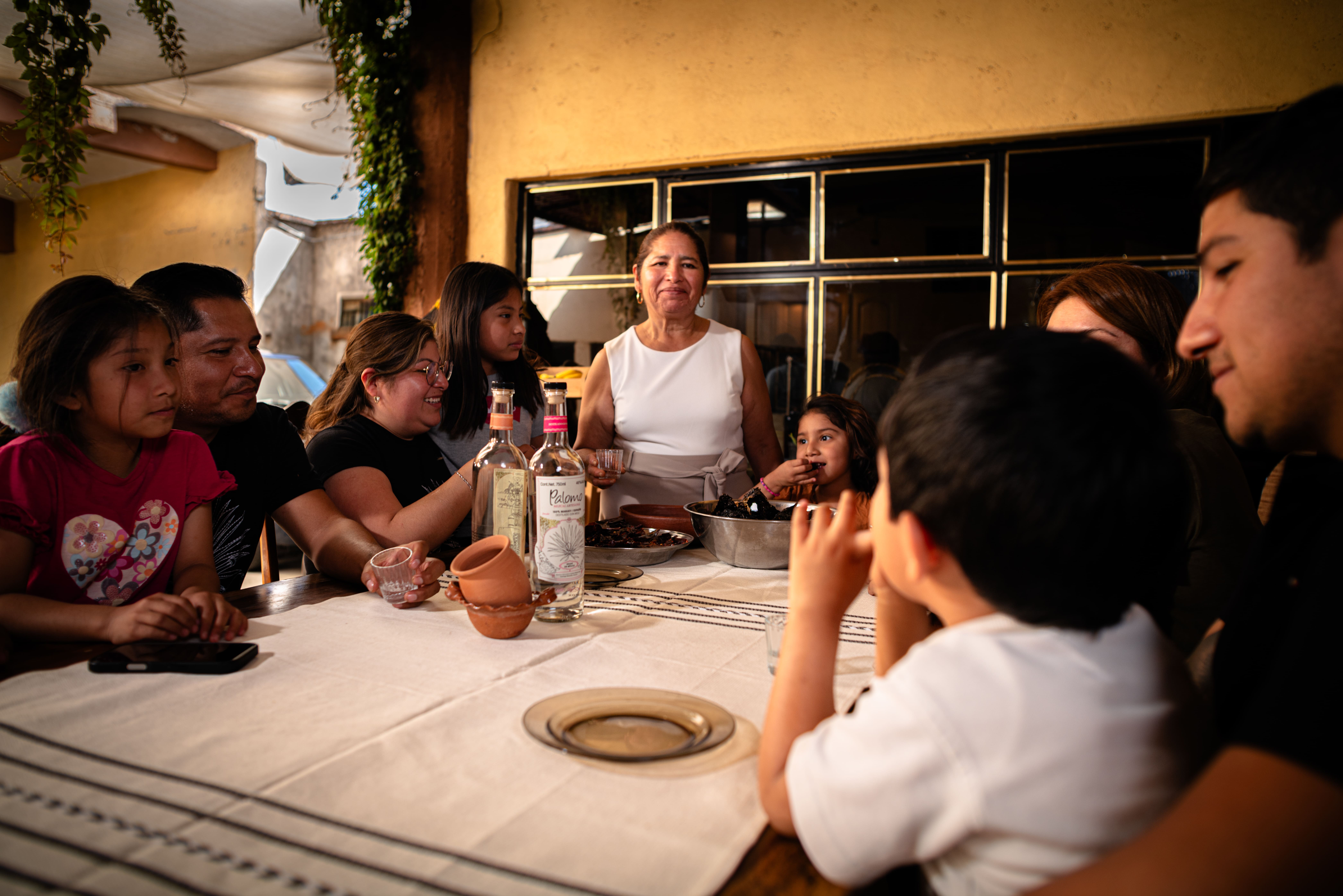
Buying the symbol is celebration; real support begins when the bottle stays connected to its maker.
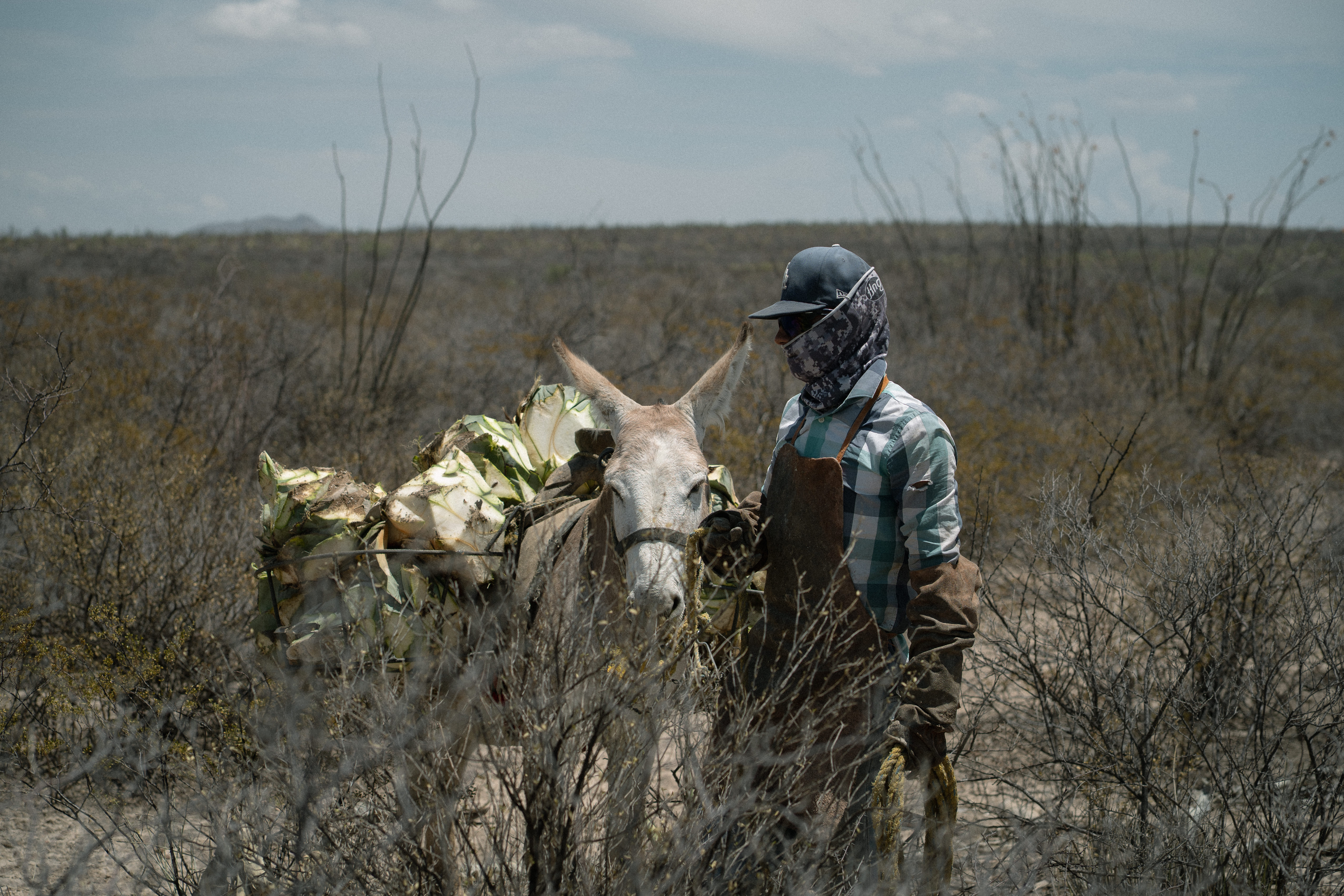
Agave spirits carry more than flavor: they hold memory, land, and forms of resistance against erasure.
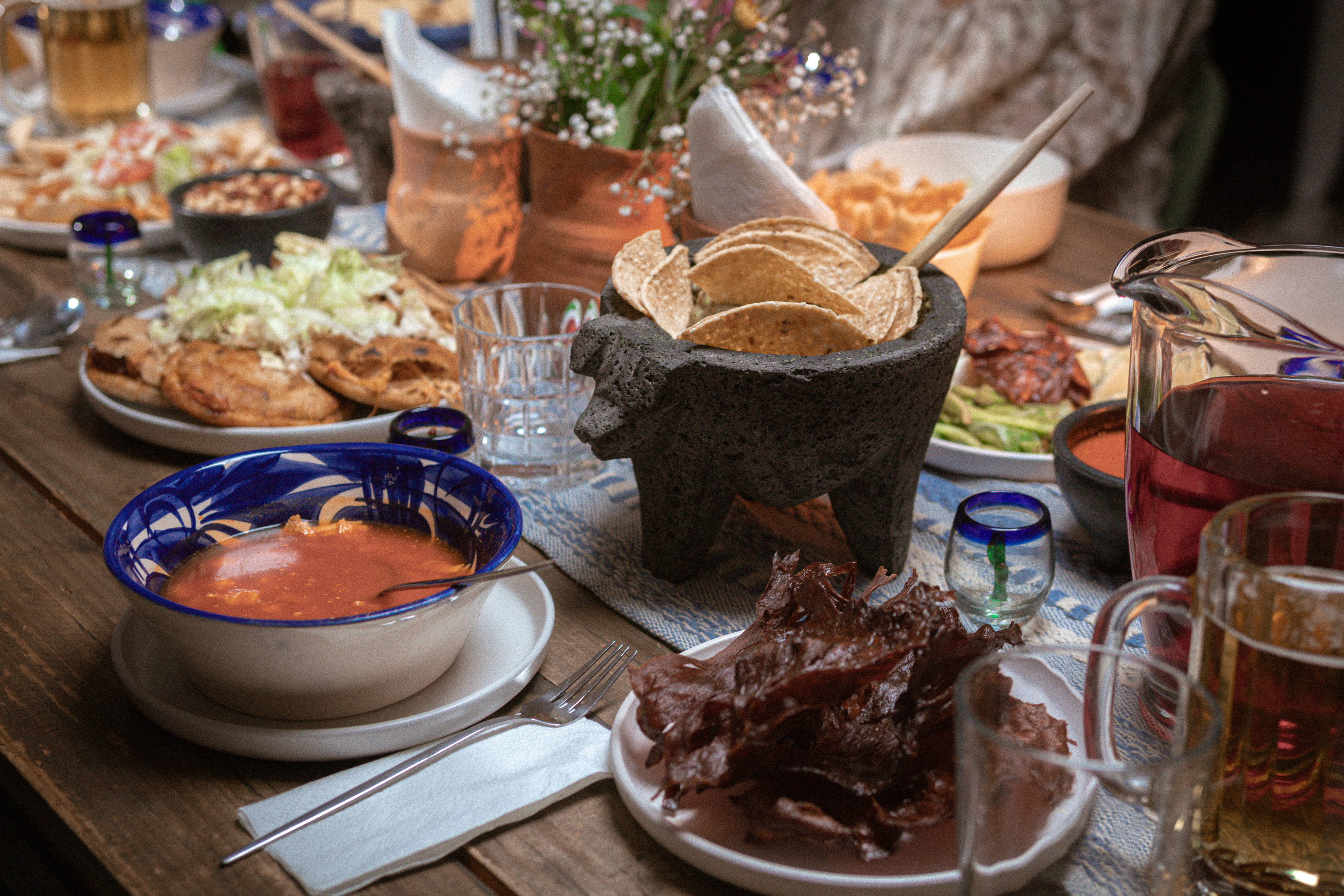
In a month crowded with symbols, representing Mexico responsibly means preserving context, limits, and the living truth behind what becomes visible.

By accessing and using PKGD´s website, you agree to the cookie policy outlined in our privacy notice.
By accessing and using PKGD´s website, you agree to the cookie policy outlined in our privacy notice.


























Leave a reply
Lorem ipsum dolor sit amet, consectetur adipiscing elit. Suspendisse varius enim in eros elementum tristique. Duis cursus, mi quis viverra.
Lorem ipsum dolor sit amet, consectetur adipiscing elit. Suspendisse varius enim in eros elementum tristique. Duis cursus, mi quis viverra.