



The desert does not yield to ornament. In the arid expanse of the Comarca Lagunera, where the earth dissolves into dust and the horizon operates as a line of heat, survival demands an aggressive form of adaptation. Here grows the cardenche: a coarse, hostile cactus defined by its defense mechanisms. The elders of Durango say the plant’s name carries a double weight. A cardenche thorn enters the flesh with a sharp, clean strike; but when you attempt to pull it out, its reverse barbs tear the muscle, provoking deep agony.
It is no coincidence that Mexico’s most melancholic musical tradition shares its name with this plant. Canto cardenche is a song of uprooting, born in the late 19th century from the collective exhaustion of peones and seasonal laborers subjected to near-slave conditions in the haciendas of Durango and Coahuila. Dispossessed, stripped of their land, and denied access to musical instruments, these men weaponized the only resource available: the naked human voice, sharpened with local destilados to anesthetize the throat and scrape the tone.
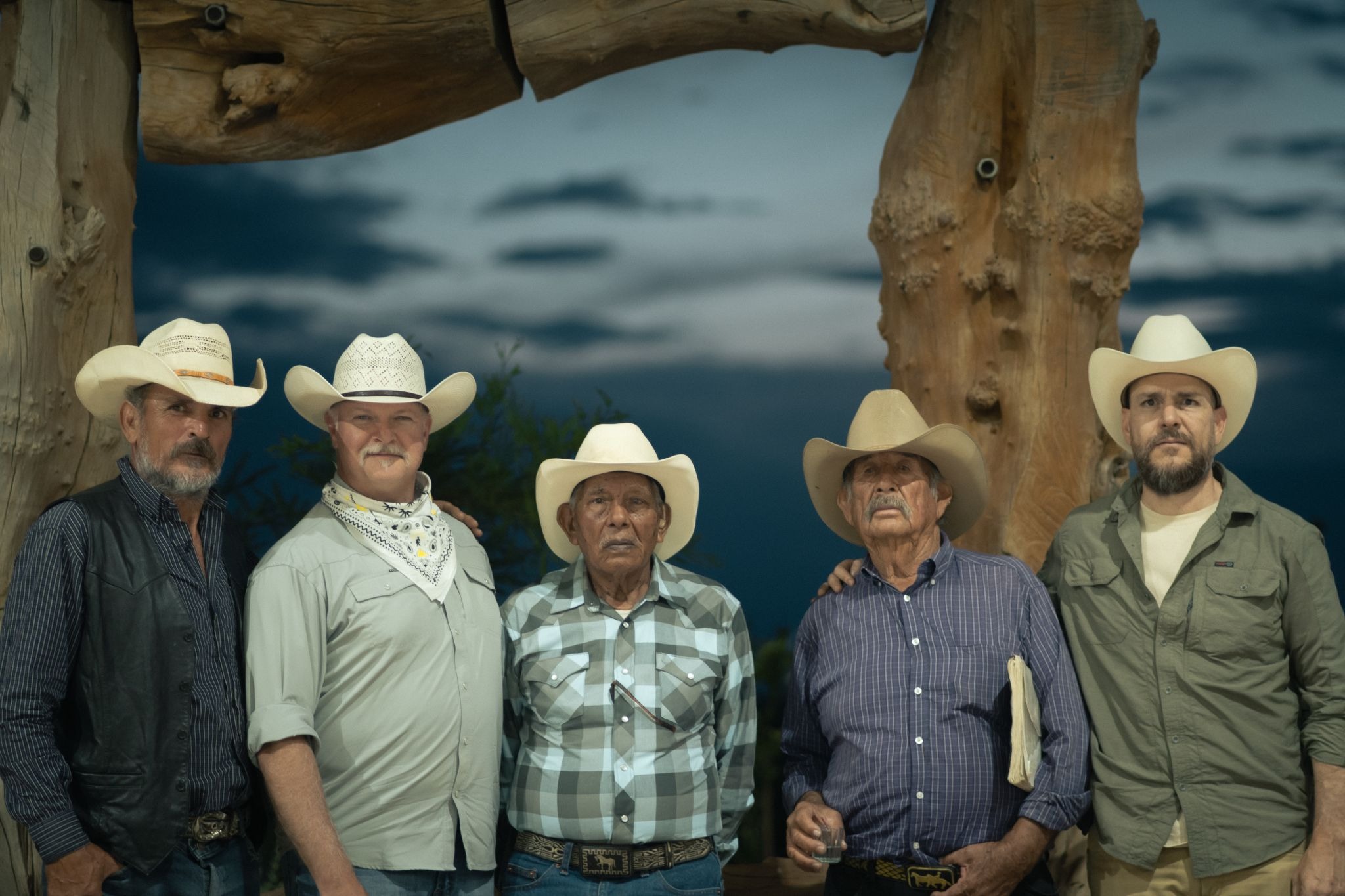
Today, this heritage faces extinction. The entire geographical survival of the genre is compressed into a single coordinate: the village of Sapioriz, in Durango. It is there that the last three historical cardencheros—Don Guadalupe Salazar, Don Jaime de la Rosa, and Don Aurelio Castillo—preserve a sound that mimics the landscape that birthed it: arid, unoptimized, and heavy with a lamento that refuses to resolve.
As an acoustic phenomenon, canto cardenche is an anomaly in traditional folklore. It operates under a strict polyphony executed entirely a capella. The structure relies on three distinct vocal roles that function as a single physical architecture:
In cardenche, rhythm is liberated from the tyranny of the metronome. There is no fixed pulse; the cadence is dictated solely by shared respiration, heartbeats, and the emotional exhaustion of the performance. The execution relies heavily on the deliberate prolongation of silence—extended voids in the middle of a stanza that force the listener to confront the weight of the room. Phrases invariably conclude with a dragged tone that breaks abruptly—a sudden rupture of breath that perfectly imitates the gasp following an animalistic sob.
The lyrics read like an unedited dialogue between Juan Rulfo’s Pedro Páramo and Octavio Paz’s isolation: narratives of deep betrayal, hard labor, migration, and the desperate refuge found at the bottom of an unlabeled bottle of spirit.
To experience this in the field is to witness a historical threshold. During our recent encounter in Durango, the three men placed themselves in extreme physical proximity—a technical necessity for a genre where singers must feel the resonance of each other’s chests and read the micro-movements of their partner’s eyes. They did not look at us, nor did they look at each other. Each cantor stared into his own private horizon, maintaining a wise, respectful distance from the other's grief.
This pain, upon being heard, ceases to belong solely to the desert and embeds itself within the listener’s consciousness. When the trio’s first notes cut through the air, the sound was not perceived as melodic; it was visceral, a physical frequency that altered the heart rate of those occupying the space.
By the fourth song, the cardenche music had already pierced the skin. Tears or physical reactions to this singing do not appeal to musical empathy; they operate as a shockwave. It is a paradoxical healing process that mirrors the exact physical mechanism of extracting a thorn from the flesh.
Toward the end, Don Guadalupe announced a final piece, a highly personal composition on the passage of time. He sang alone, without the harmonic cushion of Jaime or Aurelio. His voice carried the weight of watching his own body wither alongside the imminent disappearance of his genre. He sang about his deceased companions, about the absolute absence of a younger generation willing to inherit the friction of this music. His voice fractured repeatedly, but he refused to stop.
The environment registered the fracture: the crackle of the ground, the shallow breath of those present, and the dry silence that Don Guadalupe dropped after his last breath. A dense void settled over the desert for several seconds before anyone could even attempt to break it.
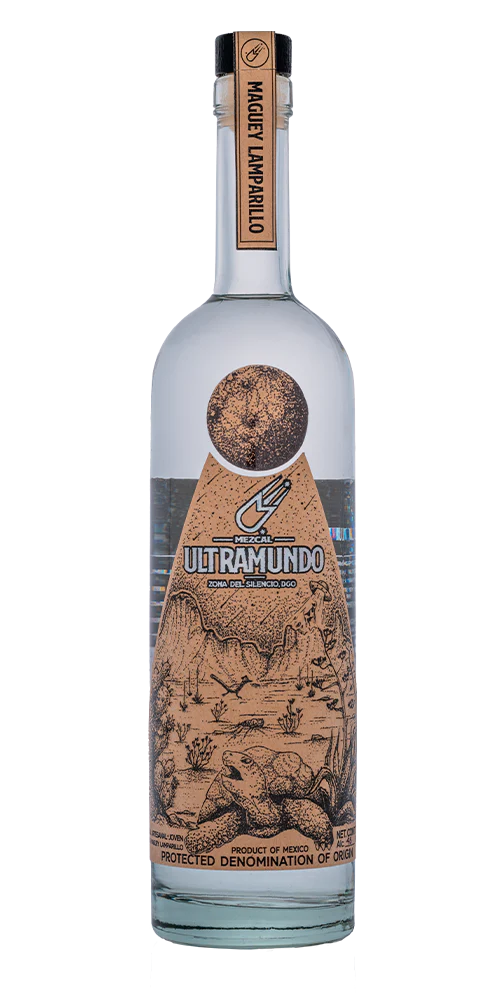
A few kilometers away, beneath the same cracked earth of the Zona del Silencio, the wild Lamparillo agave silently resists its own hostility for twenty years before revealing its spirit. They are two parallel miracles born from the same scarcity, sharing the exact same threshold of that which refuses to disappear.
This article was structured with the assistance of artificial intelligence (ChatGPT). All content is based on human input and editorial oversight. For more details on how PKGD integrates AI responsibly, please refer to our AI Policy.
At PKGD, we continue investing in brand-led storytelling, creating work designed not only to perform, but to build long-term brand equity.
This article was structured with the assistance of artificial intelligence (ChatGPT). All content is based on human input and editorial oversight. For more details on how PKGD integrates AI responsibly, please refer to our AI Policy.



Four producers reveal what cannot be sacrificed if a spirit is to remain fully itself.
The way we learn to drink tequila can shape what we notice in the glass, and what habit trains us to ignore.
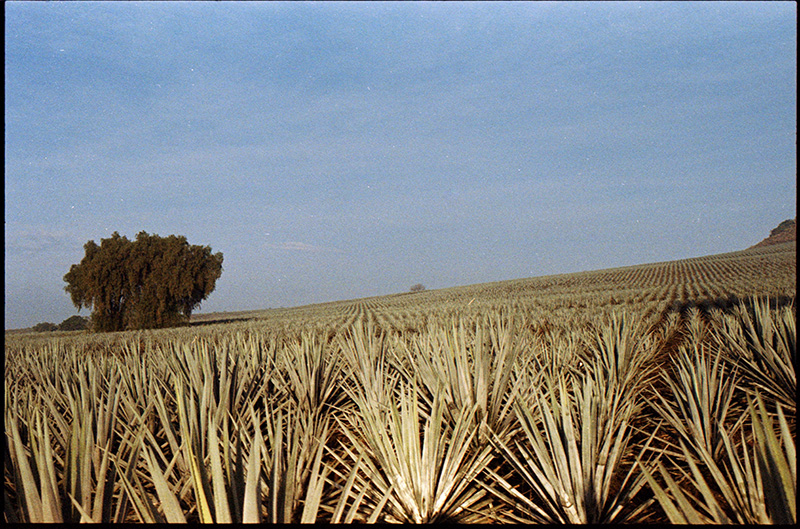
Cheap agave does not erase cost; it delays it, until neglected fields turn a price collapse into an agricultural risk.
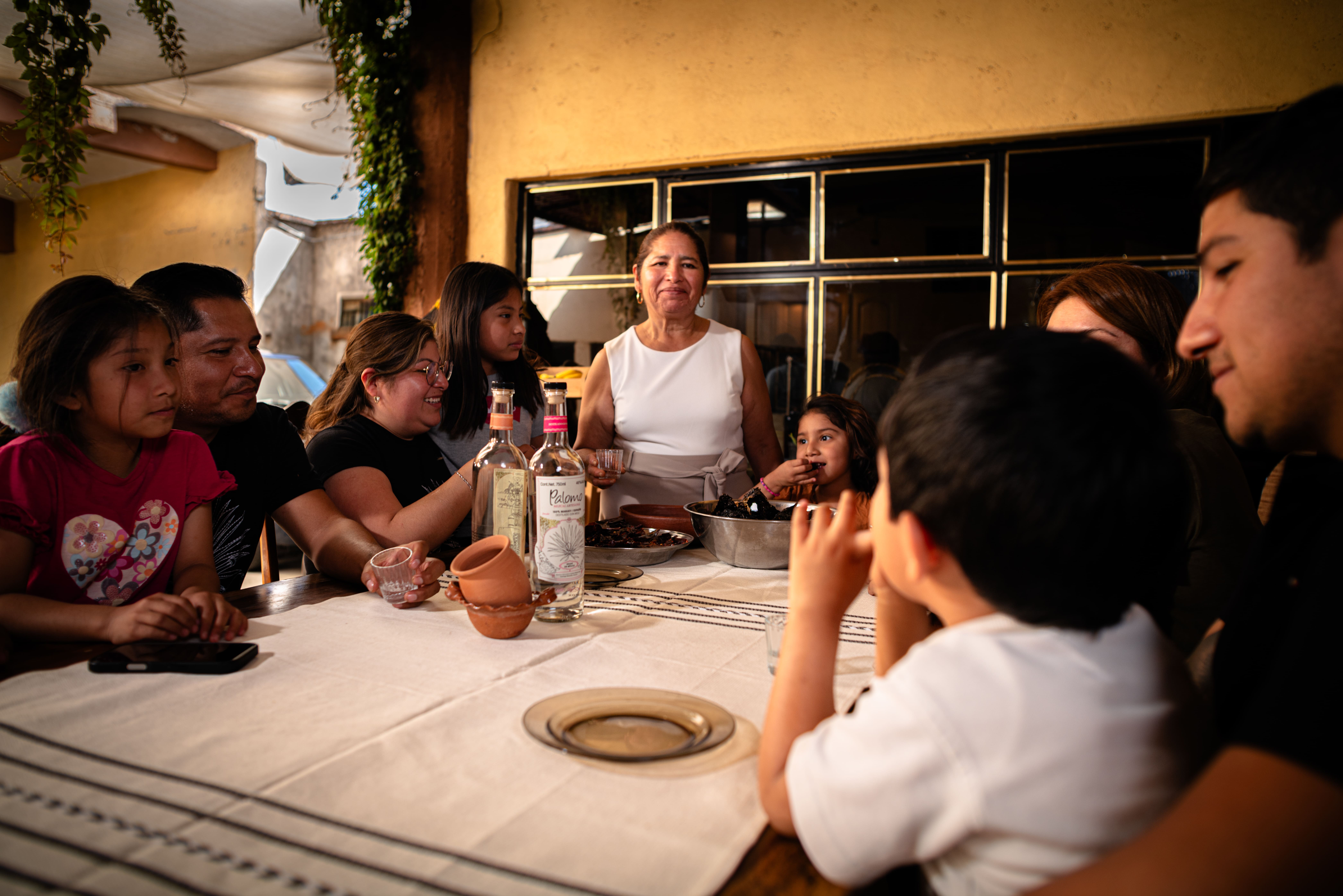
Buying the symbol is celebration; real support begins when the bottle stays connected to its maker.
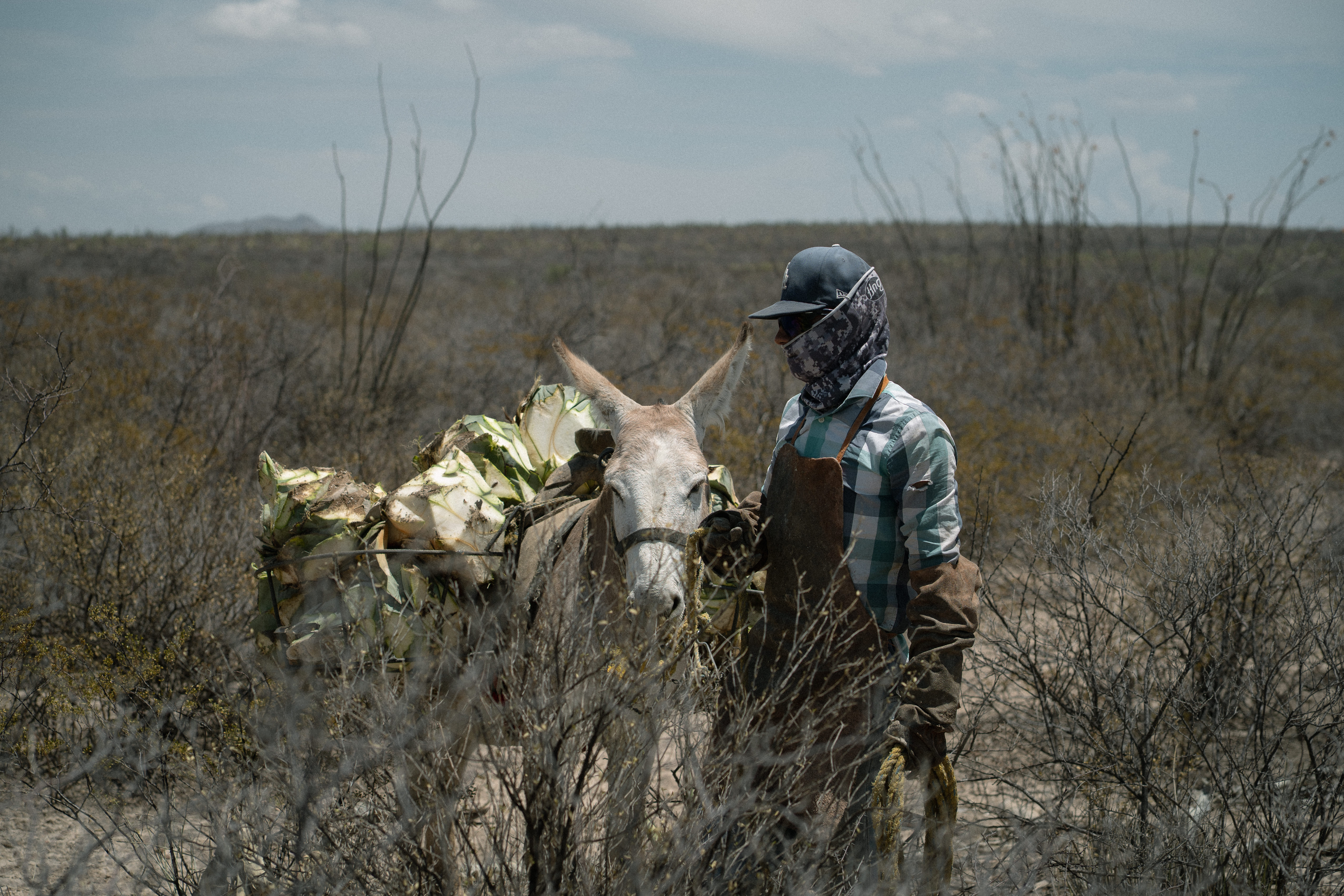
Agave spirits carry more than flavor: they hold memory, land, and forms of resistance against erasure.
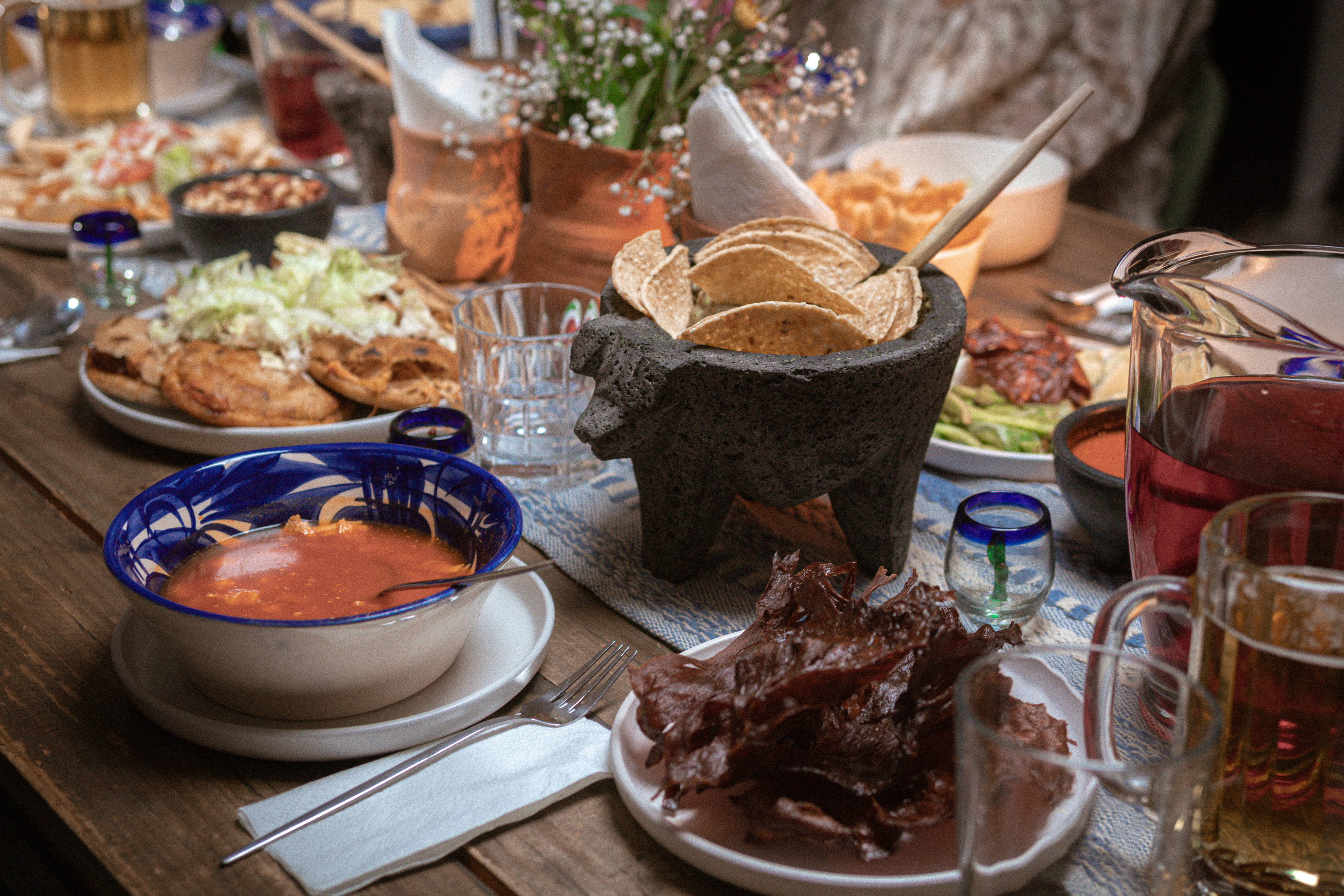
In a month crowded with symbols, representing Mexico responsibly means preserving context, limits, and the living truth behind what becomes visible.

By accessing and using PKGD´s website, you agree to the cookie policy outlined in our privacy notice.
By accessing and using PKGD´s website, you agree to the cookie policy outlined in our privacy notice.
































Leave a reply
Lorem ipsum dolor sit amet, consectetur adipiscing elit. Suspendisse varius enim in eros elementum tristique. Duis cursus, mi quis viverra.
Lorem ipsum dolor sit amet, consectetur adipiscing elit. Suspendisse varius enim in eros elementum tristique. Duis cursus, mi quis viverra.