



The agave spirits category has experienced extraordinary growth over the past decade.
New brands entered the market at a remarkable pace. Global awareness expanded. Investment followed attention. Products that were once largely regional became part of a worldwide conversation.
Today, the category faces a different reality.
Growth has slowed. Competition has increased. Pressure has arrived.
Under pressure, businesses reveal what they value most.
With that in mind, we spent several months asking a group of producer-owned founders from across the agave spirits industry about growth, family responsibility, water, agave, production decisions, and the future.
Their businesses differed.
Some produce tequila. Others produce mezcal or raicilla.
Some represent family businesses stretching across multiple generations. Others are building the first generation of what they hope will become a lasting legacy.
We expected differences.
What surprised us was how often they arrived at the same place.
Again and again, producer-owned founders described their businesses through the language of responsibility.
Responsibility to families.
Responsibility to employees.
Responsibility to communities.
Responsibility to land and water.
Responsibility to future generations.
The more we listened, the more a question began to emerge.
Perhaps the most important thing about producer-owned founders is not who owns the company.
Perhaps it is how ownership changes the time horizon of decision-making.
In much of modern business culture, growth is treated as the objective.
Among the producer-owned founders we interviewed, growth was more often described as a responsibility.
When discussing production planning, Chava Rosales of Cascahuín explained that the most important challenge is not simply increasing production. It is planning growth that remains sustainable across the entire business.
When asked what responsible growth means, his answer was remarkably simple:
“Crecimiento que puedas controlar.”
The same principle appeared repeatedly.
Sergio Vivanco of Viva México described years of investment in production capacity and infrastructure. Yet when discussing future growth, his greatest concern was not whether the company could grow, but whether growth could eventually push the business away from what it is.
“Queremos ser artesanales.”
Fausto Romero of Taberna Tres Gallos expressed a similar concern. If demand were suddenly to double, his primary focus would not be volume.
It would be preserving quality.
As he explained:
“La ambición puede jugar en contra.”
None of these producers rejected growth.
What they rejected was growth that demanded sacrifice of the things they considered essential.
One of the most striking aspects of these conversations was how often producers framed their work in generational terms.
Not years.
Generations.
Chava Rosales described the responsibility of helping lead a business started by his grandfather, a company that has supported his family and community for decades. The challenge, he explained, is deciding where the business should go and ensuring that everyone involved remains aligned around that vision.
For Sergio Vivanco, the challenge is even more explicit.
“Tenemos el propósito de quitar la idea generalizada que las empresas familiares desaparecen a la tercera generación.”
His family represents five generations of agave growers and three generations of tequila producers.
Luis Ángel Villalobos described a similar responsibility. His family’s history in agave cultivation stretches back generations, and the standards established by those who came before him continue to shape decisions today.
Even among first-generation producers, the pattern remained.
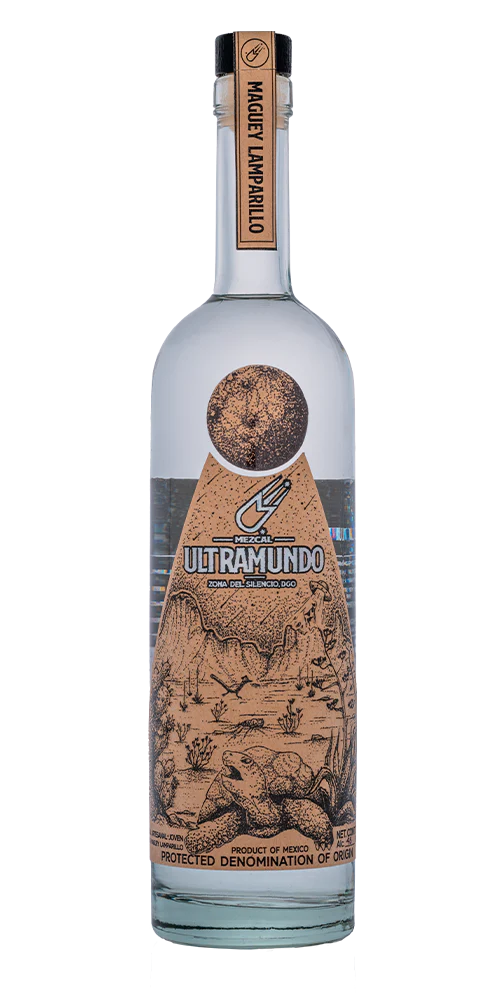
Sergio Garnier of Ultramundo explained that he is building his ranch, distillery, and brand with future generations in mind. The goal is not simply to succeed today. It is to create something worth inheriting tomorrow.
Across these interviews, family was rarely described as a benefit.
It was described as an obligation.
An obligation to leave behind something stronger than what was received.
The strongest theme to emerge from the interviews was the connection between generational thinking and stewardship of place.
When asked about environmental responsibility, the producers rarely spoke in the language of marketing, certification, or compliance.
Instead, they spoke about responsibility.
Sergio Vivanco described learning from life in the countryside itself.
Treat the land well, he explained, and the land responds.
At Viva México, production residues are composted and returned to the fields. Crop rotation is used to help maintain soil health and long-term productivity.
At Cascahuín, Chava Rosales described investments aimed at reducing water consumption, capturing rainwater, and supporting agricultural practices that avoid exhausting the soil.
Fausto Romero explained that no production waste from Taberna Tres Gallos is discharged into waterways. Water is reused wherever possible, while regenerative agricultural practices help preserve both land and agave genetics.
Sergio Garnier described one of the most ambitious stewardship programs among the producers interviewed. Water is recirculated. Irrigation is powered by solar energy. Agave and sotol are actively replanted and reforested.
His long-term goal is to plant ten agaves for every one harvested.
For Garnier, environmental stewardship and product quality are inseparable.
“Alterar el ecosistema es alterar también las características organolépticas y calidad de nuestro producto.”
The same philosophy appears in the work of Felipe Camarena at El Pandillo.
In the documentary Felipe’s Way, Camarena describes one of his guiding objectives in simple terms: preventing a single drop of water from leaving his ranch polluted.
The statement is notable not because it is ambitious, but because it reflects the same worldview found throughout these interviews.
The land is not an external resource.
The water is not someone else’s problem.
Stewardship is not a separate initiative.
It is part of the job.
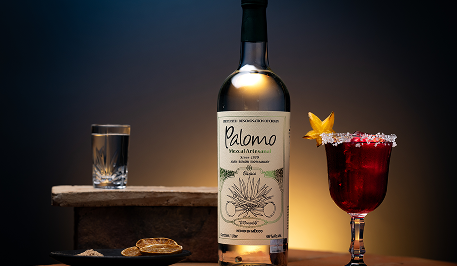
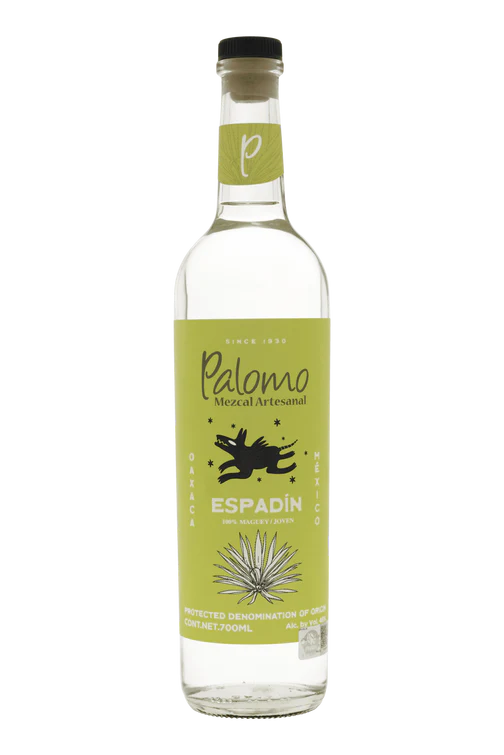
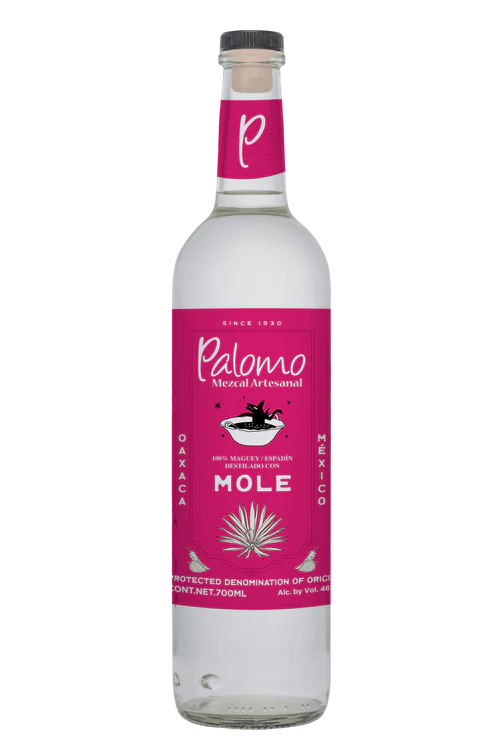
Carlos Méndez Blas of Palomo expressed the same principle from another angle. Growth, he explained, cannot be evaluated solely through economics. It must also account for natural resources and the responsibility to give something back to the land.
Across the interviews, stewardship rarely stopped at the edge of the distillery. Producers repeatedly described responsibility to employees, suppliers, neighboring families, and the communities that have grown alongside their businesses.
Different regions.
Different categories.
Different methods.
The same underlying principle.
The phrase “producer-owned” is often used to describe ownership structure.
But ownership structure alone does not explain what we found in these interviews.
What emerged repeatedly was a worldview shaped by proximity to consequences.
The people making decisions are often the same people whose families farm the land.
The same people whose employees live in the community.
The same people whose names remain attached to the product long after a quarterly report is forgotten.
Producer-owned is a structural description.
Stewardship appears to be the behavioral outcome.
That distinction matters.
Because the way a business behaves under pressure is often determined long before the pressure arrives.
Ownership influences authority.
Authority influences decisions.
Decisions reveal time horizons.
Every growing brand eventually faces pressure.
Pressure to move faster.
Pressure to increase output.
Pressure to simplify.
Pressure to compromise.
What stood out in these interviews was not the desire to grow.
It was the discipline to say no.
When discussing growth, Chava Rosales made his position clear:
“La cocina es el alma de nuestra marca.”
The distillery is the soul of our brand.
Some things are not negotiable.
Fausto Romero argued that producers must retain the final word because it is their quality, reputation, and legacy that are ultimately at stake.
Sergio Garnier answered the question even more directly.
Who has the final say when commercial pressure demands faster growth?
“Yo.”
Me.
The answer was not emotional.
It was structural.
The people closest to the consequences believe they should remain closest to the decisions.
By the end of these conversations, one conclusion became difficult to ignore.
These producer-owned founders are not simply protecting brands.
They are protecting continuity.
Continuity of families.
Continuity of communities.
Continuity of land and water.
Continuity of knowledge.
Continuity of reputation.
Continuity of opportunity.
When asked about growth, they spoke about stewardship.
When asked about production, they spoke about responsibility.
When asked about the future, they spoke about generations.
Perhaps that is why producer-owned matters.
Not because ownership itself guarantees anything.
But because ownership influences incentives, authority, accountability, and time horizons.
The producer-owned founders we spoke with rarely described success in terms of speed, scale, or valuation.
Instead, they described success in terms of responsibility.
Responsibility to the people who came before them.
Responsibility to the communities around them.
Responsibility to the generations that will follow.
In a category increasingly shaped by pressure, that may be the most important difference of all.
These conversations helped shape our thinking around stewardship, authority, and long-term value creation within agave spirits. They also contributed to the development of the PKGD White Paper, which explores a related question: what structures help protect stewardship when brands face growth, pressure, and change?
This article was structured with the assistance of artificial intelligence (ChatGPT). All content is based on human input and editorial oversight. For more details on how PKGD integrates AI responsibly, please refer to our AI Policy.
At PKGD, we continue investing in brand-led storytelling, creating work designed not only to perform, but to build long-term brand equity.
This article was structured with the assistance of artificial intelligence (ChatGPT). All content is based on human input and editorial oversight. For more details on how PKGD integrates AI responsibly, please refer to our AI Policy.


Four producers reveal what cannot be sacrificed if a spirit is to remain fully itself.
The way we learn to drink tequila can shape what we notice in the glass, and what habit trains us to ignore.
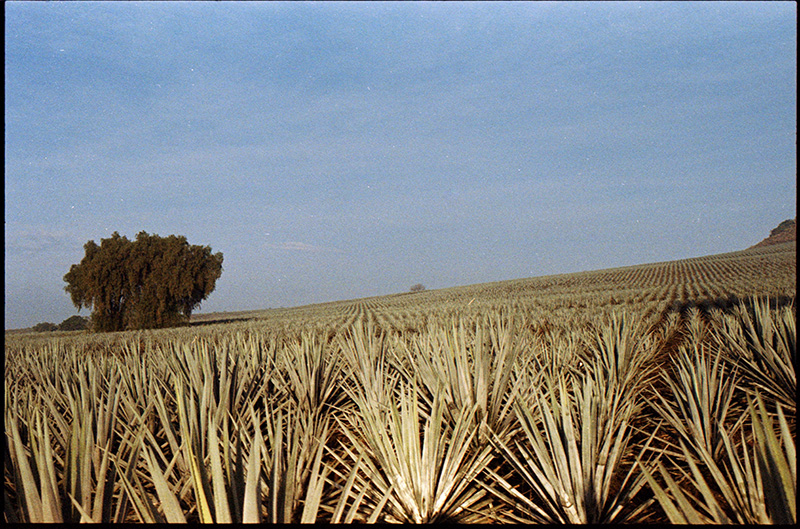
Cheap agave does not erase cost; it delays it, until neglected fields turn a price collapse into an agricultural risk.
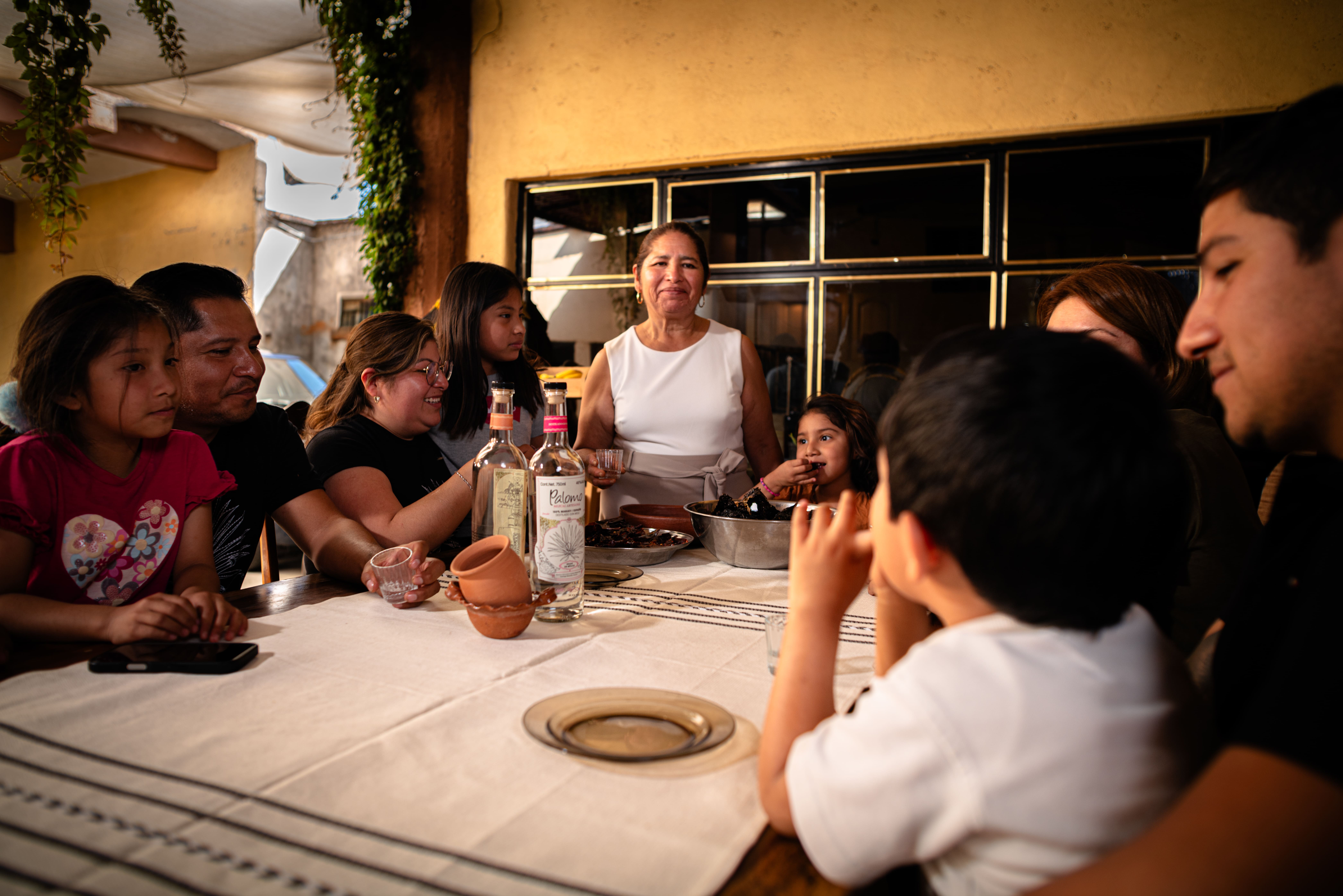
Buying the symbol is celebration; real support begins when the bottle stays connected to its maker.
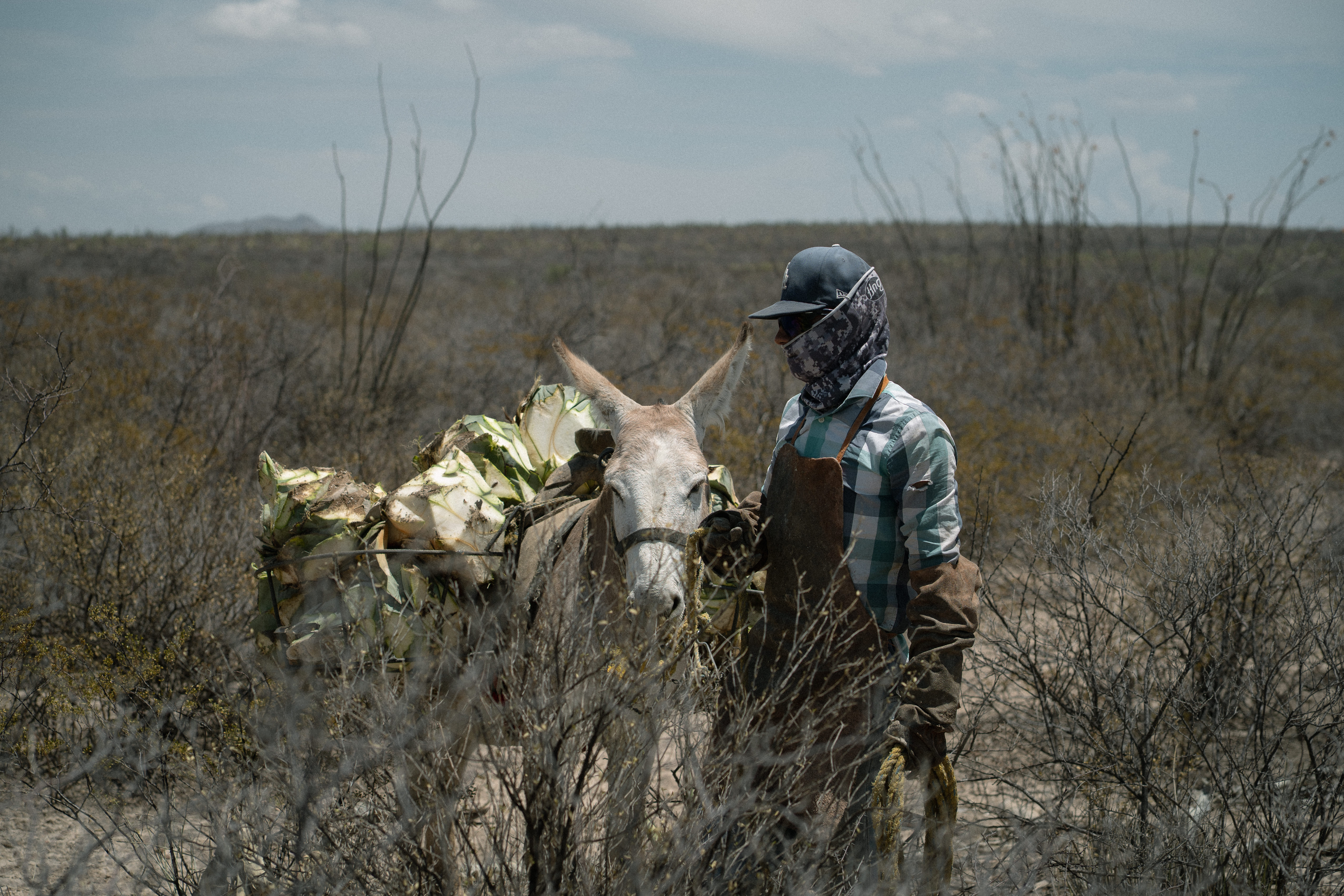
Agave spirits carry more than flavor: they hold memory, land, and forms of resistance against erasure.
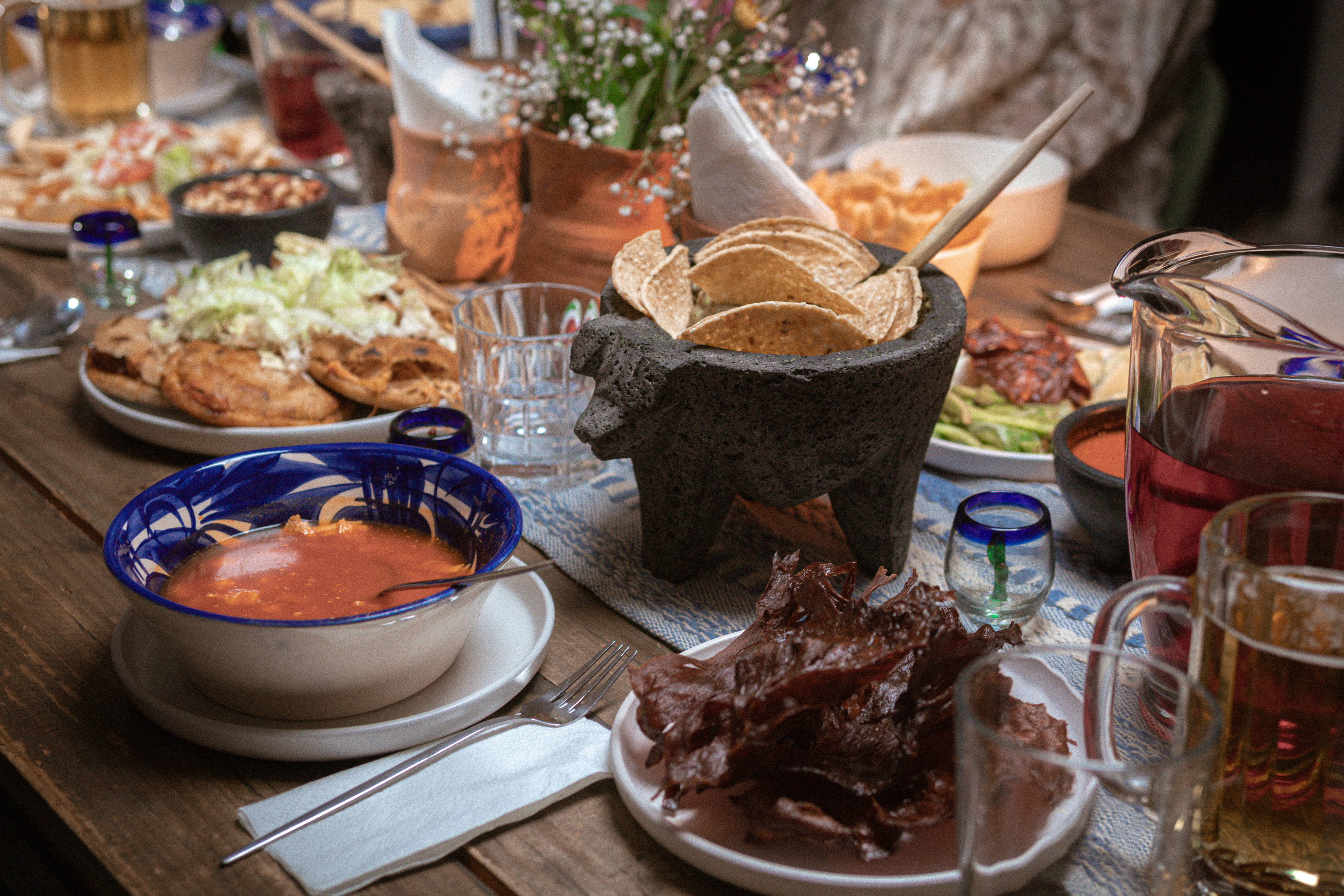
In a month crowded with symbols, representing Mexico responsibly means preserving context, limits, and the living truth behind what becomes visible.

By accessing and using PKGD´s website, you agree to the cookie policy outlined in our privacy notice.
By accessing and using PKGD´s website, you agree to the cookie policy outlined in our privacy notice.
























Leave a reply
Lorem ipsum dolor sit amet, consectetur adipiscing elit. Suspendisse varius enim in eros elementum tristique. Duis cursus, mi quis viverra.
Lorem ipsum dolor sit amet, consectetur adipiscing elit. Suspendisse varius enim in eros elementum tristique. Duis cursus, mi quis viverra.