



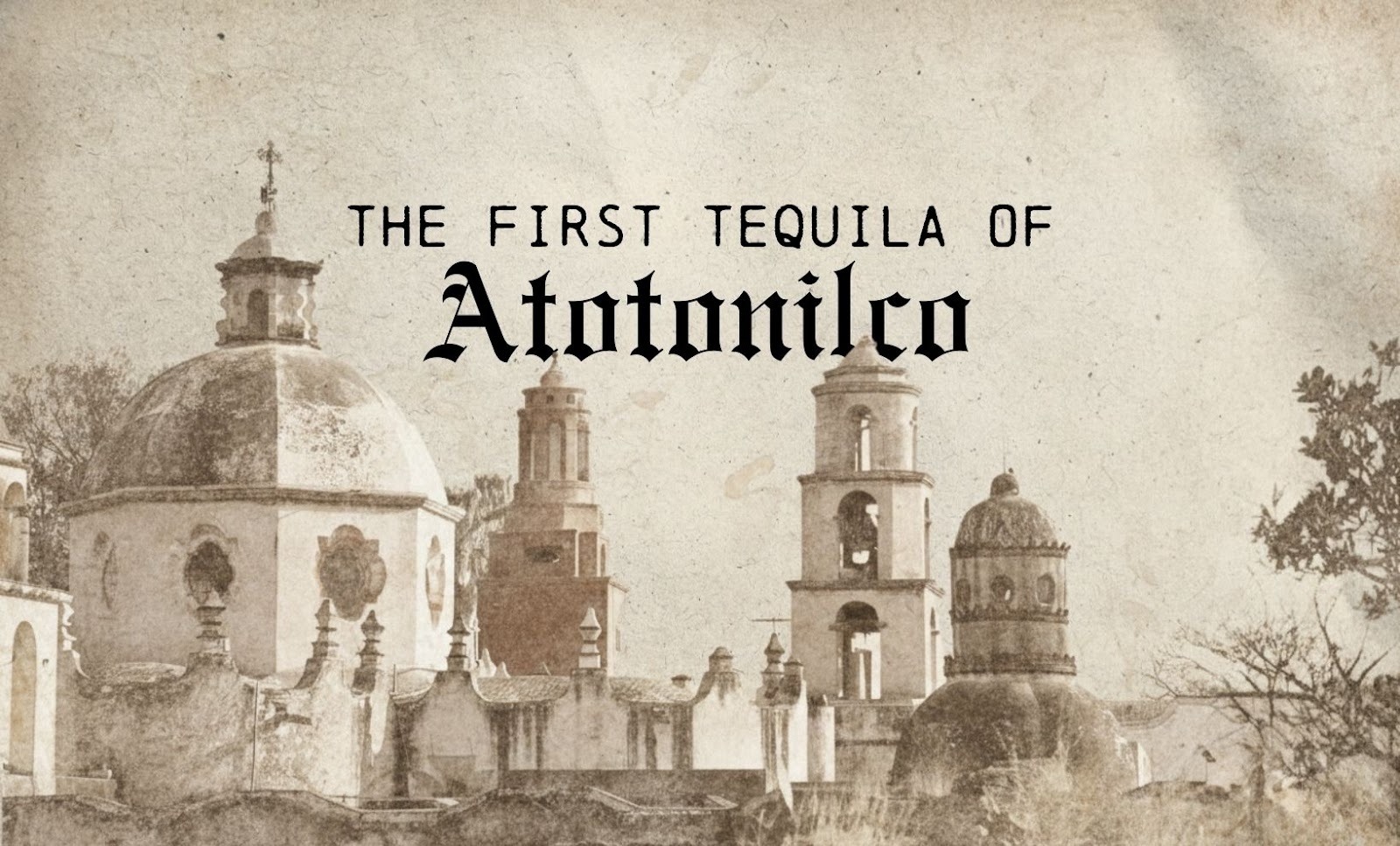
here are places that become a denomination.
And there are brands that become an origin.
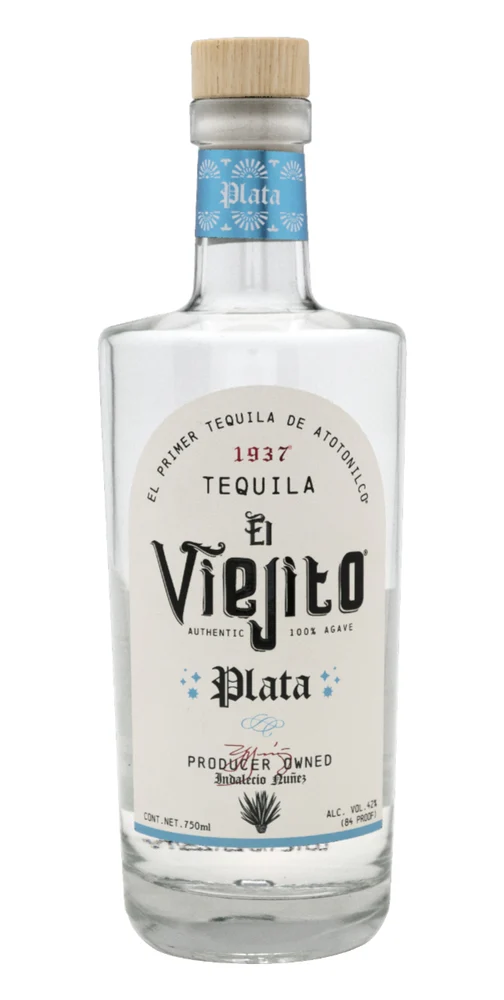
In the heart of the Highlands of Jalisco, in Atotonilco El Alto, a distillery was founded that would change the history of the municipality: Tequila El Viejito, recognized as the first tequila produced in the region.
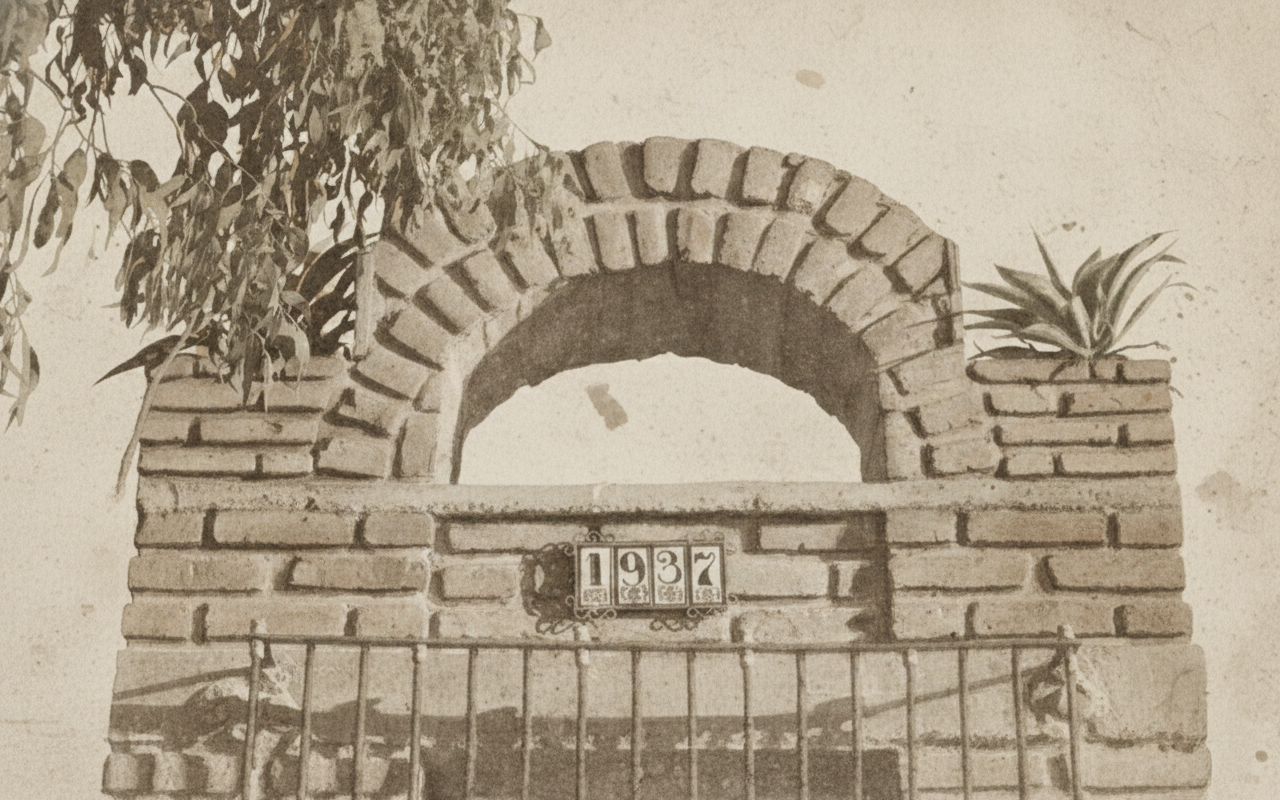
Founded in 1937 by Don Indalecio Núñez Muro, El Viejito was not only an early brand. It was a pioneering distillery. At a time when the industry was still concentrated in other municipalities, Atotonilco began to define itself as tequila territory thanks to this operation.
Before the name of the municipality resonated internationally, there was already a distillery working agave in traditional masonry ovens, with careful fermentations and distillation in copper pot stills under the direct supervision of the master distiller.
That was El Viejito.
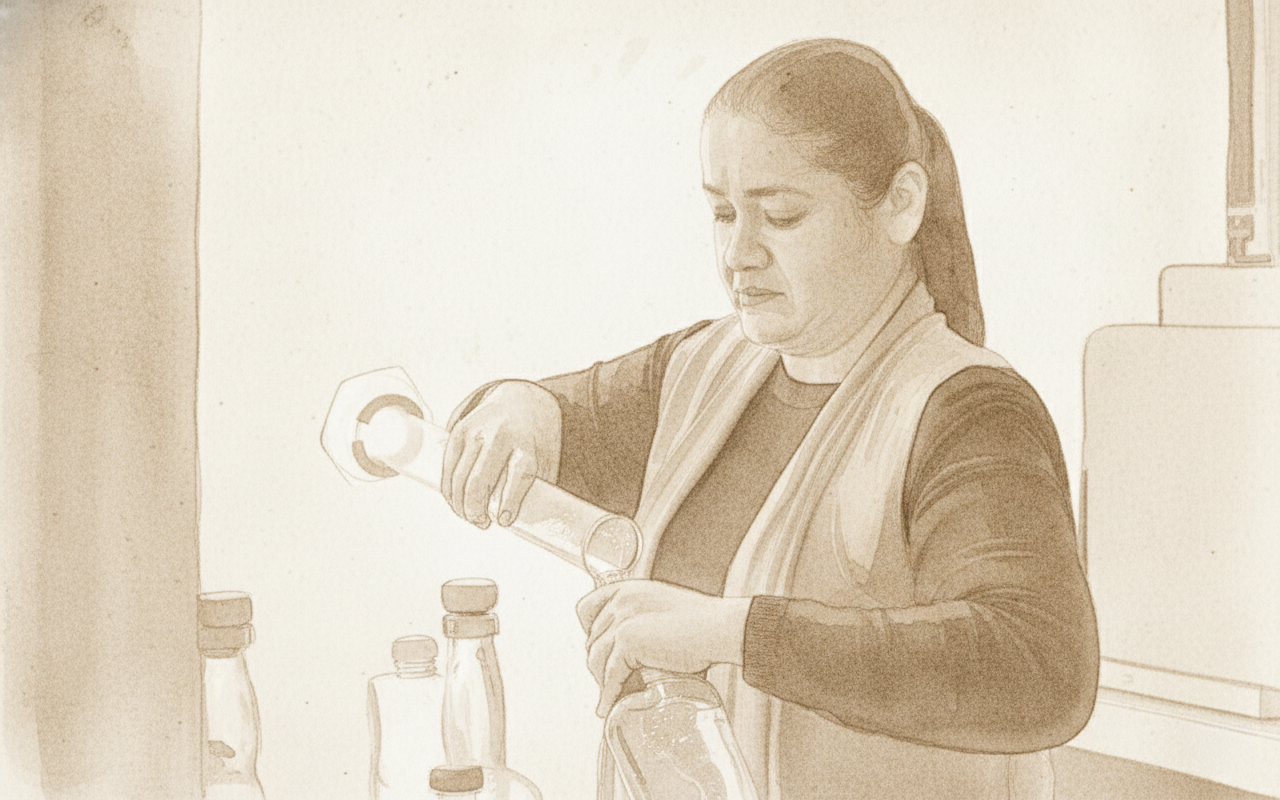
For decades, the distillery operated under a rigorous technical structure: traditional ovens, controlled fermentations, and distillation in pot stills under direct supervision.
But its impact extended beyond the product.
El Viejito functioned as a practical training ground for engineers and distillers who would later participate in larger-scale projects within the category. The facility became a space where profiles, cuts, and thermal control were developed at a time when many processes were still entirely manual.
It was not only production. It was technical training.
The focus was always the same: understand the tequila profile before accelerating volume.
Even in practices such as color adjustment for reposado and añejo expressions, the house maintained a clear line: prefer natural integration with aged tequila rather than resort to coloring additives. A decision that speaks more to philosophy than regulation.
That human capital is part of the brand’s invisible legacy.
One of the most significant chapters in El Viejito’s history was its relationship with Tequila Patrón.
During the years in which Patrón was consolidating its project, it sought operational experience, technical knowledge, and profile development. Part of that process passed through El Viejito, including collaboration, talent exchange, and joint work in distillation processes.
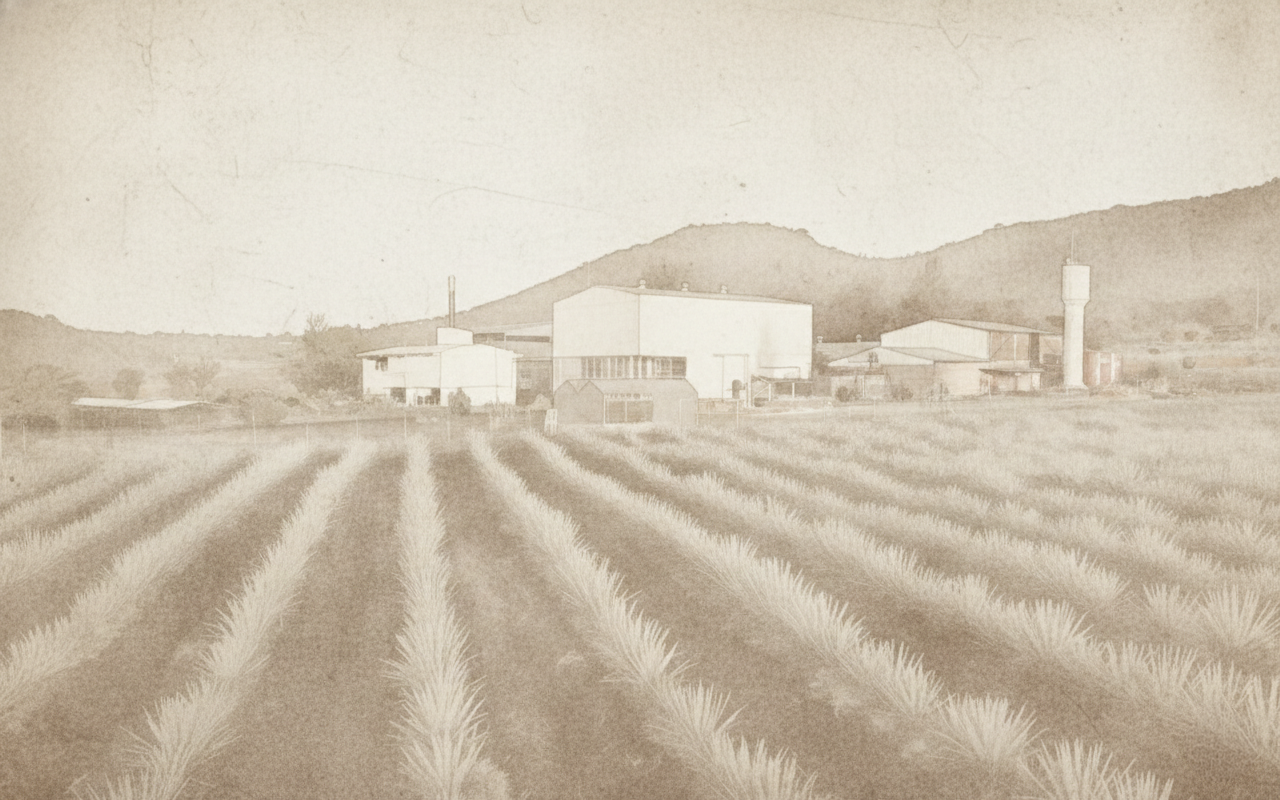
Eventually, El Viejito’s original plant in Atotonilco was acquired by Patrón and today operates as one of its historic facilities. The key point is not the transaction. It is the implicit recognition.
Among many available distilleries, that one was chosen.
This places El Viejito historically as a formative actor within the category.
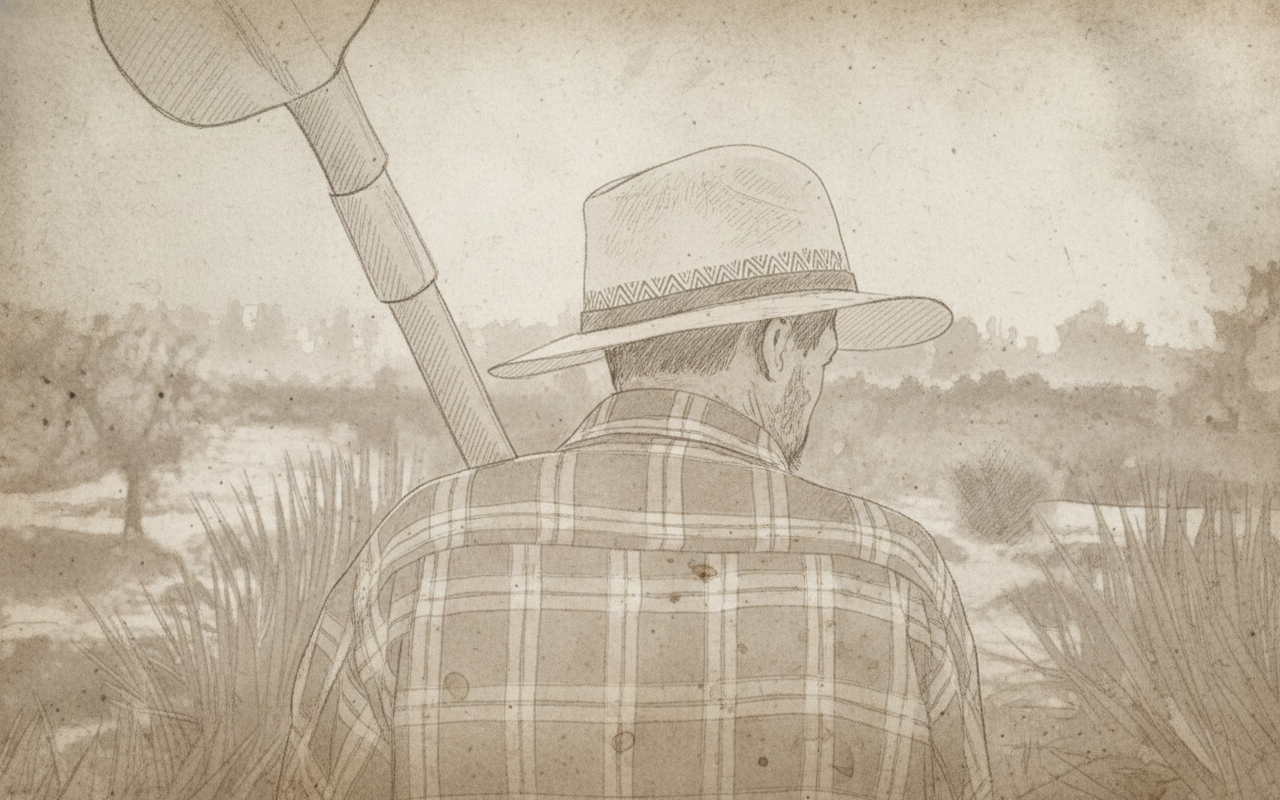
After the plant transition, the family continued production in new facilities, modernizing equipment without abandoning the artisanal foundation that defined its identity.
Ovens were improved in structure and efficiency.
Cooling systems allowed for more precise temperature control during distillation.
Vinasse treatment evolved into neutralization and composting processes, integrating environmental management into the production cycle.
The profile, however, remained consistent.
In an environment where many brands have reconfigured their identity to adapt to the market, El Viejito has evolved through infrastructure, not narrative.
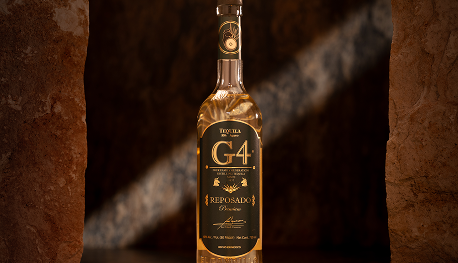
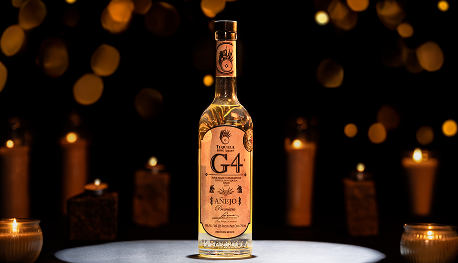
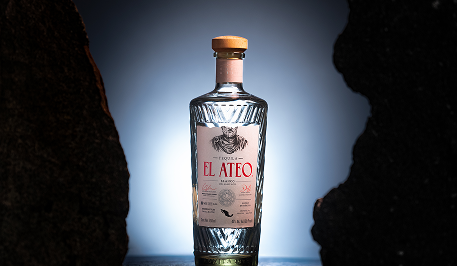
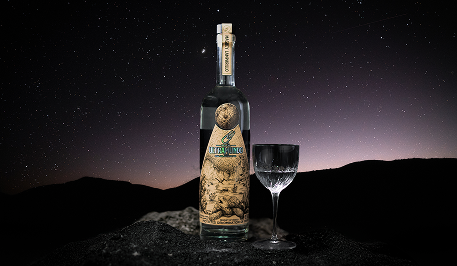
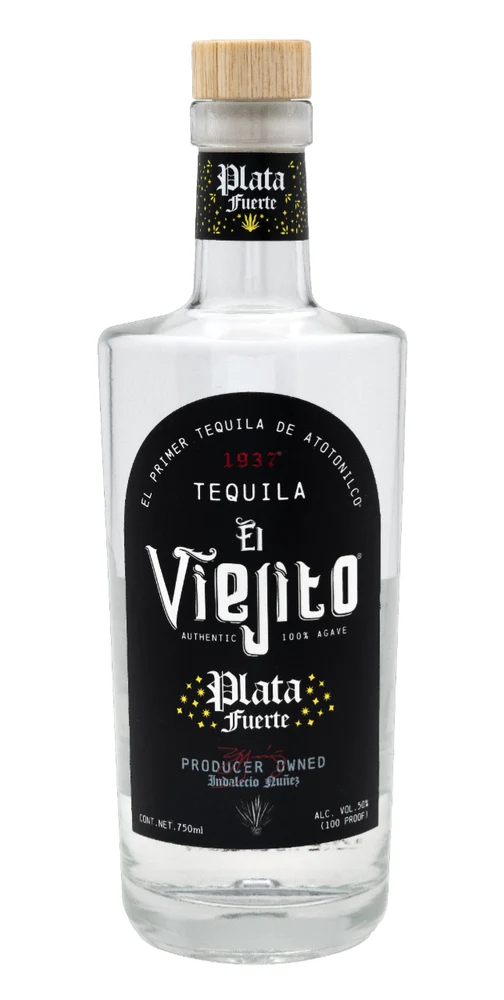
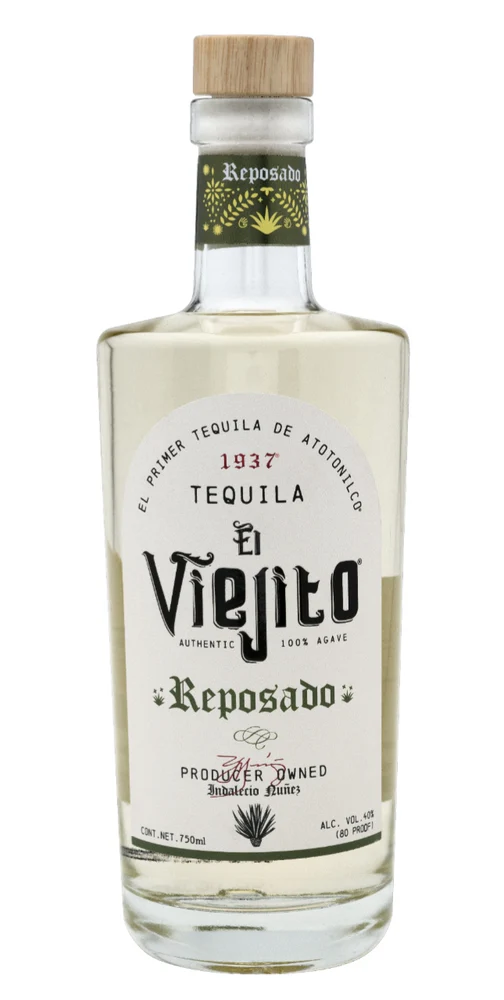
In this edition, we present the new visual stage of the brand.
But before redesign comes precedence.
To speak about branding without speaking about history would be incomplete.
El Viejito is not attempting to insert itself into the contemporary tequila conversation. It was already there. Since 1937.
Being the first tequila of Atotonilco is not a slogan.
It is a historical position within the productive map of the Highlands.
This article was structured with the assistance of artificial intelligence (ChatGPT). All content is based on human input and editorial oversight. For more details on how PKGD integrates AI responsibly, please refer to our AI Policy.
This article was structured with the assistance of artificial intelligence (ChatGPT). All content is based on human input and editorial oversight. For more details on how PKGD integrates AI responsibly, please refer to our AI Policy.
At PKGD, we continue investing in brand-led storytelling, creating work designed not only to perform, but to build long-term brand equity.

By accessing and using PKGD´s website, you agree to the cookie policy outlined in our privacy notice.
By accessing and using PKGD´s website, you agree to the cookie policy outlined in our privacy notice.























Leave a reply
Lorem ipsum dolor sit amet, consectetur adipiscing elit. Suspendisse varius enim in eros elementum tristique. Duis cursus, mi quis viverra.
Lorem ipsum dolor sit amet, consectetur adipiscing elit. Suspendisse varius enim in eros elementum tristique. Duis cursus, mi quis viverra.