



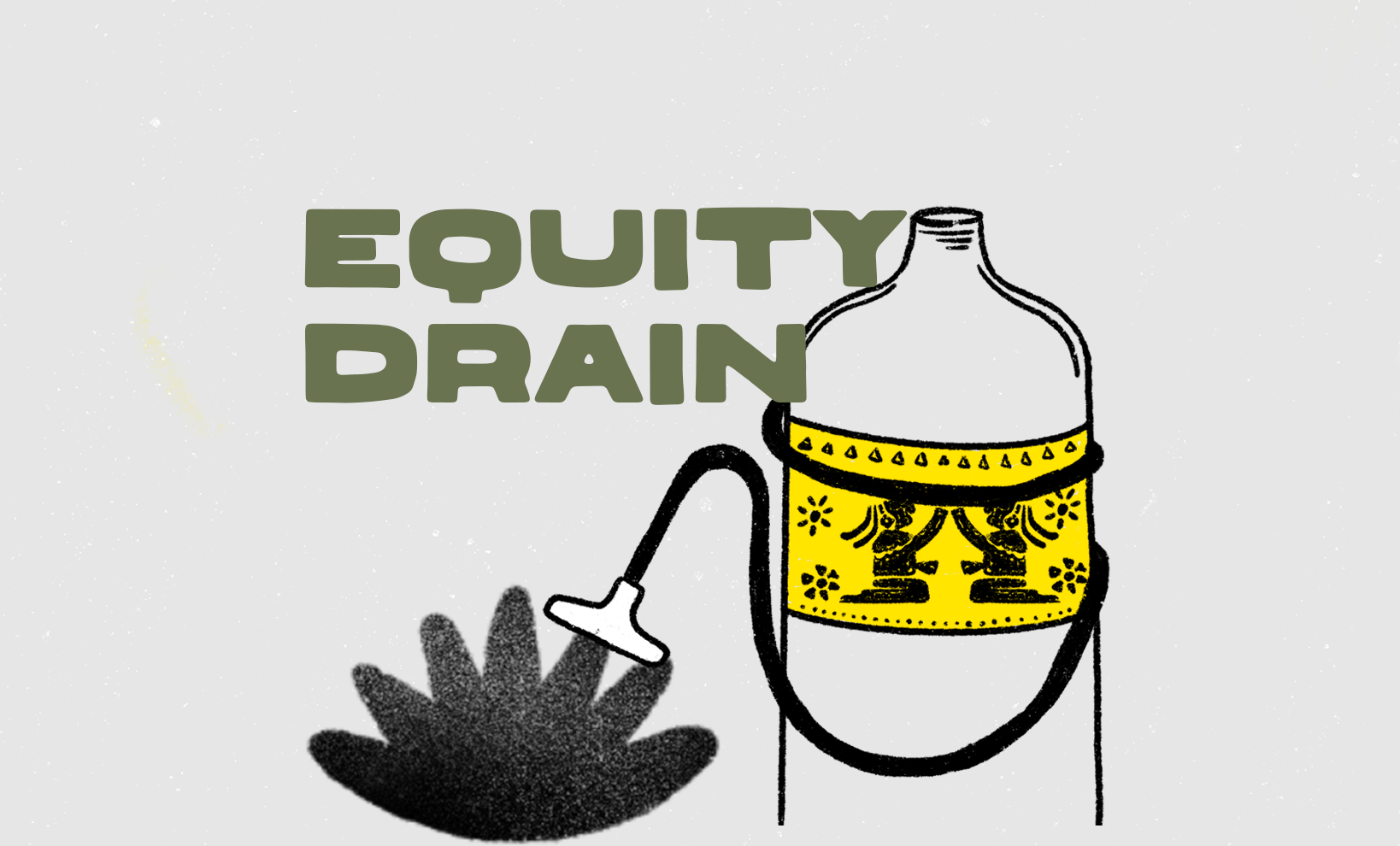
For years, the conversation around "cultural appropriation" in tequila and mezcal has been trapped on the surface. Critics and academics denounce the cardboard culture: that tendency of global brands to package origin into a digestible stage set of stylized patterns, mythologized landscapes, and the romanticization of the jimador. We are told the sin is cosmetic—that the problem is using symbols without permission.
That focus is a distraction. By monitoring only aesthetics, the market has developed a blind spot toward a far more sophisticated model of structural dispossession: the extraction of future value—the systematic theft of brand equity.
The global industry has coined the term "appropriation vs. appreciation" to justify its expansion. Today, lifestyle brands no longer present themselves as cold corporations; they present themselves as allies of the producer, flaunting the name of the estate distillery or the maestro mezcalero’s signature on the back label as if it were a fair-trade seal. The consumer buys the product convinced that their money is empowering the community guarding the liquid.
It is a perception trap. The global market, by nature, does not seek to preserve culture; it seeks to simplify it to standardize volume. What is sold as "appreciation" is almost always the waiting room for the domestication of the product: the narrative is atomized to make it digestible, and pressure is placed on the origin to homogenize the liquid.
When an external brand utilizes the infrastructure, the liquid, and the prestige of a producing family to validate its discourse, it is not collaborating; it is renting an identity. The immediate financial flow from contract manufacturing (maquila) might sustain day-to-day operations, but long-term patrimonial value—the asset that accumulates and is inherited—is transferred entirely to the trendy lifestyle label.
The asymmetry is absolute. The scarcest resource in the agave world is not oven capacity or agave fields; it is the producer’s attention. Flooded by the operational demands and volume requirements of loud external partners, producers divert strategic focus away from their own house brands—the only ones they actually own—to become the invisible set designers for someone else’s success.
When the tide of novelty recedes and the market hunts for the next trendy spirit, volatile brands will vanish with the accumulated equity. On the distillery floor, only a producer with fragmented attention, a compromised liquid, and an oversized infrastructure for a volume that no longer exists will remain. True appropriation is not copying a design; it is using the producer’s reality as fuel for a narrative that will ultimately leave them empty.
When facing a model designed for raw extraction, the solution is not to regulate labels or beg for cultural permission. The response must be structural, rooted in two non-negotiable criteria:
The future of the category will not be decided in label design agencies, but in a fundamental question that every conscious consumer must answer: What are you buying—a brand that uses culture as a backdrop, or the intact heritage of the person who makes it real?
This article was structured with the assistance of artificial intelligence (ChatGPT). All content is based on human input and editorial oversight. For more details on how PKGD integrates AI responsibly, please refer to our AI Policy.
This article was structured with the assistance of artificial intelligence (ChatGPT). All content is based on human input and editorial oversight. For more details on how PKGD integrates AI responsibly, please refer to our AI Policy.
At PKGD, we continue investing in brand-led storytelling, creating work designed not only to perform, but to build long-term brand equity.

By accessing and using PKGD´s website, you agree to the cookie policy outlined in our privacy notice.
By accessing and using PKGD´s website, you agree to the cookie policy outlined in our privacy notice.






















Leave a reply
Lorem ipsum dolor sit amet, consectetur adipiscing elit. Suspendisse varius enim in eros elementum tristique. Duis cursus, mi quis viverra.
Lorem ipsum dolor sit amet, consectetur adipiscing elit. Suspendisse varius enim in eros elementum tristique. Duis cursus, mi quis viverra.