



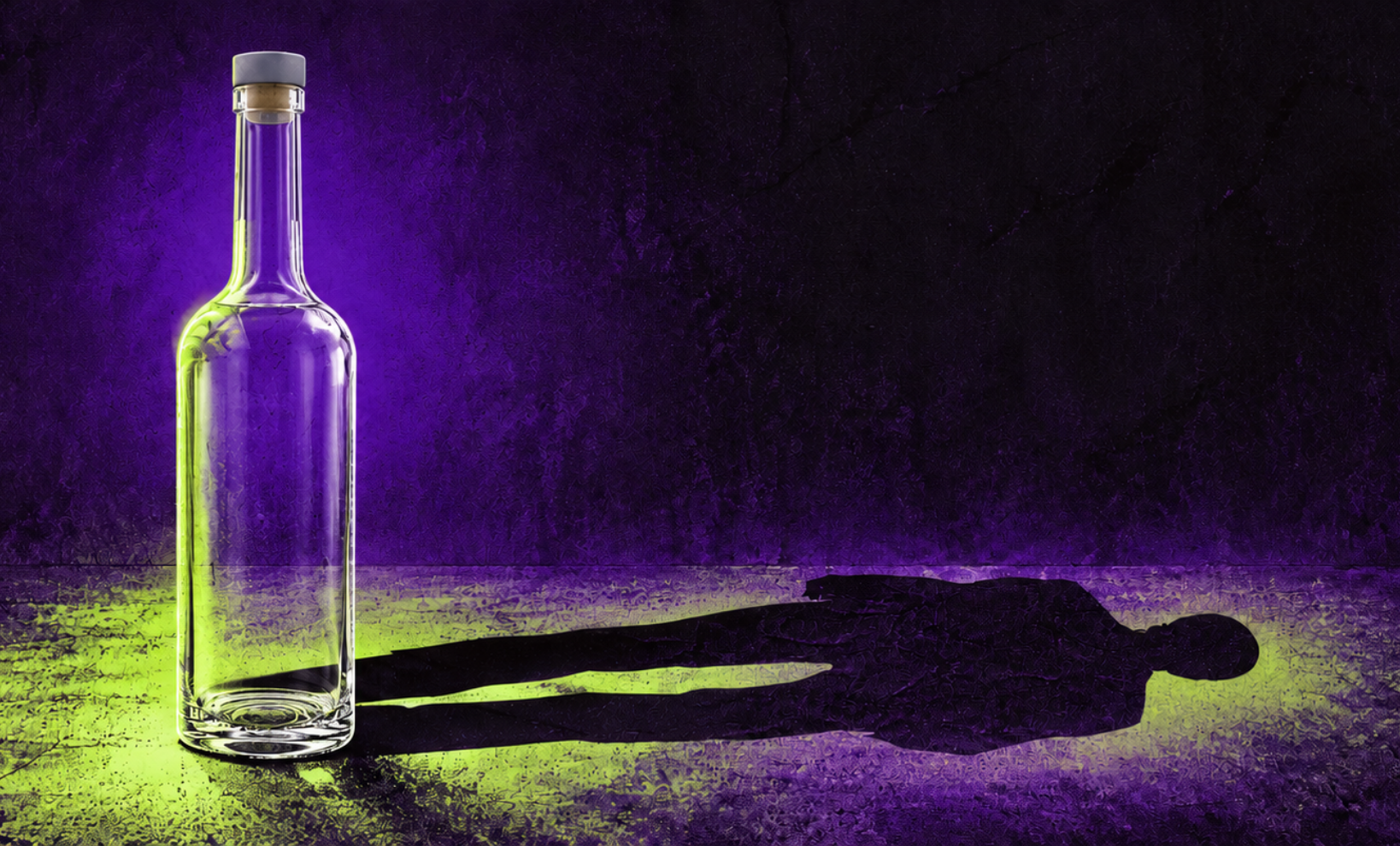
For years, the rise of celebrity tequila has been framed as a story of visibility: more attention for the category, more prestige, more global reach. But that reading leaves a more uncomfortable question untouched.
Not whether there is a producer behind the bottle, but how necessary it still seems to see them.
Celebrity tequila does not always erase the producer. Sometimes it does something more effective: it makes the consumer feel less need to look for them.
Production is still there. So are origin, the distillery, technical decisions, and the real hands behind the liquid. What changes is the hierarchy of attention.
Celebrity reorganizes the narrative so that productive authorship no longer sits at the center of how the bottle is read. The product still has a who behind it.
What weakens is the impulse to ask.
One way to understand this is through what is often called the vampire effect: the famous face captures so much attention that everything around it loses force in memory.
In advertising, this usually describes an imbalance between the celebrity and the product being sold. The public remembers the face, but not always with the same clarity what stood behind it.
In tequila, the effect can be sharper. Because it is not only a face and a brand competing for attention. It is a public figure and a chain of productive authorship that was already less visible to begin with.
This does not mean the story is false. The bottle still has origin, process, and real people responsible for it. But the story the consumer learns to read begins somewhere else.
Attention does not need to falsify the facts in order to displace them. It only needs to reorganize the scene so that productive authorship no longer feels central.
This can be seen clearly in certain recognizable models. Sometimes the brand is narrated through private friendship turned into aspirational access: the bottle appears first as intimacy, as a closed circle, as an extension of a desirable life.
Other times the brand is absorbed almost entirely by the public personality of its celebrity founder, until cultural memory orbits around the character more than the productive network that sustains the liquid.
In both cases, the result is similar. Production does not disappear from the material reality of the bottle, but it does lose centrality within public reading. Even when that story remains traceable, it no longer occupies the same place in memory as the visible face that organizes the narrative.
The point is not to claim that the producer is absent. It is to show how narrative can make the producer stop feeling necessary to the way the brand is understood.
That logic, however, did not go unanswered. In parallel, part of tequila culture began to rebuild the habit of asking again. The conversation around additives, NOM, provenance, and production methods did not only change buying habits.
It retrained the consumer’s eye.
Where some brands teach people to read the bottle through the visible face, the culture of transparency teaches them to read it again through traceability.
Here, NOM stops being a technical detail and becomes a cultural tool: a way of following the story that commercial narrative does not always place up front.
In that sense, the attentive consumer does not step outside the market. They answer it with a different discipline. Instead of accepting the bottle as a closed scene, they reopen it and ask about the infrastructure that made it possible.
That matters because it shows that the erasure of authorship is not irreversible. It can become a norm in marketing, but it can also be corrected by a culture that learns to look more carefully.
That is where the problem stops being merely perceptual and becomes cultural. When productive authorship no longer occupies the center of the narrative, what weakens is not only a proper name.
What weakens is the relationship between the bottle and the living structures that give it meaning: territory, craft, technical decision-making, memory, and responsibility.
This does not mean every celebrity brand operates in the same way, nor that every expansion of tequila into global culture necessarily weakens its relationship to origin. But it does make a deeper tension visible.
It is one thing for culture to accompany the product. It is another for culture to remain as scenery while the real producer becomes dispensable to the reading.
That is why the discussion does not end with whether a celebrity has the right to participate in the category.
The better question is what that participation makes visible, and what it makes dispensable.
If the bottle concentrates all of its legibility in a face, a scene, or a personality, the risk is not only that the consumer remembers incorrectly. It is that they learn to consume without asking the question that matters most:
Who actually made the liquid, and what relationship does it still bear to the process, the land, and the labor that sustain it?
This article was structured with the assistance of artificial intelligence (ChatGPT). All content is based on human input and editorial oversight. For more details on how PKGD integrates AI responsibly, please refer to our AI Policy.
At PKGD, we continue investing in brand-led storytelling, creating work designed not only to perform, but to build long-term brand equity.
This article was structured with the assistance of artificial intelligence (ChatGPT). All content is based on human input and editorial oversight. For more details on how PKGD integrates AI responsibly, please refer to our AI Policy.

Fermentation is not just a production stage. It is one of the clearest ways to understand how a spirit becomes itself.
A heavy bottle can make a spirit seem important before the liquid has shown why it matters.
Some tequilas seem built to produce a favorable reading before they truly show how they were made.
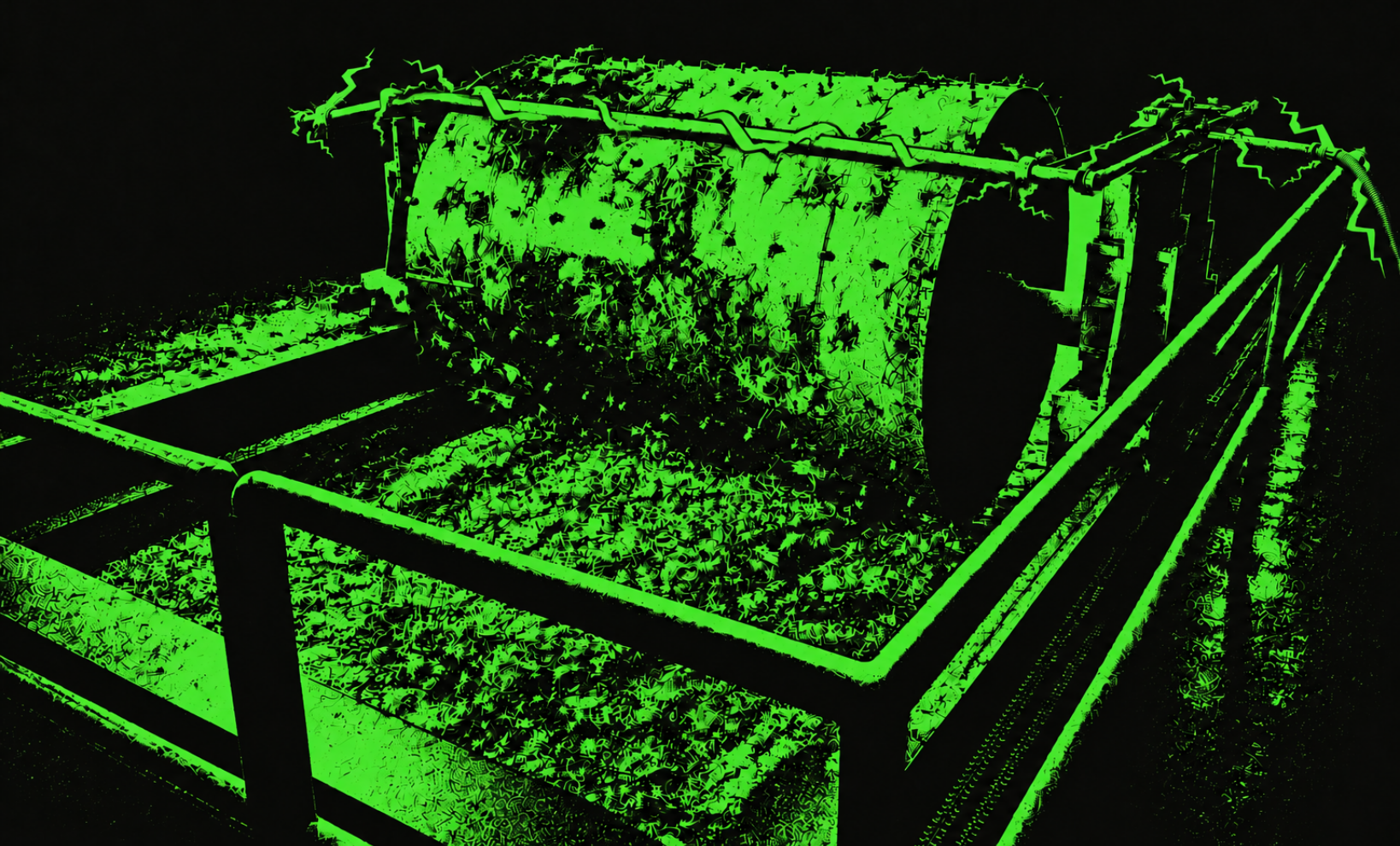
Felipestein looks improbable, but what it proves is simple: a living method is not protected by freezing it in place, but by adjusting it responsibly.
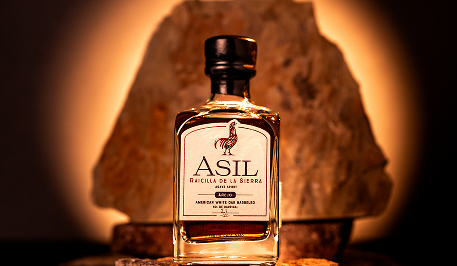
Raicilla is often explained by comparison before it is understood through identity.
Four producers reveal what cannot be sacrificed if a spirit is to remain fully itself.

By accessing and using PKGD´s website, you agree to the cookie policy outlined in our privacy notice.
By accessing and using PKGD´s website, you agree to the cookie policy outlined in our privacy notice.



















Leave a reply
Lorem ipsum dolor sit amet, consectetur adipiscing elit. Suspendisse varius enim in eros elementum tristique. Duis cursus, mi quis viverra.
Lorem ipsum dolor sit amet, consectetur adipiscing elit. Suspendisse varius enim in eros elementum tristique. Duis cursus, mi quis viverra.