



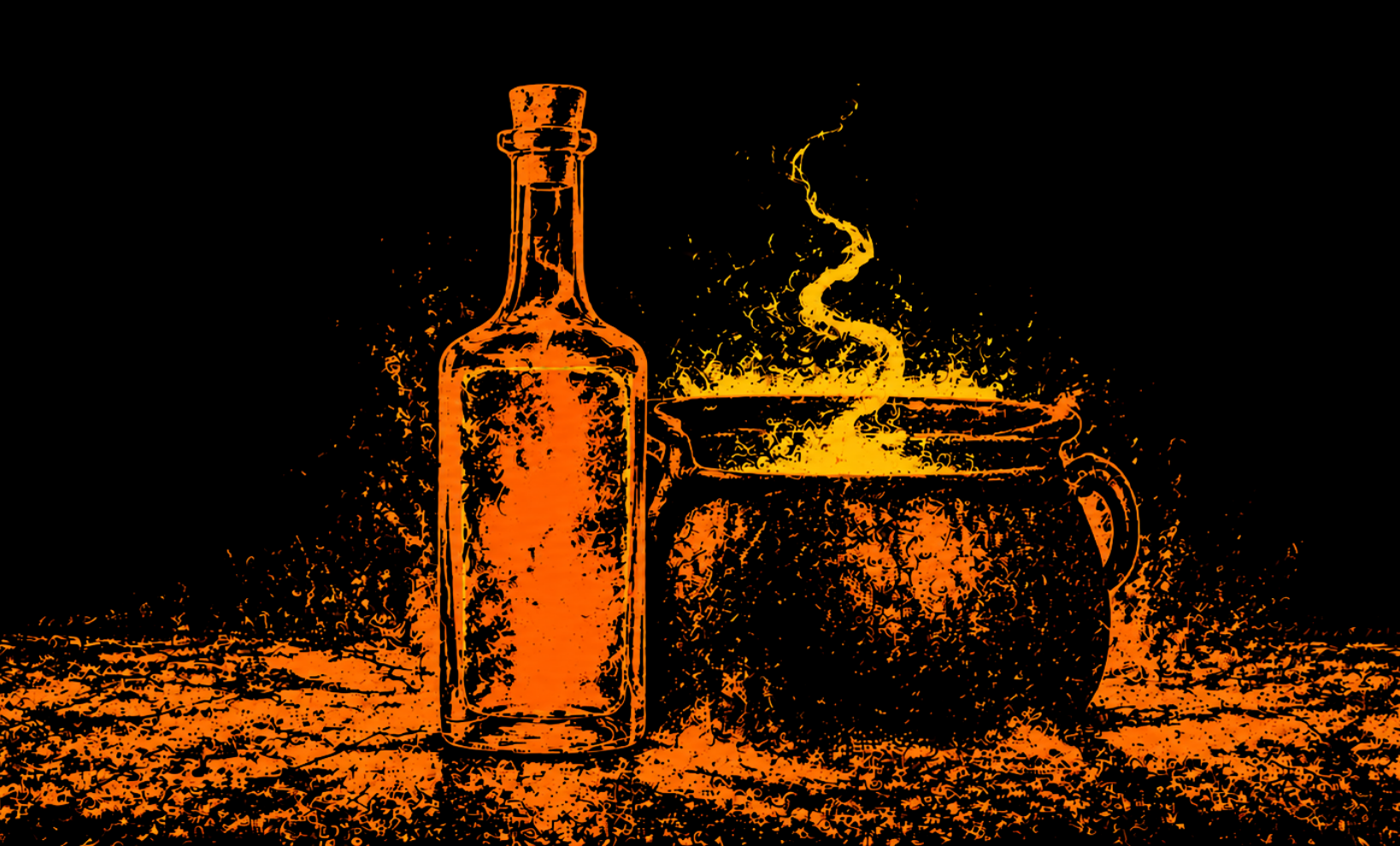
Sometimes, a tequila feels too resolved.
The sweetness arrives too early. The texture feels too soft. Vanilla takes over before the agave has fully shown itself. The profile is attractive, polished, and easy to enjoy. Nothing is exactly wrong, but something does not quite add up.
For many consumers, that creates no friction. The bottle tastes good, the finish is pleasant, and it confirms what the market has taught us to value: softness, sweetness, roundness.
But tequila should not always present itself that quickly. Some tequilas ask for more attention. They open in layers, change in the glass, and make the agave, the process, and the producer’s judgment more visible.
That is where the conversation about additives starts to matter. Not because every polished tequila is dishonest, or because pleasure itself should be distrusted. The problem is something else: some bottles seem built to produce a favorable reading before they truly show how they were made.
That is the starting point of the additive illusion.
Calling it an additive problem is true, but insufficient.
The more interesting problem is perceptual. Additives can alter not only the liquid itself, but also the way that liquid is interpreted. A tequila can feel older, softer, sweeter, or more luxurious in texture than its process actually accounts for. When that happens without a clear explanation, the consumer is left vulnerable to drawing the wrong conclusions from real sensations.
That is where the illusion stops being a technical detail.
It becomes a way of training taste.
Repeated often enough, these profiles begin teaching the consumer that tequila should be sweet before vivid, soft before expressive, and fully polished before it shows structure.
The result is not only confusion in front of one bottle. It is a gradual loss of fluency in recognizing what tequila tastes like when its profile has been less corrected.
And that loss matters because tequila should not communicate pleasure alone. At its best, it communicates origin, method, material, and human judgment. When those signals are softened or overwritten, the consumer may still enjoy what is in front of them.
But enjoying and understanding are not the same thing.
Part of the question is no longer sensory, but structural: how is this possible in the first place?
Part of the answer lies in how tequila is regulated. Under NOM-006, producers are allowed to use a limited percentage of additives without declaring them on the label. That margin can include materials used to adjust sweetness, texture, color, or wood expression. Legally, the bottle can still qualify as tequila. In practical terms, the consumer may have far less visibility into how its final profile was achieved.
And that gap matters.
The label still speaks with an appearance of completeness. It tells the consumer the category, the alcohol content, the origin, and in some cases the aging classification. What it does not necessarily say is whether part of the profile being read as maturity, softness, richness, or roundness was technically reinforced after distillation.
That creates a strange condition in the market: authenticity may be regulated while legibility remains incomplete.
A bottle can fully comply with the standard and still leave out crucial sensory context. The problem is not that regulation has failed to define tequila as a legal product. The problem is that legality and transparency are not the same achievement. A spirit can meet the standard for what it is while still obscuring how its final impression was built.
That is why the discussion around additives is now bigger than a list of ingredients. It touches a more uncomfortable question: when a category allows a product to be sensorially modified without saying so clearly, how much of consumer trust comes from what the bottle truly reveals, and how much from the impression it constructs?
If regulation explains why the illusion can exist, the glass explains how it operates.
Most consumers do not first encounter additives as a concept. They encounter them as a sensation. A tequila may seem unusually soft, sweet, dark, or polished from the first sip. The profile arrives quickly and coherently. It does not ask too much of the drinker. It offers immediate legibility, but not always truthful legibility.
That is where sensory confusion begins.
A naturally expressive tequila usually unfolds in layers. Cooked agave may appear before sweetness. Pepper, citrus, earth, herbs, mineral structure, or the character of fermentation may emerge unevenly and sharpen with air and time in the glass. The texture may feel alive rather than designed. The finish may lengthen, tighten, or turn toward bitterness, salinity, or heat.
None of that guarantees greatness. But it often suggests that the distillate is carrying its process in a more open way.
An altered profile may behave differently. Sweetness may appear early and stay at the front. Vanilla may feel stronger than the agave beneath it. The texture may read as silky, oily, or cushioned in a way that suggests luxury before complexity. The color may suggest a maturity the profile does not fully confirm. The finish may feel short, flattened, or cosmetically complete rather than evolving.
The point is not that any one of these traits, on its own, proves intervention. Sensory language is not forensic evidence. But patterns do matter. When aroma, texture, sweetness, and finish seem aligned around immediate approval, the consumer may be responding less to a character that emerges from the process than to an impression that has been carefully constructed.
That is the practical danger of the additive illusion:
it does not always produce a bad tequila. It can produce an easy one.
And ease, repeated often enough, can start to look like proof of quality.
If the additive illusion teaches the consumer to reward constructed profiles, one of its deepest consequences is everything that begins to disappear from view.
Tequila does not come from agave alone. It comes from a series of decisions: where that agave was grown, how it was cooked, how it was fermented, what kind of extraction and distillation shaped it, and how much of that process remains legible in the final distillate. These are not romantic details added afterward. They are part of what the drinker is tasting, whether they know it or not.
That is why method matters.
A tequila can genuinely change according to place, cooking, or fermentation. Los Altos and El Valle do not always push a profile in the same direction. Slow cooking can deepen agave character, and a more open fermentation can generate a less standardized complexity. Faster or more controlled processes can also produce good results, but not always with the same range of expression.
None of these differences should be treated as mythology. They matter because they give tequila form, accent, and identity. They help explain why one bottle feels rooted and another interchangeable; why one unfolds with tension and specificity, while another seems designed to please immediately.
When overly corrected sensory profiles begin to dominate the conversation, those distinctions become harder to notice. The consumer may still find pleasure, but they find less information: less evidence of place, less evidence of method, and less evidence of the producer’s judgment reaching the glass intact.
And when those distinctions become harder to read, tequila loses something larger than nuance.
It loses part of its authorship.
If the method gives tequila its shape, transparency determines how much of that shape the consumer can actually understand.
This is where the conversation becomes especially uncomfortable. Not because tequila lacks regulation, but because regulation and transparency do not always operate with the same depth. A bottle can comply with the legal requirements of the category and still leave the consumer with only a partial view of how its final profile came to be built.
And that distinction matters more than it seems.
Most consumers do not expect a bottle to explain every detail of production. But they often assume, without noticing it, that what they are tasting corresponds in a reasonably direct way to the process they imagine. They assume that the sweetness, color, softness, or wood character came from fermentation, distillation, maturation, or raw material, not from a later adjustment that remains invisible.
When that assumption holds, trust deepens. When it does not, the problem is not only informational. It is interpretive. The consumer may still have data, but not the right hierarchy of data. They may know the category and declared age, yet still misread the sensory construction that determines their experience.
That is why independent verification efforts have gained so much attention. Not because they eliminate all uncertainty, but because they try to answer a question the label often does not fully resolve: am I tasting a profile that grows out of what the tequila is, or one that was adjusted to resemble it?
Transparency, in that sense, is not a slogan.
It is a condition of legibility.
It does not require every bottle to tell the whole story at once. It requires that what the experience suggests does not go beyond what the product can actually sustain as truth.
And when that gap widens, the consumer remains inside a market where trust can be manufactured faster than understanding.
At this point, the easiest move would be to turn the argument into a simple moral division: traditional means true, industrial means false; artisanal means character, modern means compromise.
But that reading is too easy and, worse, explains less than it claims to explain.
Tequila does not become more meaningful simply because a process is older, smaller, slower, or harder. Difficulty is not proof. Tradition is not immunity. A producer may inherit real knowledge and still make an unremarkable tequila. A modern facility may operate with control, cleanliness, and precision without erasing what matters.
The problem is not whether a method looks virtuous from a distance. The problem is whether the final distillate remains answerable to the material reality that produced it.
That is the standard worth defending.
What matters is not the epic of the process, but its legibility. Can the consumer find traces of agave, place, process, and judgment in the glass? Can they understand that profile as the expression of decisions that actually happened, rather than read it as a sensory shortcut designed to simulate depth, age, or refinement? Can the bottle withstand honest examination without asking the consumer to confuse impression with evidence?
These questions make the discussion around additives more useful because they move it from the terrain of performance to the terrain of discernment. The goal is not to reward austerity for its own sake, nor to punish any producer who uses technology. The goal is to preserve a category in which difference still means something, in which quality can still be read with some fidelity, and in which producers are not pushed to flatten character simply to meet a distorted expectation of how tequila “should” taste.
In that sense, the real danger is not modernization.
It is standardization disguised as excellence.
If the problem is not always visible on the label, and cannot always be proven from a single sip, the most useful response is not paranoia.
It is closer attention.
Reading a tequila well does not mean becoming suspicious of every pleasurable bottle. It means pausing long enough to ask what, exactly, that pleasure seems to be made of. Does the profile feel immediately sweet, soft, dark, and resolved, leaving little room for the agave to unfold? Does the aroma announce vanilla, caramel, or wood before the raw material has had time to speak? Does the texture suggest richness while the structure supporting it feels vague or underdeveloped?
None of these questions offers certainty on its own. But together, they help the consumer separate sensation from inference.
And that distinction is essential.
A consumer does not need access to a laboratory to become more refined in their reading. They can begin by noticing whether a tequila becomes more interesting with air, whether its finish evolves rather than collapses, whether its sweetness feels integrated or imposed, whether its texture carries tension or only polish. They can compare bottles across regions, producers, and methods. They can read beyond category language and look for signs of real production decisions. And they can learn to trust not only what feels easy, but what feels specific.
In the end, the goal is not to eliminate enjoyment.
It is to make it more intelligent.
A category as rich as tequila, both culturally and technically, deserves consumers capable of recognizing the difference between a character that emerges from process and one that has been constructed.
That is a discipline the market rarely teaches on its own.
The question is not whether tequila should be allowed to be attractive.
The question is whether that attractiveness should come from what the distillate is, or from what the market has learned to value when truth becomes harder to read.
Because when legibility is lost, taste does not only become more subjective. It also becomes easier to steer, easier to flatter, and easier to standardize.
And when that happens, the risk is larger than one intervened bottle or one undeclared adjustment.
The risk is a category that, little by little, teaches people to stop recognizing the difference between what was made truthfully and what was simply made to please.
This article was structured with the assistance of artificial intelligence (ChatGPT). All content is based on human input and editorial oversight. For more details on how PKGD integrates AI responsibly, please refer to our AI Policy.
At PKGD, we continue investing in brand-led storytelling, creating work designed not only to perform, but to build long-term brand equity.
This article was structured with the assistance of artificial intelligence (ChatGPT). All content is based on human input and editorial oversight. For more details on how PKGD integrates AI responsibly, please refer to our AI Policy.


Fermentation is not just a production stage. It is one of the clearest ways to understand how a spirit becomes itself.
A heavy bottle can make a spirit seem important before the liquid has shown why it matters.
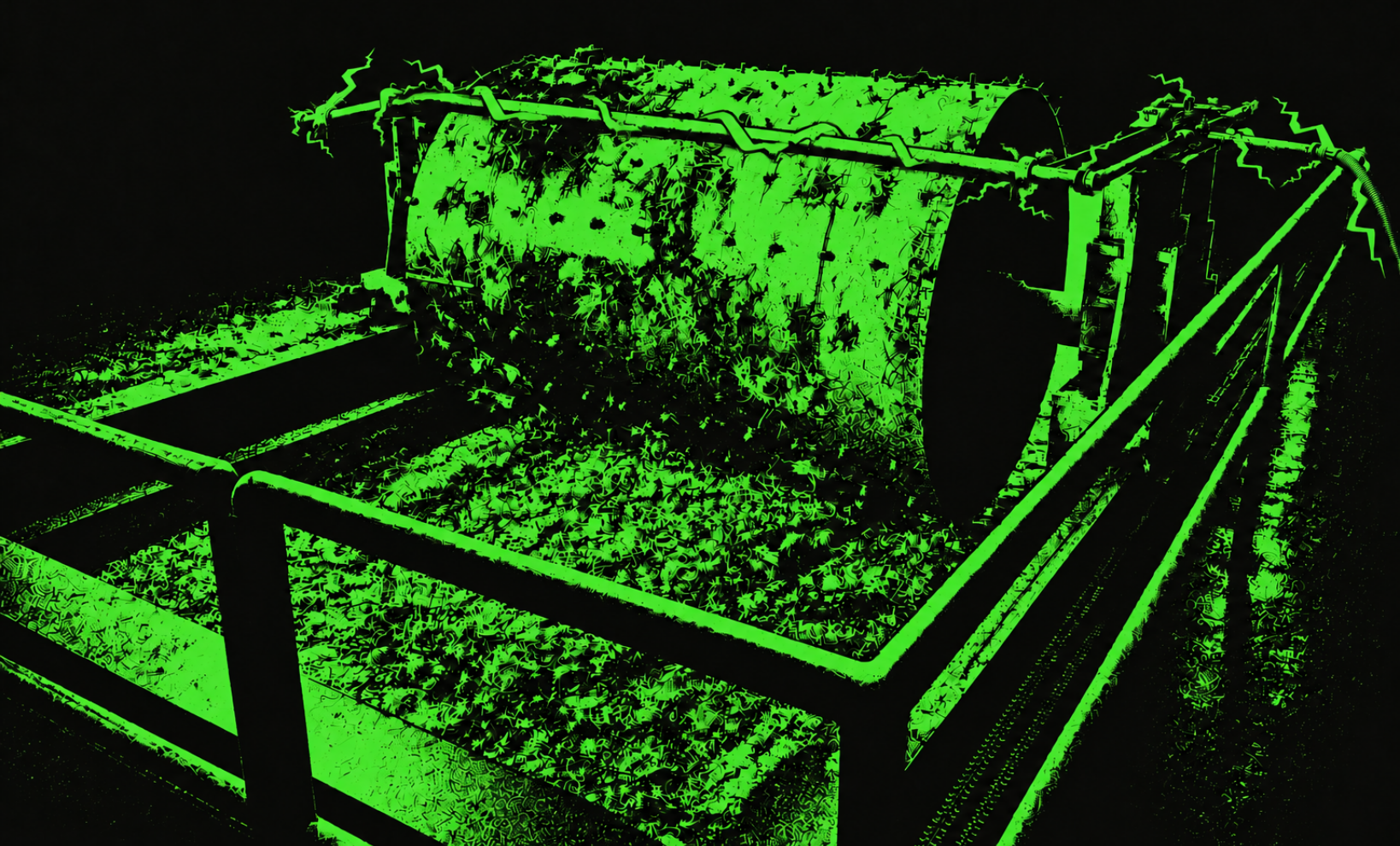
Felipestein looks improbable, but what it proves is simple: a living method is not protected by freezing it in place, but by adjusting it responsibly.
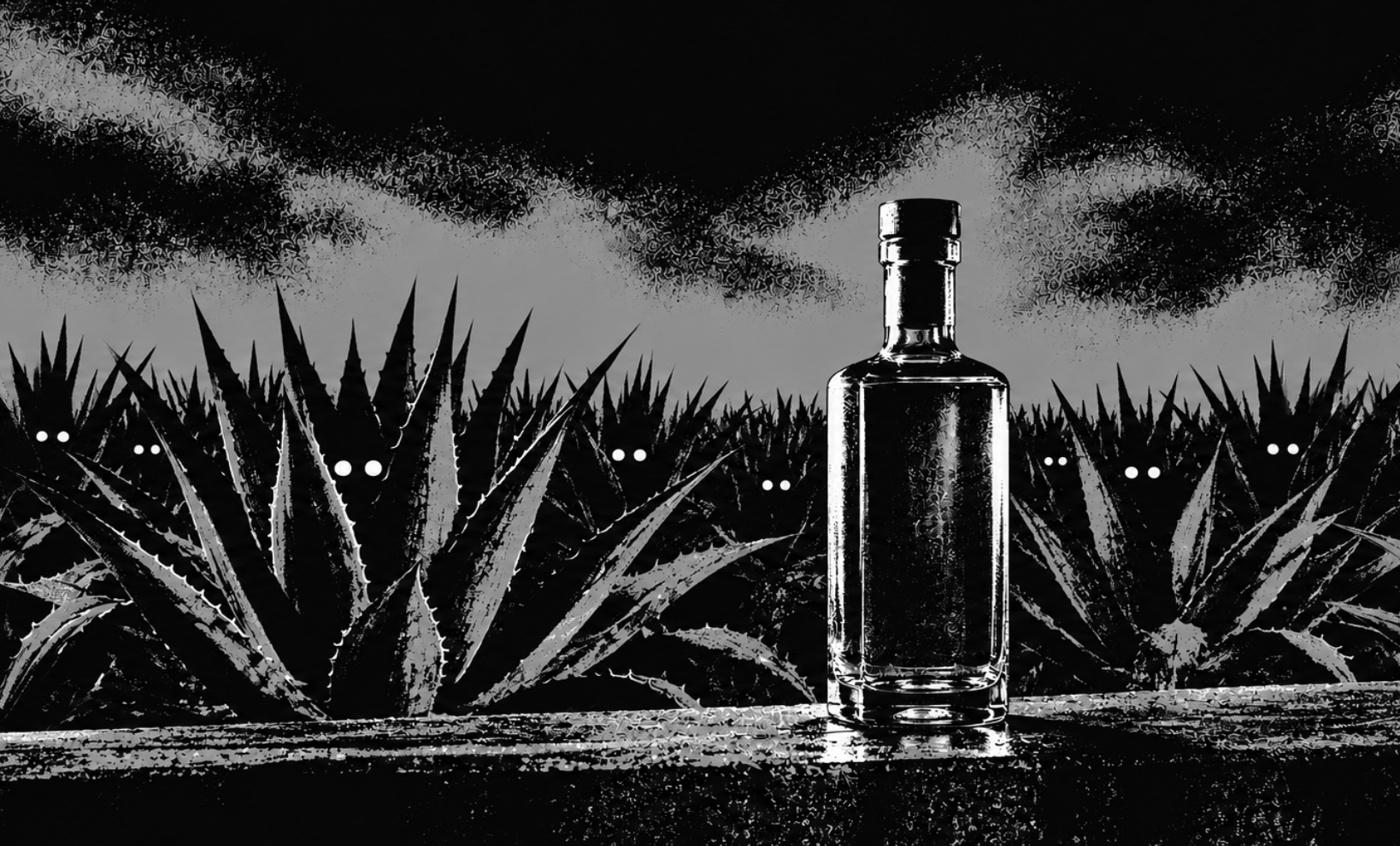
Raicilla is often explained by comparison before it is understood through identity.
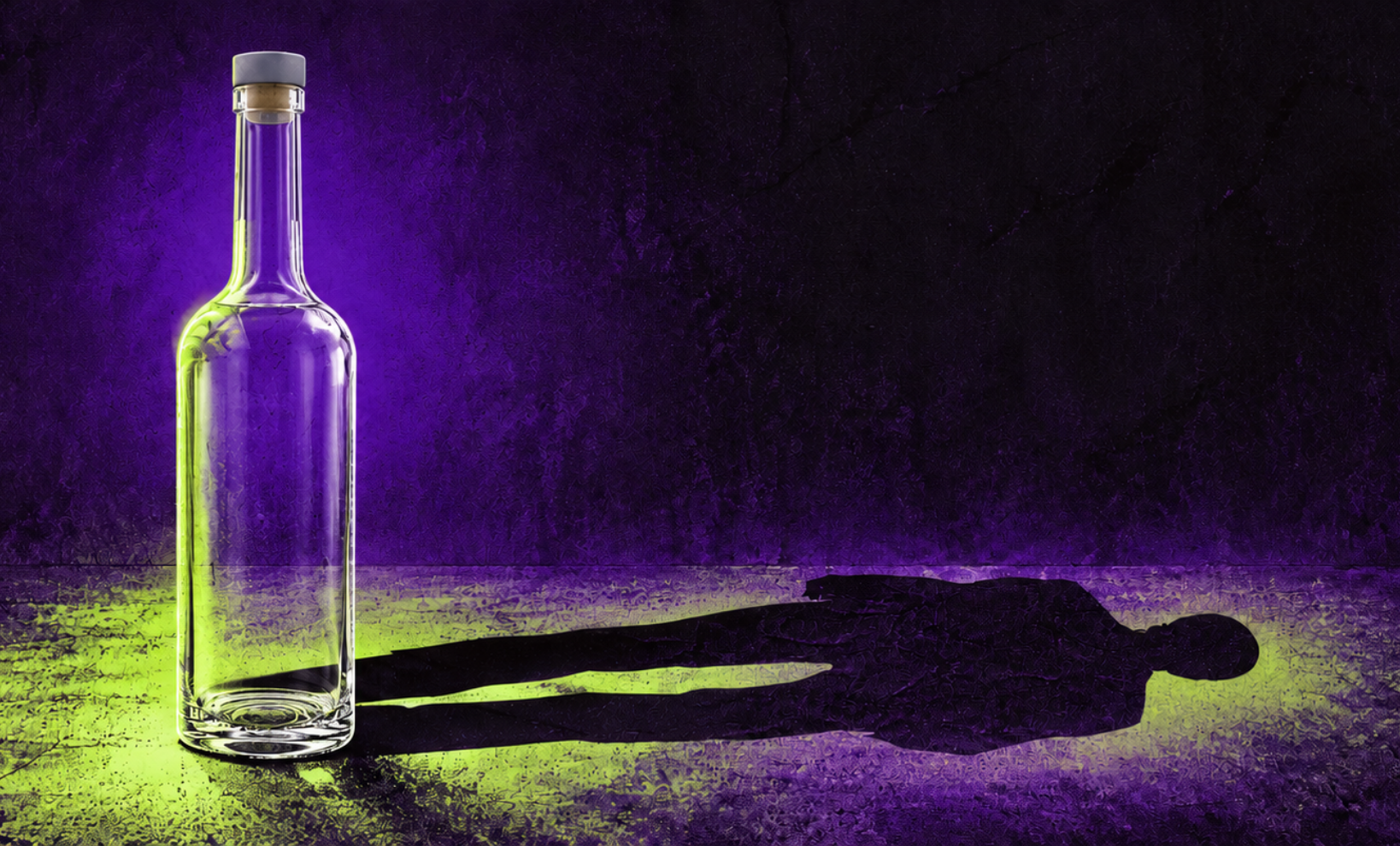
Celebrity tequila does not erase the producer. It teaches the consumer not to look for them.
Four producers reveal what cannot be sacrificed if a spirit is to remain fully itself.

By accessing and using PKGD´s website, you agree to the cookie policy outlined in our privacy notice.
By accessing and using PKGD´s website, you agree to the cookie policy outlined in our privacy notice.
























Leave a reply
Lorem ipsum dolor sit amet, consectetur adipiscing elit. Suspendisse varius enim in eros elementum tristique. Duis cursus, mi quis viverra.
Lorem ipsum dolor sit amet, consectetur adipiscing elit. Suspendisse varius enim in eros elementum tristique. Duis cursus, mi quis viverra.