



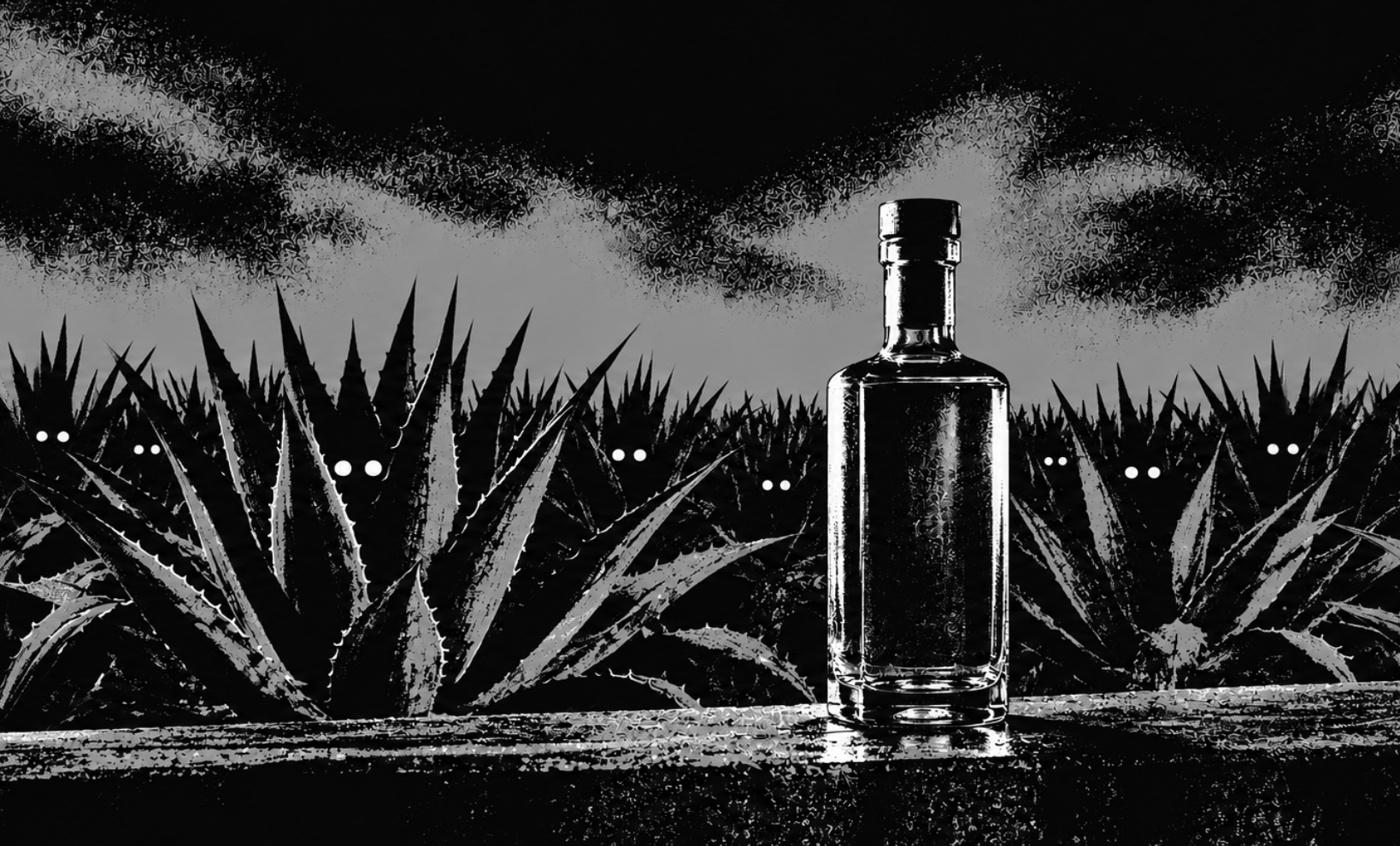
Not everything important in the world of agave was always easy to name.
Some categories entered the market already translated: with clear definitions, recognizable frames, and a relatively stable place within commercial conversation. Others, by contrast, remained for a long time in a zone of lesser visibility. Not because they lacked history, identity, or rigor, but because they were harder to read from the outside.
Raicilla belongs to that second group.
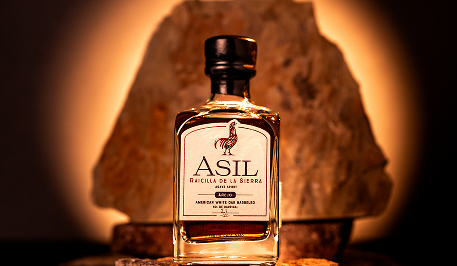
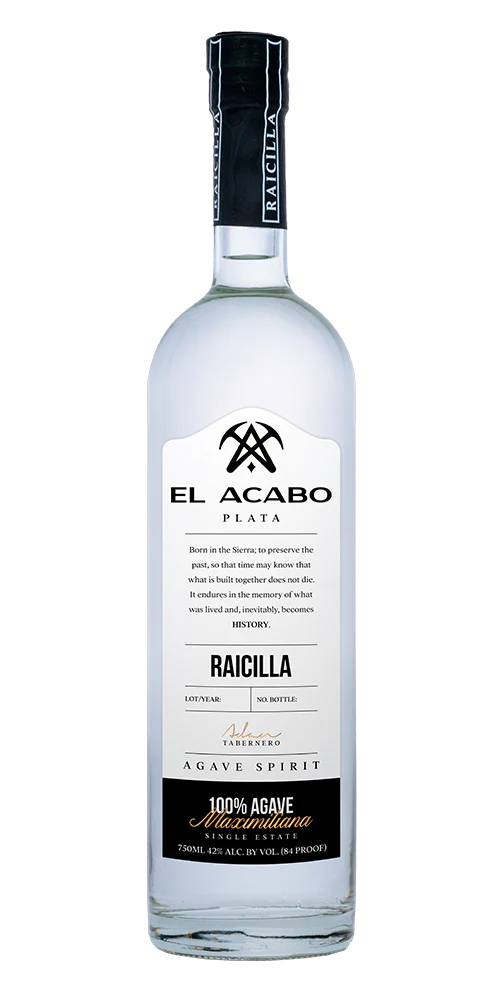
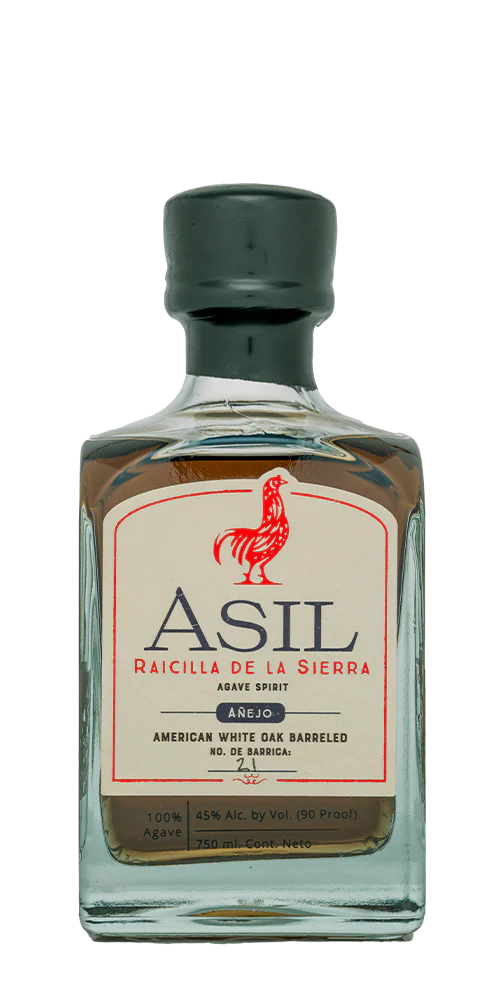
For a long time, this agave distillate from Jalisco remained partially outside the most familiar frames through which the category is usually organized. Its history did not circulate with the same clarity. Its name was not always understood. And its identity was often caught in quick comparisons: a kind of mezcal, a side branch of tequila, a regional rarity that was difficult to place.
None of that explains it well.
Part of raicilla’s history helps explain why. During the colonial period, local distillate production faced restrictions and oversight. In that context, naming certain things indirectly could also be a way of sustaining them. The word raicilla became tied to that history of low visibility: not as a romantic gesture, but as a practical form of continuity.
Beneath that name, what survived was not an isolated curiosity.
What survived was a real tradition.
Producers, families, techniques, territories, and decisions accumulated across generations. What also survived was a distinct way of making agave distillate in western Jalisco, with enough internal variation to demand a more precise reading.
That is one of the key parts of the problem. Raicilla is often explained by comparison before it is explained through identity. It is placed too quickly inside adjacent categories, as if the reader could only understand it through something already familiar. That impulse is understandable, but it is also limiting. It may help orient someone at first, but it can also prevent them from seeing what makes raicilla specific.
Because raicilla is not simply tequila, nor can it be fully understood if it is presented only as another form of mezcal. It is a distinct tradition from Jalisco, with its own regional history and with expressions that shift between coast and sierra without losing their deeper coherence.
That diversity does not make it confusing. It makes it richer.
In the sierra, certain practices, agave species, and high-altitude conditions produce profiles that differ from those of the coast, where other techniques, other landscapes, and other forms of distillation also persist. There is no need to turn those differences into a catalog to recognize something more important: the category has internal structure. It has its own world.
And it deserves to be read from there.
That is what is often lost when a category with lower historical visibility finally enters a wider field of attention. Instead of asking what it is, we rush to decide what it resembles. In that move, we gain speed, but lose precision.
Raicilla asks us to slow that habit down.
It asks for a different kind of reading. One that begins with its territory, its history, and the living tradition that sustains it. One that does not turn it into a mysterious exception or a useful derivative of something else. One that allows it to come into clearer focus without exaggerating it in order to make it interesting.
Perhaps that is why this title still works. Not because raicilla belongs in the shadows, but because its history asks us to look more carefully at what, for a long time, was only partially understood.
To make it visible is not to turn it into a myth.
It is to learn to see it better.
And in raicilla’s case, that means something very simple: to understand what it is before deciding what it resembles.
This article was structured with the assistance of artificial intelligence (ChatGPT). All content is based on human input and editorial oversight. For more details on how PKGD integrates AI responsibly, please refer to our AI Policy.
At PKGD, we continue investing in brand-led storytelling, creating work designed not only to perform, but to build long-term brand equity.
This article was structured with the assistance of artificial intelligence (ChatGPT). All content is based on human input and editorial oversight. For more details on how PKGD integrates AI responsibly, please refer to our AI Policy.


Fermentation is not just a production stage. It is one of the clearest ways to understand how a spirit becomes itself.
A heavy bottle can make a spirit seem important before the liquid has shown why it matters.
Some tequilas seem built to produce a favorable reading before they truly show how they were made.
Felipestein looks improbable, but what it proves is simple: a living method is not protected by freezing it in place, but by adjusting it responsibly.
Celebrity tequila does not erase the producer. It teaches the consumer not to look for them.
Four producers reveal what cannot be sacrificed if a spirit is to remain fully itself.

By accessing and using PKGD´s website, you agree to the cookie policy outlined in our privacy notice.
By accessing and using PKGD´s website, you agree to the cookie policy outlined in our privacy notice.























Leave a reply
Lorem ipsum dolor sit amet, consectetur adipiscing elit. Suspendisse varius enim in eros elementum tristique. Duis cursus, mi quis viverra.
Lorem ipsum dolor sit amet, consectetur adipiscing elit. Suspendisse varius enim in eros elementum tristique. Duis cursus, mi quis viverra.