



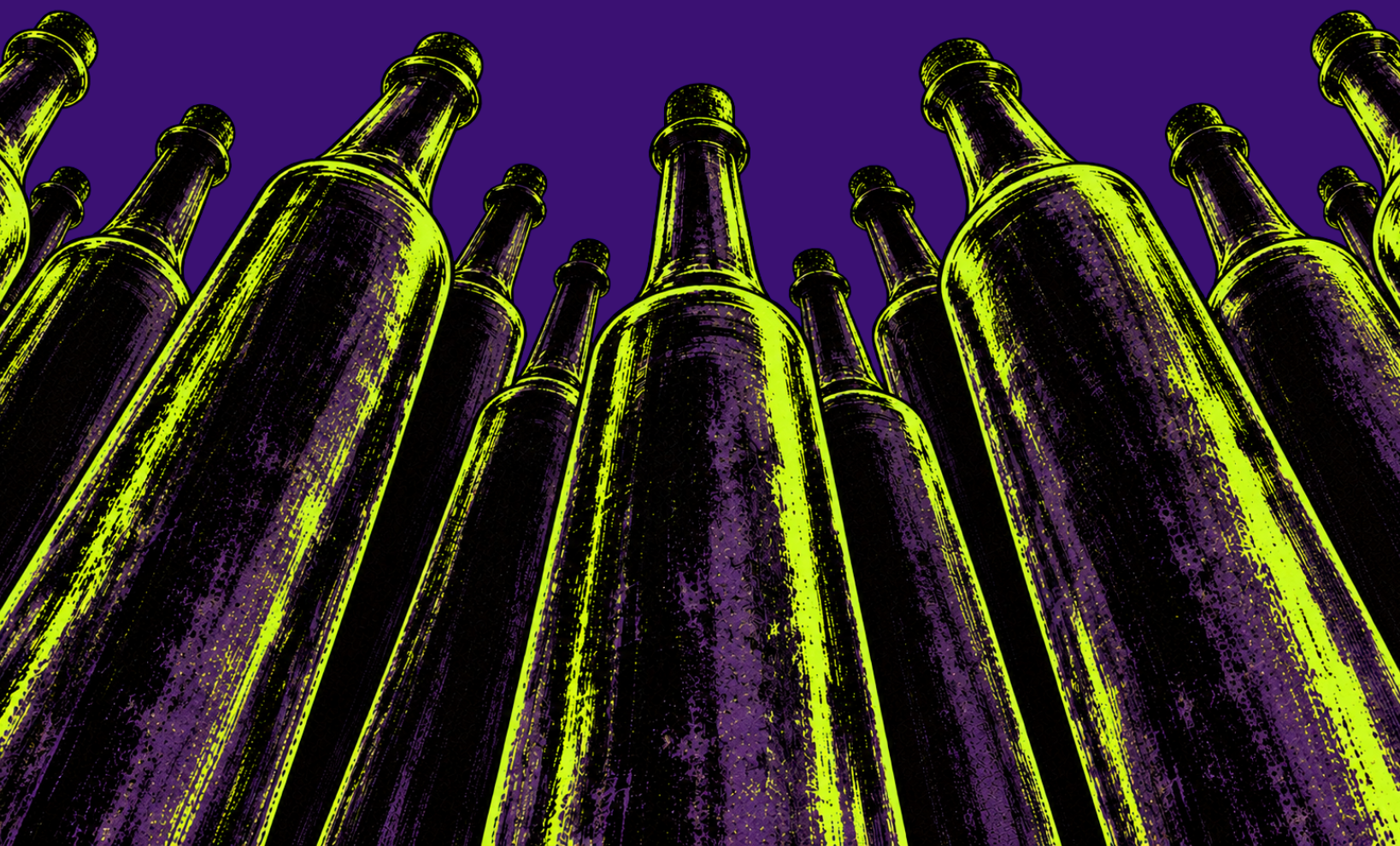
A heavy bottle can make a spirit seem important before the liquid has shown why it matters.
In agave categories, that matters more than it may first appear.
Before a tequila, mezcal, or raicilla is poured, the bottle has already begun to speak. Its weight, thickness, height, texture, closure, and ornament start shaping expectation. The object enters the hand before the liquid enters the glass. And in premium spirits, that first contact is rarely neutral.
A heavy bottle can suggest seriousness. Thick glass can imply substance. Embossing, ceramic, minimalism, or a sculptural silhouette can signal craft, purity, rarity, and value. None of that is accidental. Packaging is often the first argument a brand makes, and sometimes the most persuasive.
That does not make the product false. Good design can help a spirit feel distinct, intentional, and memorable. It can make it more visible, more legible, and easier to recognize. The problem begins at a more precise point: when the object starts offering an authority the liquid does not yet sustain.
Consumers do not encounter a spirit in a vacuum. They encounter form, material, language, reputation, and ritual at once. A thick glass bottle with a heavy base does not only protect what it carries.
It also predisposes a reading.
That is why packaging matters so much in premium agave. It is the only form of marketing every buyer physically touches. Before aroma, before texture, before finish, the hand has already begun reading value.
The market understands this very well. Premium spirits are rarely sold on the liquid alone. They are sold through a system of signals that helps the consumer decide what kind of object they are holding and what kind of value they are being asked to recognize.
The problem is not design or luxury. It appears when those signals begin operating as shortcuts to value.
At the sharper end of this logic, the bottle stops being just a container.
It becomes the product's central claim.
Some luxury tequilas have pushed this logic very far through precious metals, artistic collaborations, near-museographic presentations, and the language of collectibility. In those cases, rarity no longer emerges from the spirit alone.
It is materially staged.
Tequila Ley .925 is one of the clearest examples of this logic: there the bottle functions almost as an investment object. At a different scale, Patrón en Lalique shows another version of the same mechanism: part of the visual authority comes from prestige borrowed from an external luxury house.1
None of these cases proves on its own that the liquid is lesser. But they do show something important: the bottle can end up doing a disproportionate share of the work of validation.
Packaging does not operate alone. It operates alongside narrative.
That is what makes the mechanism so powerful. The object is almost never presented as beautiful purely on its own. It usually arrives accompanied by stories of heritage, art, place, ritual, lineage, or craft. And many times those stories do matter: agave spirits carry real processes, people, regions, and continuities that need language in order to become visible.
But narrative can also overreach.
It can turn cultural reference into surface. It can turn a process into a prestige signal. It can turn history into an overly generous frame of validation. It can make a product seem deeper, rarer, or more rooted than the glass itself confirms.
The problem is not only exaggeration. It is that the consumer may end up confusing a convincing staging with real proof of the spirit.
That is why it matters to distinguish between design that accompanies and design that replaces.
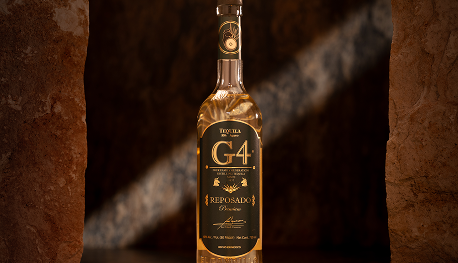
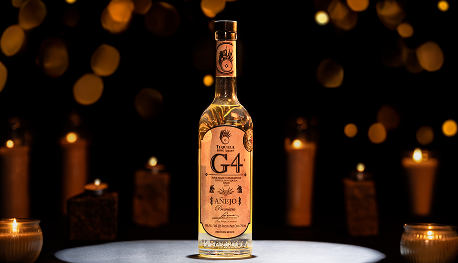
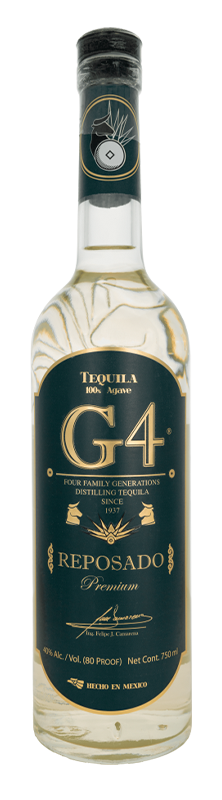
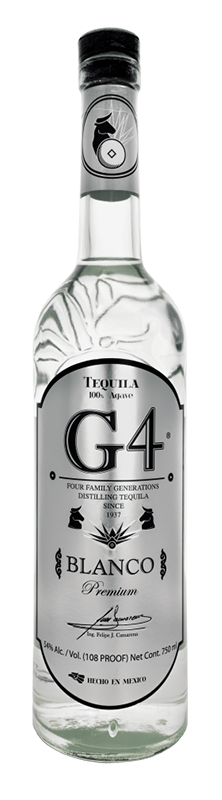
G4 offers a useful counterexample. Its packaging does not try to resolve authority through material spectacle, but instead lets the tequila build that authority in the glass. As Felipe Camarena has put it: "I'm not in the business of making fancy bottles. I'm in the business of making great tequila."
More than a quote, it establishes a hierarchy.
First the spirit. Then everything else.
That same principle also helps us read other agave brands whose symbolic weight rests less in the object and more in origin, process, or the trajectory of production. The point is not that all sobriety is more honest. The point is to understand where the burden of proof actually lives.
A heavy bottle also has a literal consequence.
Weight is not only a signal. It is matter.
In spirits, a lightweight bottle may range from 350 to 500 grams, while a premium heavy-base bottle can rise to 750 or even 1,000 grams or more.2 Within the same format, the glass can nearly triple in weight without changing a single drop of the liquid.
That excess does not stay in the consumer's hand. It scales in transit. A case of 12 more restrained bottles may weigh around 16.3 kg; with heavier glass, that same case can approach 21.1 kg.3 That means roughly 5 extra kilograms per case that do not belong to the spirit, but to the packaging.
And the sector already treats that difference as more than aesthetic. Major spirits groups have turned lightweighting into a real line of work, which shows that material prestige also has logistical and environmental consequences. It requires more glass, more transport, and more cost to sustain a signal of value that, in many cases, the liquid has still not fully justified.
If scaled across palletized distribution, the difference grows quickly: that same gap can translate into roughly 250–300 extra kilograms per pallet, depending on configuration.4
None of this means the consumer should reject beautiful bottles or automatically distrust every premium signal.
It means, rather, that the reading should slow down.
Before asking whether a bottle feels expensive, rare, elegant, or collectible, it helps to ask a harder question: what is this object actually helping me understand about the spirit, and what is it merely inviting me to assume?
Does the design clarify origin, process, producer, or category? Does it make the product more legible? Or does it manufacture a feeling of authority that the spirit still has to earn in the glass?
That question matters equally in tequila, mezcal, and raicilla. In all three categories, packaging can reveal difference or turn it into a familiar premium script.
And when that happens, the consumer begins reading certain signals as if they were proof.
That is the heavy bottle trap.
Not because the market has learned how to make spirits look important, but because it can also teach the consumer to stop asking whether the liquid ever truly supported that perception.
1 Patrón × Lalique shows another version of the same mechanism: visual authority rests not only on the spirit or the original brand, but also on prestige transferred from an external luxury house. The collaboration was not a one-off release but an ongoing series, including Série 1 (2015), Série 2 (2017, Art Deco-inspired), and Série 3 (2022, 299 bottles at US$7,500), which reinforces the bottle's role as a long-term prestige object rather than a single exceptional package. References:
2 Weight ranges for empty 700–750 ml spirits bottles were compiled from packaging and specification references cited in the underlying research, including Kanda Cork and Bay Industry. Across those sources, lightweight bottles commonly fall around 350–500 g, standard bottles around 420–700 g, and heavy-base premium bottles around 750–1,000 g or more.
3 Case-weight estimates are derived calculations, not a single published manufacturer specification. They are based on documented bottle-weight ranges, an estimated liquid weight of ~712 g for 750 ml at 40% ABV, and a published reference weight of 1.8 kg for a reusable 12-bottle crate.
4 Pallet-scale projections are included as distribution illustrations, not fixed universal shipping specifications. They are supported by the packaging-volume reference used in the research for 700–750 ml agave glass bottle orders. Reference:
This article was structured with the assistance of artificial intelligence (ChatGPT). All content is based on human input and editorial oversight. For more details on how PKGD integrates AI responsibly, please refer to our AI Policy.
At PKGD, we continue investing in brand-led storytelling, creating work designed not only to perform, but to build long-term brand equity.
This article was structured with the assistance of artificial intelligence (ChatGPT). All content is based on human input and editorial oversight. For more details on how PKGD integrates AI responsibly, please refer to our AI Policy.



Fermentation is not just a production stage. It is one of the clearest ways to understand how a spirit becomes itself.
Some tequilas seem built to produce a favorable reading before they truly show how they were made.
Felipestein looks improbable, but what it proves is simple: a living method is not protected by freezing it in place, but by adjusting it responsibly.
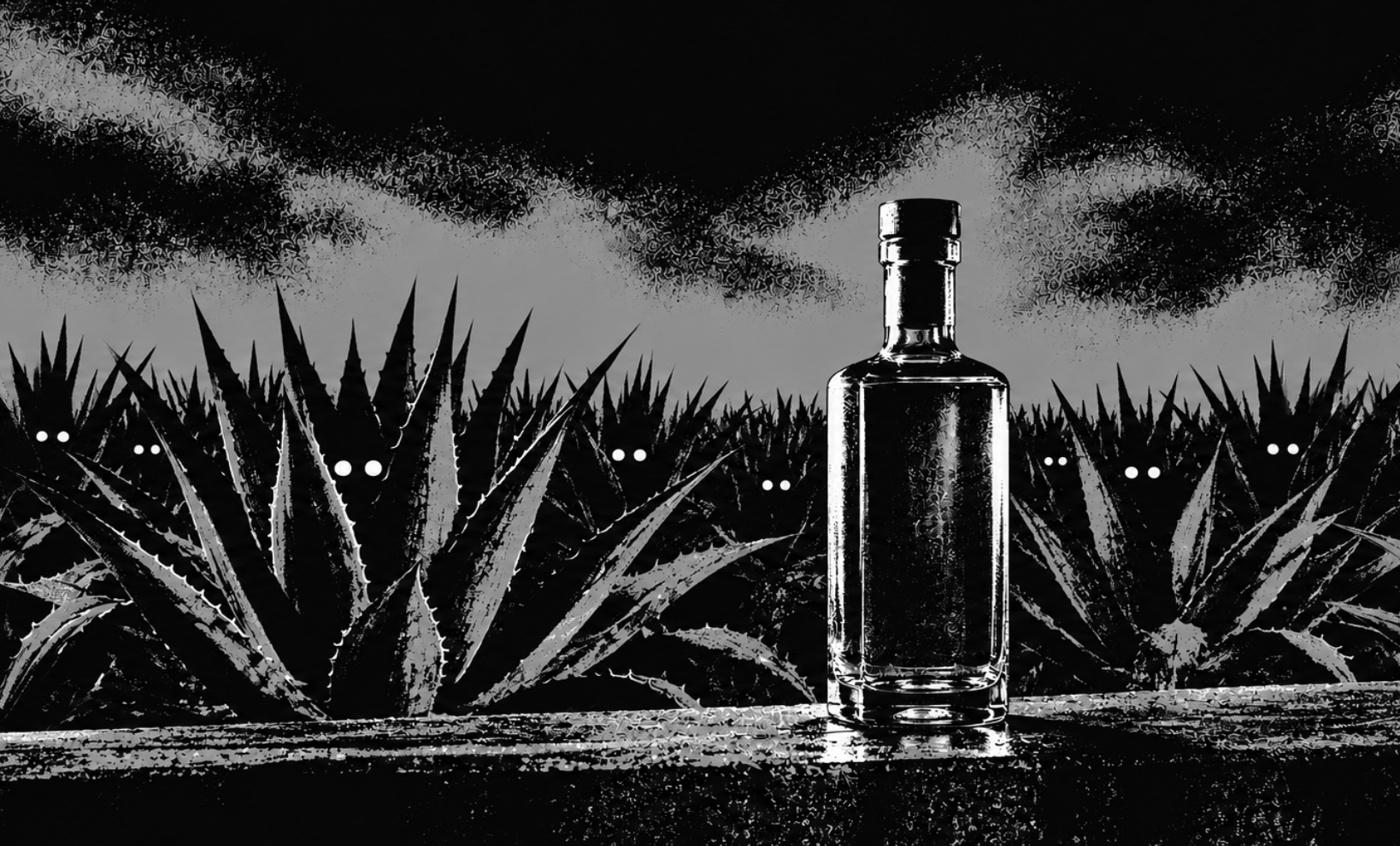
Raicilla is often explained by comparison before it is understood through identity.
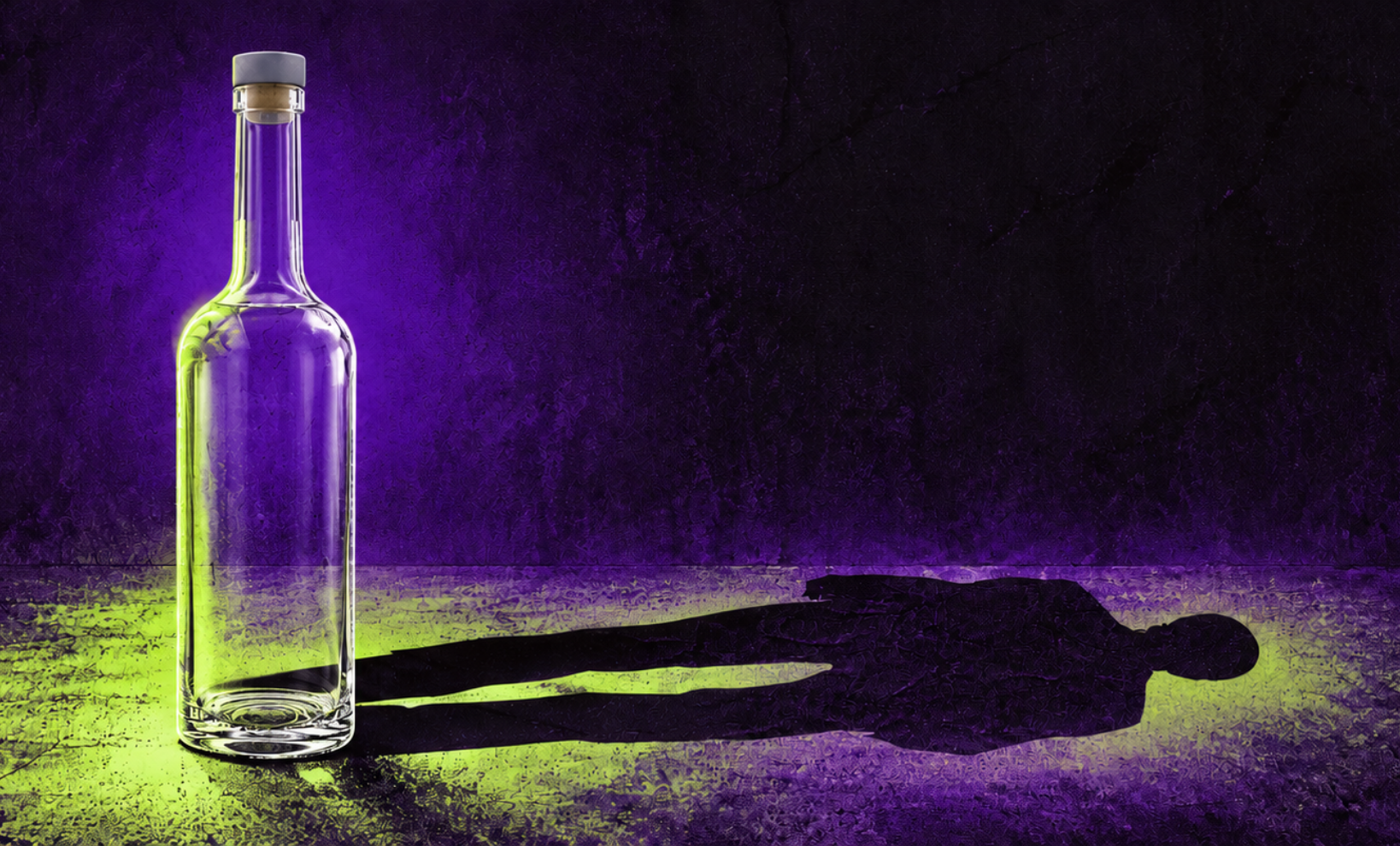
Celebrity tequila does not erase the producer. It teaches the consumer not to look for them.
Four producers reveal what cannot be sacrificed if a spirit is to remain fully itself.

By accessing and using PKGD´s website, you agree to the cookie policy outlined in our privacy notice.
By accessing and using PKGD´s website, you agree to the cookie policy outlined in our privacy notice.



















Leave a reply
Lorem ipsum dolor sit amet, consectetur adipiscing elit. Suspendisse varius enim in eros elementum tristique. Duis cursus, mi quis viverra.
Lorem ipsum dolor sit amet, consectetur adipiscing elit. Suspendisse varius enim in eros elementum tristique. Duis cursus, mi quis viverra.