



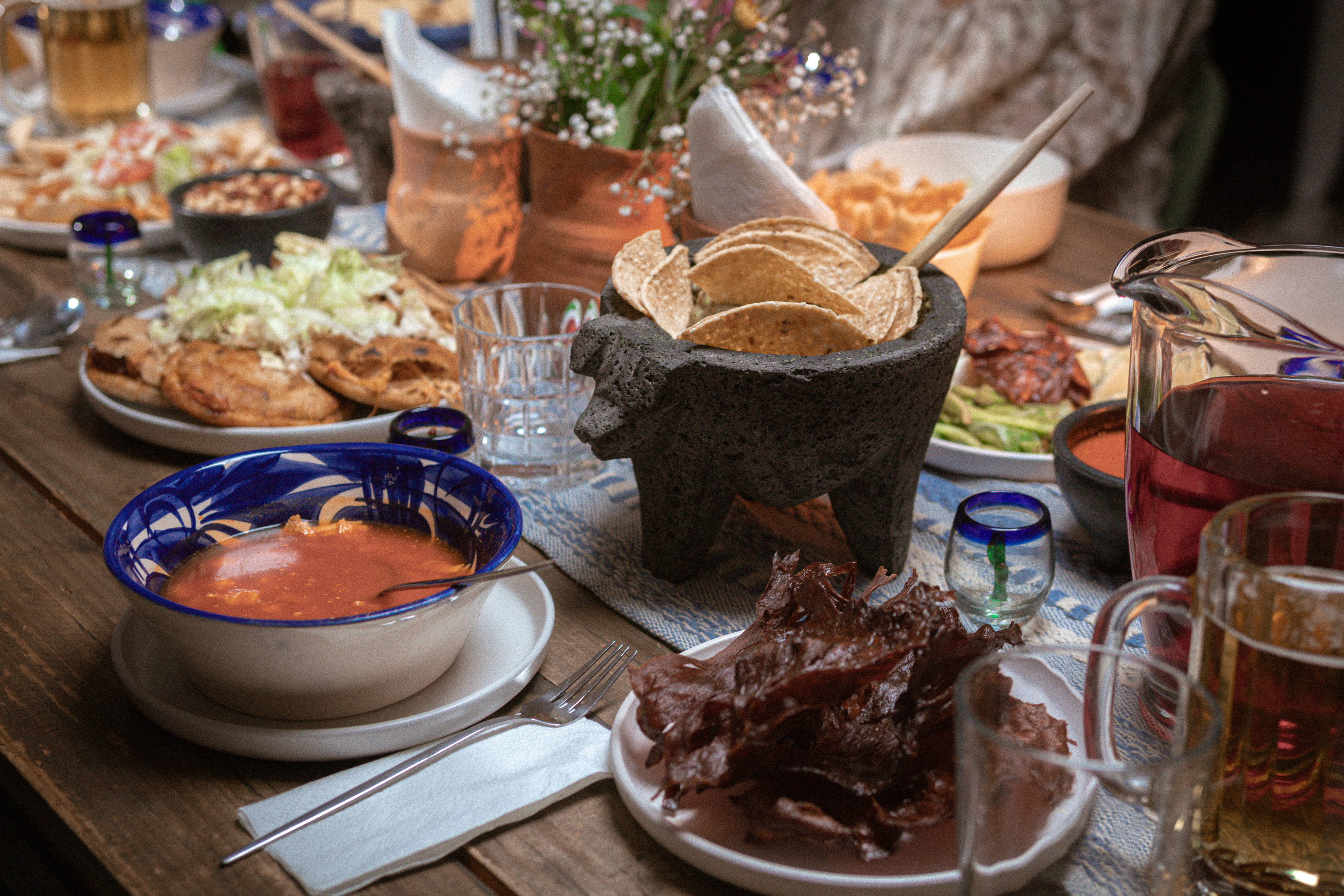
In September, Mexico appears everywhere. The question is how often it truly appears whole.
There are months that push brands to say something, and September often pushes them to say the easiest thing. Colors arrive before ideas. Symbols show up before substance. Culture becomes an available surface, something to be quoted, decorated, or repeated. The problem isn’t that Mexico becomes visible. The problem is how easily that visibility can detach from the truth it claims to represent.
Representing a culture has never been only about naming it. Even less so in a context where repetition can disguise itself as homage. Showing Mexico is not the same as understanding it, and understanding it is not the same as translating it. Between one thing and the other there are decisions. There is context. There are limits. There is a concrete responsibility for what is preserved, what is transformed, and what should not be simplified to become more consumable.
That is where September stops being merely an observance and becomes a test of judgment.
Cuisine offers a particularly clear way to understand that tension. Not because it serves as a showcase of identity, but because it forces us to work with a memory that is still alive. Translating a culture through cuisine is not about immobilizing it, reducing it to a ceremonial gesture, or turning it into a collection of recognizable signs. It is about sustaining an honest relationship with its origin, its techniques, its time, and the people who have kept it alive.
This appears clearly in the way Oscar Moreno speaks about tradition:
“Preserving a tradition doesn’t mean keeping it motionless, but understanding its origin, respecting those who passed it down, and keeping its essence alive.”
The distinction matters because it corrects a frequent confusion: believing that to preserve is to freeze. But a tradition doesn’t stay alive because it remains intact. It stays alive when it keeps meaning, when it can still be practiced, when it still transmits knowledge, and when it can enter the present without being stripped of its root.
When a tradition becomes mere representation, it loses depth. It may remain recognizable and, at the same time, have lost part of what gave it meaning. That is the risk of folklore when it ceases to be practice and becomes ornament: the culture remains visible, but it is no longer necessarily being understood.
That is why translating Mexico requires more than aesthetic sensitivity. It requires attention and also limits. There are things that can be shared and others that can only be approached with respect. In Moreno’s words:
“My work as a chef is to bring the diner closer to that memory with respect and honesty.”
To bring closer is different from replacing. It does not mean recreating a culture in full or making it accessible at any price. It means recognizing that every translation has a limit and that respecting it is also a way of preserving.
The memory of a cuisine is not made only of recipes or ingredients. It also lives in gestures, rhythms, tools, relationships, and contexts that do not always fit wholly into an exportable version. Acknowledging that limit does not weaken the translation. It makes it more serious.
It also makes it more concrete.
Time, for example, is not an atmospheric detail within Mexican cuisine. It is part of its logic.
“In an age that wants to speed everything up, we turn time into a primary ingredient,” says Moreno.
More than a good phrase, it is a position. There are processes that cannot be compressed without losing something essential. There are flavors whose quality depends precisely on not yielding to haste.
That patience is not nostalgia. It is discipline. In fermentation, in nixtamal, in a mole, or in the maturation of agave, time does not function as passive waiting, but as a condition. What takes time does not always take time out of romanticism. Sometimes it takes time because that is how its character is built.
The same is true of tools and ingredients when they cease to be treated as isolated objects. A comal, a molcajete, or a metate are not merely utensils. They contain knowledge: ways of working, movements, tempos, and decisions passed down through generations.
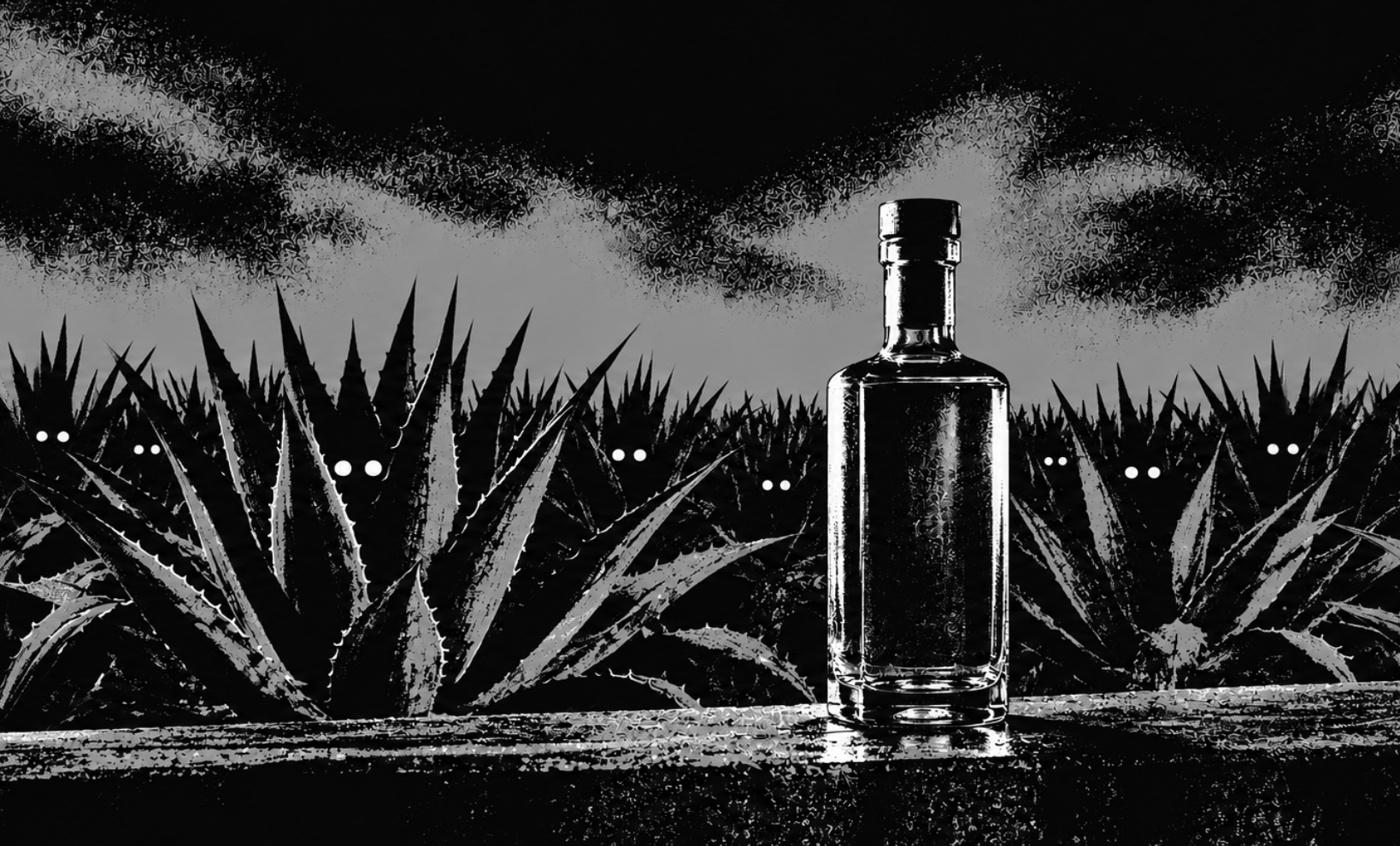
Agave cannot be reduced to a neutral raw material either.
“When we understand agave as a plant and not only as raw material for producing spirits, we learn to respect its time, its territory, and the communities that have cared for it for generations.”
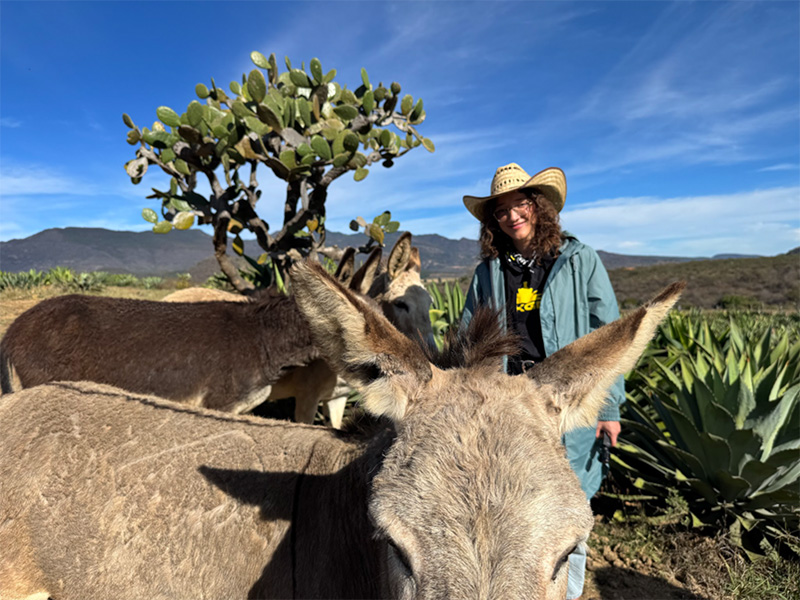
The difference is decisive. When agave is reduced to an input, the gaze is reduced as well. The landscape, the care, the waiting, and the people who sustain its continuity disappear. When it is understood as a plant, the web of knowledge that makes its existence possible reappears.
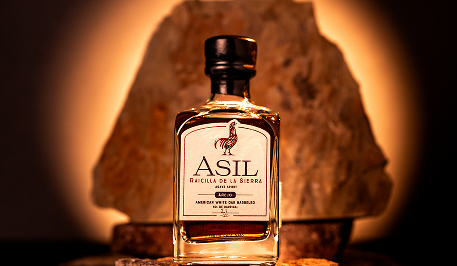
That is why, when Moreno cooks with an agave spirit, he is not speaking of an isolated ingredient, but of a territory entering the plate. In that idea there is a precise form of respect: letting the product arrive with its history, without simplifying its origin.
Perhaps that is why September demands more care than enthusiasm. Because it is a month full of opportunities to show Mexico and, at times, short on reasons to show it well. Not for lack of pride, but because pride alone protects nothing.
What protects is discernment.
The ability to distinguish between sharing a tradition and simplifying it, between making it visible and turning it into decoration, between translating it and betraying it.
In September, that can be a more honest form of celebration: not insisting on Mexico as a symbol, but recognizing those who still sustain, in their daily work, the time, knowledge, and decisions that make its truth possible.
This article was structured with the assistance of artificial intelligence (ChatGPT). All content is based on human input and editorial oversight. For more details on how PKGD integrates AI responsibly, please refer to our AI Policy.
This article was structured with the assistance of artificial intelligence (ChatGPT). All content is based on human input and editorial oversight. For more details on how PKGD integrates AI responsibly, please refer to our AI Policy.
At PKGD, we continue investing in brand-led storytelling, creating work designed not only to perform, but to build long-term brand equity.

By accessing and using PKGD´s website, you agree to the cookie policy outlined in our privacy notice.
By accessing and using PKGD´s website, you agree to the cookie policy outlined in our privacy notice.




















Leave a reply
Lorem ipsum dolor sit amet, consectetur adipiscing elit. Suspendisse varius enim in eros elementum tristique. Duis cursus, mi quis viverra.
Lorem ipsum dolor sit amet, consectetur adipiscing elit. Suspendisse varius enim in eros elementum tristique. Duis cursus, mi quis viverra.