



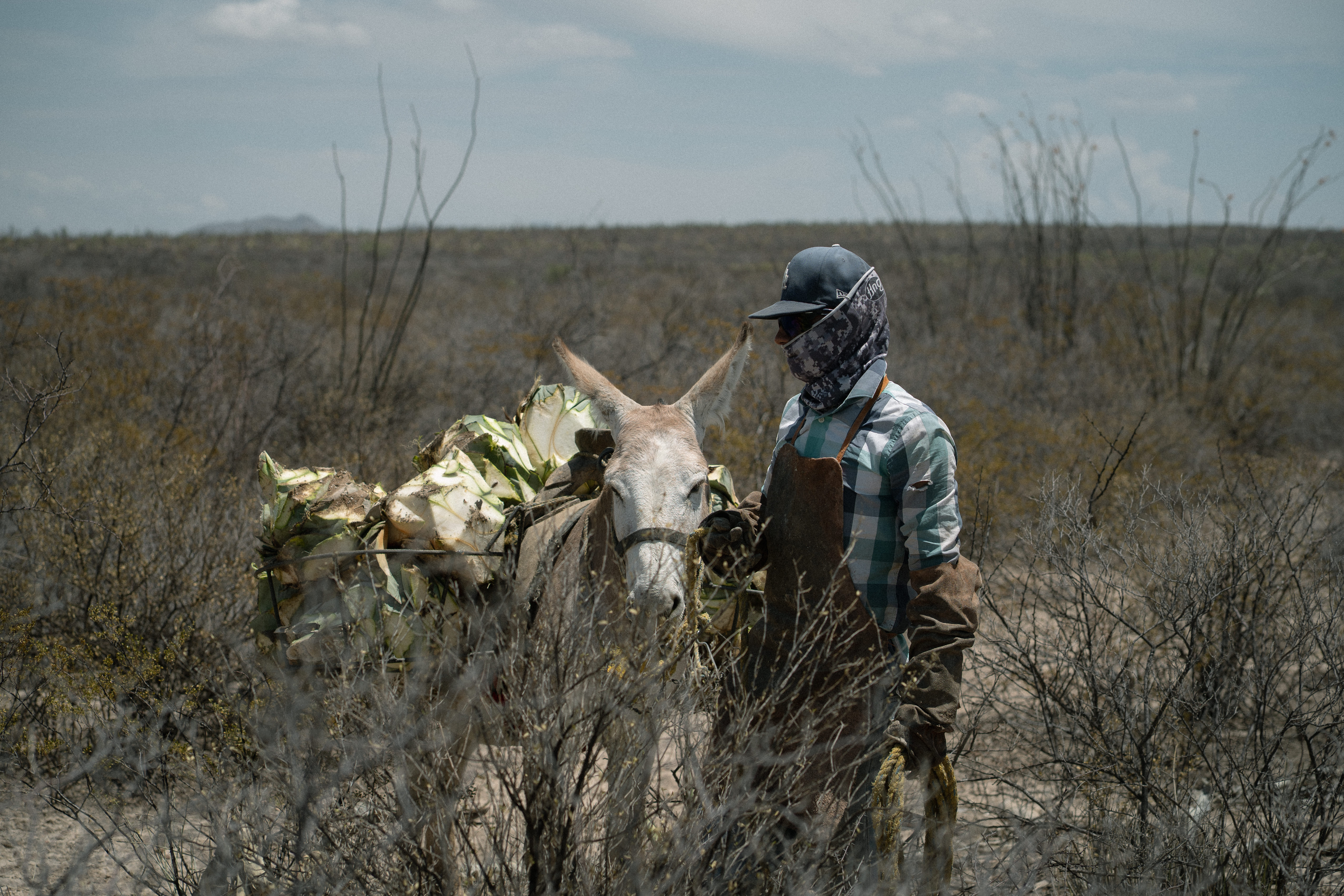
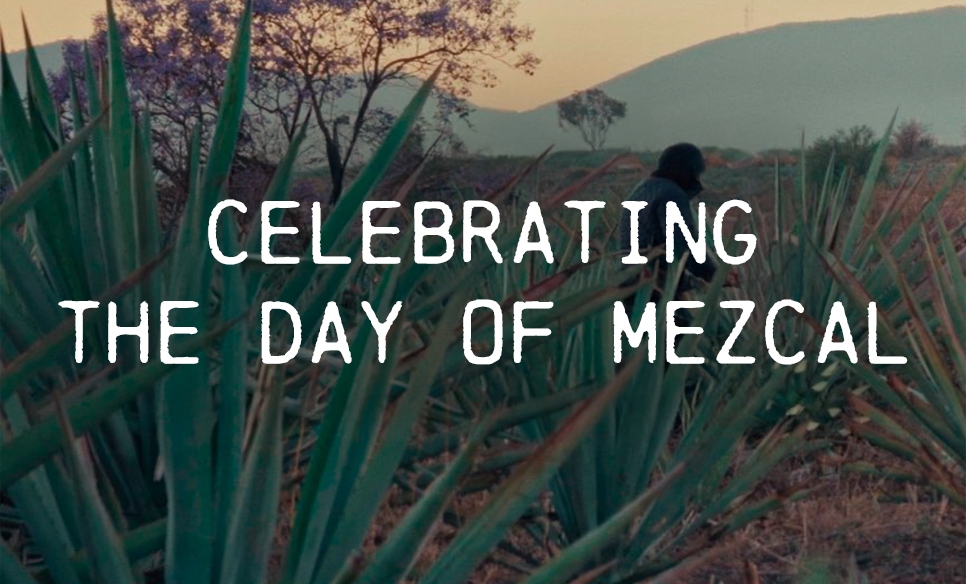
Mezcal has served as a guide, a vehicle for growth, and a point of stability in the history of mezcal-producing communities in Mexico. The agave plant can be seen as a vessel of cultural resistance. This resistance is a multifaceted struggle to preserve indigenous heritage, ensure food sovereignty, and protect the biological diversity of the Mexican landscape amid the ever-growing pressure of international capitalist hegemony.
Making mezcal without modern machinery requires deep, generational knowledge of harvesting wild or semi-cultivated agave, roasting the hearts in pit ovens, and fermenting with naturally occurring yeasts. Supporting these family-run palenques (distilleries) helps local artisans keep traditions alive in a world that often drives industrial uniformity.
The history of mezcal is rooted in an act of survival. During Spanish colonization, the production of locally made spirits like mezcal was heavily restricted to ensure the dominance of European liquor imports. Producers retreated into remote, mountainous regions where they continued to work clandestinely. By passing down distillation methods against the odds, families associated the survival of this culture with the resilience of the agave plant.
Sowing traditional seeds and controlling local food production are revolutionary acts of defiance. More than just a commercial activity, traditional agricultural practices function as a means to recover historical connections with the land. On a physical level, cultivating certain crops can counter the impacts of industrial practices, such as the degradation of soil through monoculture farming, thereby supporting the environment.
At the heart of this resistance is the figure of the ‘campesino,’ loosely translated as a farmer-peasant. Being campesino is viewed as a cultural identity, tied to ancestral agricultural knowledge, community values, and a close relationship with the land. Resistance, in this context, is the maintenance of this relationship with the soil that goes beyond mere extraction. The relationship is threatened when communities become disconnected from the agricultural activities that give meaning to their heritage.
Industrial agriculture often pressures farmers to switch to monocultures, such as planting only domesticated agave or, conversely, burning agave fields to plant corn for ethanol when prices spike. Resisting these market whims by maintaining a diversified agroecological system ensures that the community remains self-sufficient and resilient against the impacts of globalized commercialism.
By continuing to plant traditional crops and maintaining a ‘campesino’ identity, producers resist the erasure that often accompanies the transition from rural life to a globalized economy.
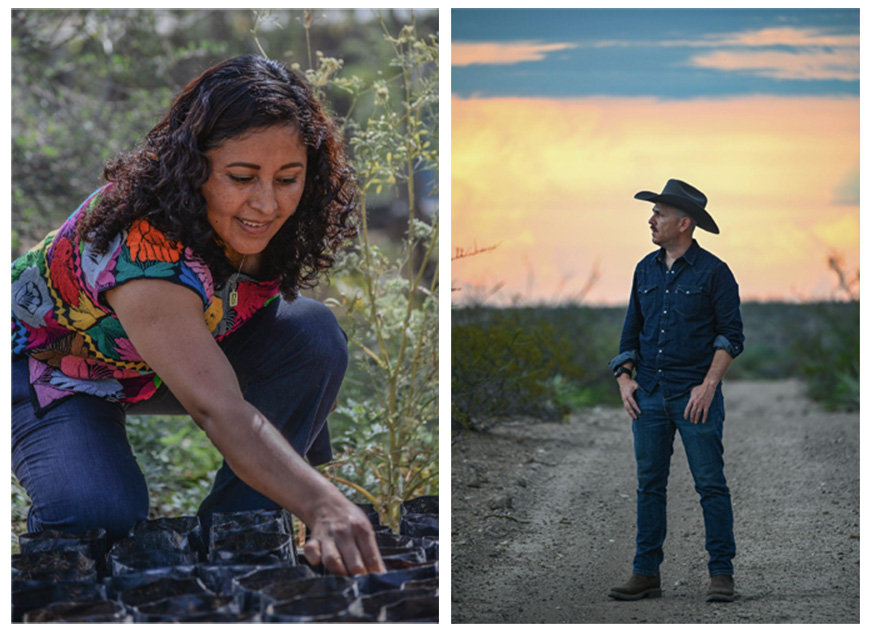
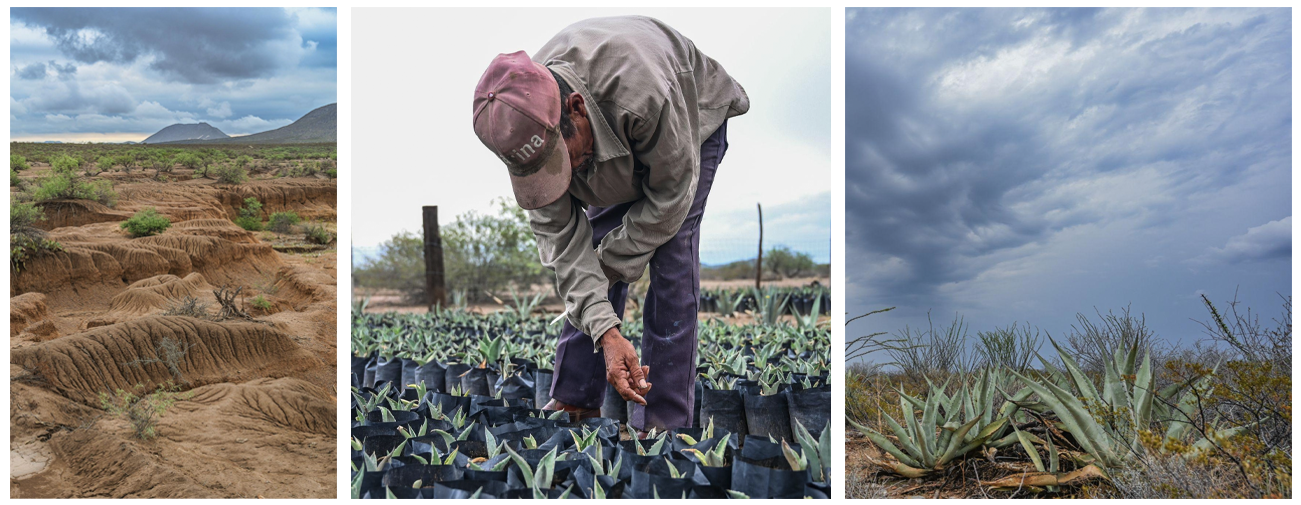
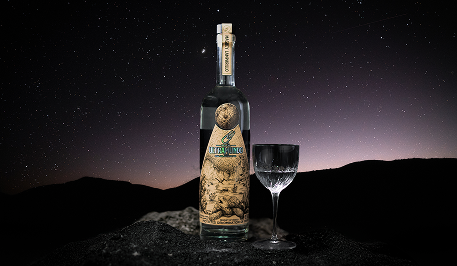
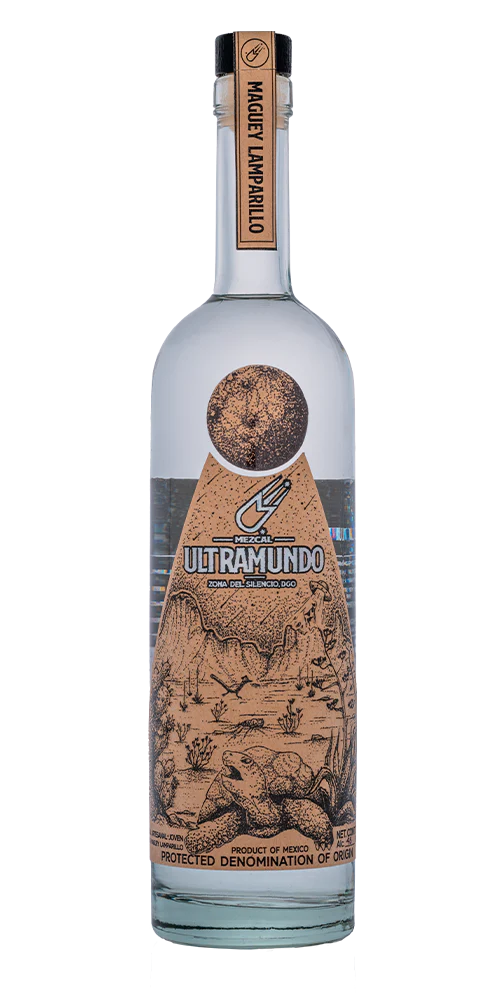
The physical act of farming is itself a form of resistance against soil erosion and environmental degradation caused by industrial methods. Producers like Graciela Ángeles (Real Minero in Oaxaca) and Sergio Garnier (Mezcal Ultramundo in Durango) are embracing regenerative agricultural methods, such as reforestation and maintaining wild agave diversity.
This agroecology is a political movement that challenges corporate-controlled food systems. By defending community land and practicing polyculture, communities protect their ancestral territories from being destroyed by agribusiness monocultures.
Graciela manages her family palenque, where they produce ancestral (clay-pot) style agave spirits. She considers that the identity of a mezcal producer must first be rooted in the land as a farmer. Producers like those at Real Minero prioritize the planting of the milpa, a traditional polyculture system of corn, beans, and squash, alongside their agave.
She says that when talking about the “cultivation of the land, it is not only what the land gives us, but what we give to the land.” According to Angeles, they focus on “a series of practices that can be circumscribed in what is known as agroecology, where we do comprehensive management of the territory, where we begin by carrying out water and soil conservation works.”
At Rancho Pelayo in Durango, where Garnier produces Ultramundo, the land was barren, worn away after years of cattle grazing. Garnier had a vision for his ranch and the neighboring ejidos. These forsaken lands could be full of a rare agave called Lamparillo, an agave that can thrive in the desert environment and help prevent further erosion. Now he is seeing the fruits of his labor, with ripe agave ready to harvest and distill.
It is vital to acknowledge that for many traditional mezcalero families, the “cultural battle” is often a secondary concern to basic survival. Garnier notes that many families live near the poverty line and focus on physiological needs rather than ideological resistance. However, the act of “keeping doing things the way their ancestors did” comes naturally to them. True support for these families means ensuring their basic needs are met so that the preservation of cultural heritage does not become a burden they are too hungry to carry.
Angeles explains how a critical pillar of resistance in the world of mezcal is food autonomy. Mezcal cannot be a resistance force without the broader context of food sovereignty. True autonomy is impossible if a community cannot feed itself. “When we talk about sustainability, we are not only referring to the environmental part; we cannot remove humans from the equation. If humans do not have their basic needs resolved, they will continue to be predators.”
As global demand increases, agave has become a target for biopiracy: the exploitation of biological resources and traditional knowledge without fair compensation. Agave seeds and genetic material have been informally transported out of Mexico to be grown abroad, while international corporations increasingly market products using indigenous imagery.
The resistance against this involves pushing for international protections like the Nagoya Protocol, which seek to ensure the fair and equitable sharing of benefits arising from genetic resources and traditional knowledge. César Iván Ojeda Linares describes this as an uphill battle due to systemic colonialism, wherein Western science did not recognize ecological knowledge from indigenous communities.
Ojeda specializes in the fermented stages of agave beverages. He sees fermentation as a process of resistance: “fermenting is a way of resisting the system that increasingly limits our diets, reducing their range.” He works closely with indigenous communities in Mexico, who have deep empirical knowledge, usually passed down as an oral history.
While mezcal has transitioned from a local treasure to a global commodity, it has entered a “capitalist universe” valued in the billions. This surge in demand has brought corporate giants into the industry. The use of the campesino identity and ‘artisanal’ narrative as marketing tools has led to understandable criticisms toward the mezcal market for perpetuating a circus of gentrified folklore.
Resistance here manifests as the freedom to create labels with “social traceability.” Authentic micro-industries are forming to bypass corporate intermediaries, aiming to effectively transmit wealth generated by mezcal sales to communities that hold the ancestral knowledge.
Today, drinking artisanal, small-batch mezcal can be viewed as a continuation of this cultural victory. Ideally, it is a rejection of the cheap, mass-produced alcohol that sought to replace it. However, drinking these spirits is best done with an awareness of the broader context from which they come.
Lou Bank, founder of S.A.C.R.E.D., explains: “when someone in a family who makes these spirits drinks them in moderation, with respect, that can help ensure that this process of making them can remain relatively true to the culture. But when I drink that very same spirit, I can be threatening that cultural heritage.”
Going forward, the consumer needs to understand that although agave is a renewable resource, it is also exhaustible. Education practices are shifting from a focus on pure taste to the ecological and human cost of production. Angeles says that consumers shouldn't just be educated in the sense of what a mezcal smells like and what it tastes like. “Educate them in the sense of what it means to produce a mezcal, what it means that wild agaves continue to exist, that micro-endemic agaves continue to exist.”
Resistance in the mezcal world can be interpreted as a pursuit of ‘Buen Vivir.’ This philosophy, translating to “Good Living” in Spanish, promotes living in harmony with one another and with nature, prioritizing collective well-being and ecological balance over the conventional neoliberal model of “growth at all costs.”
The concept of Buen Vivir is not about “going back to the past” but about moving forward in a way that allows for multiple worldviews and cultural frameworks to coexist. While not opposed to technology, resistant communities reject tools that come at the expense of their territories, worldviews, or traditional ways of living.
Through the clandestine preservation of traditions, the fight for food autonomy, and the implementation of agroecological practices, the people of this world are defending more than just a drink; they are defending a way of being: ‘buen vivir.’ By educating consumers and reclaiming their ancestral territories, they can hopefully ensure that agave remains not just a commodity for the global market, but a sacred anchor for the communities that have nurtured it for centuries.
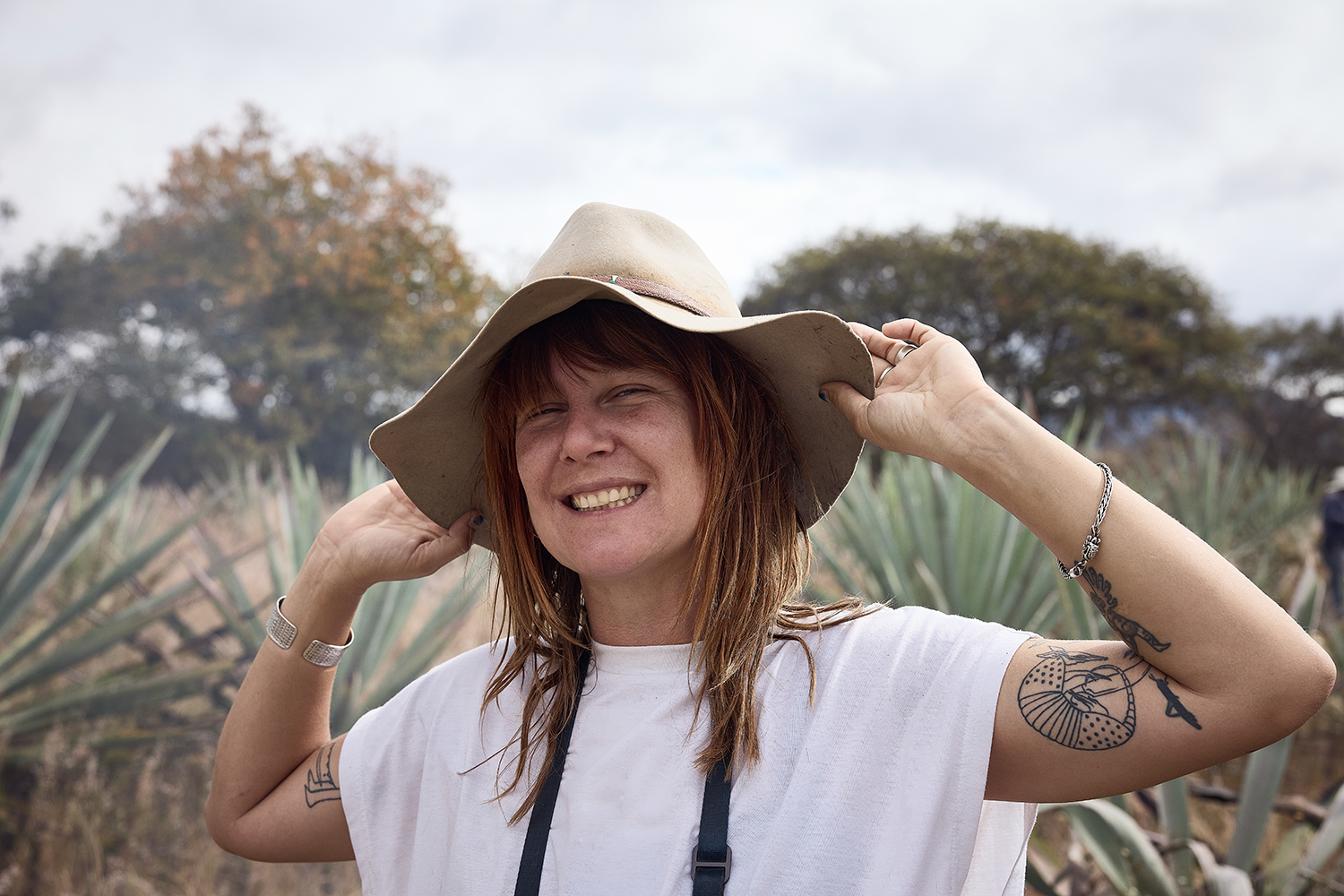
Anna Bruce is an award-winning photojournalist and author of Tequila, Mezcal and More. Since a 2013 media residency with Mexico’s foreign ministry, she has documented the history and production of agave spirits, contributing to various publications and independent projects. She lives in Oaxaca, where she and her partner run Rambling Spirits, offering bespoke experiences with mezcal producers.
If you want to learn more about Anna’s work, you can find her on social media: @ramblingspirits.photos
This article was structured with the assistance of artificial intelligence (ChatGPT). All content is based on human input and editorial oversight. For more details on how PKGD integrates AI responsibly, please refer to our AI Policy.
This article was structured with the assistance of artificial intelligence (ChatGPT). All content is based on human input and editorial oversight. For more details on how PKGD integrates AI responsibly, please refer to our AI Policy.
At PKGD, we continue investing in brand-led storytelling, creating work designed not only to perform, but to build long-term brand equity.

By accessing and using PKGD´s website, you agree to the cookie policy outlined in our privacy notice.
By accessing and using PKGD´s website, you agree to the cookie policy outlined in our privacy notice.

































Leave a reply
Lorem ipsum dolor sit amet, consectetur adipiscing elit. Suspendisse varius enim in eros elementum tristique. Duis cursus, mi quis viverra.
Lorem ipsum dolor sit amet, consectetur adipiscing elit. Suspendisse varius enim in eros elementum tristique. Duis cursus, mi quis viverra.